


Birdwatching is attracting growing interest across the UK, with local wildlife groups providing opportunities for people to discover the natural world and connect with others.
The hobby, which involves observing and identifying different bird species in their natural habitats, has traditionally attracted dedicated enthusiasts. However, its accessibility and the opportunity to spend time outdoors has helped introduce it to a wider audience, with membership numbers going up by 10% in the last year.
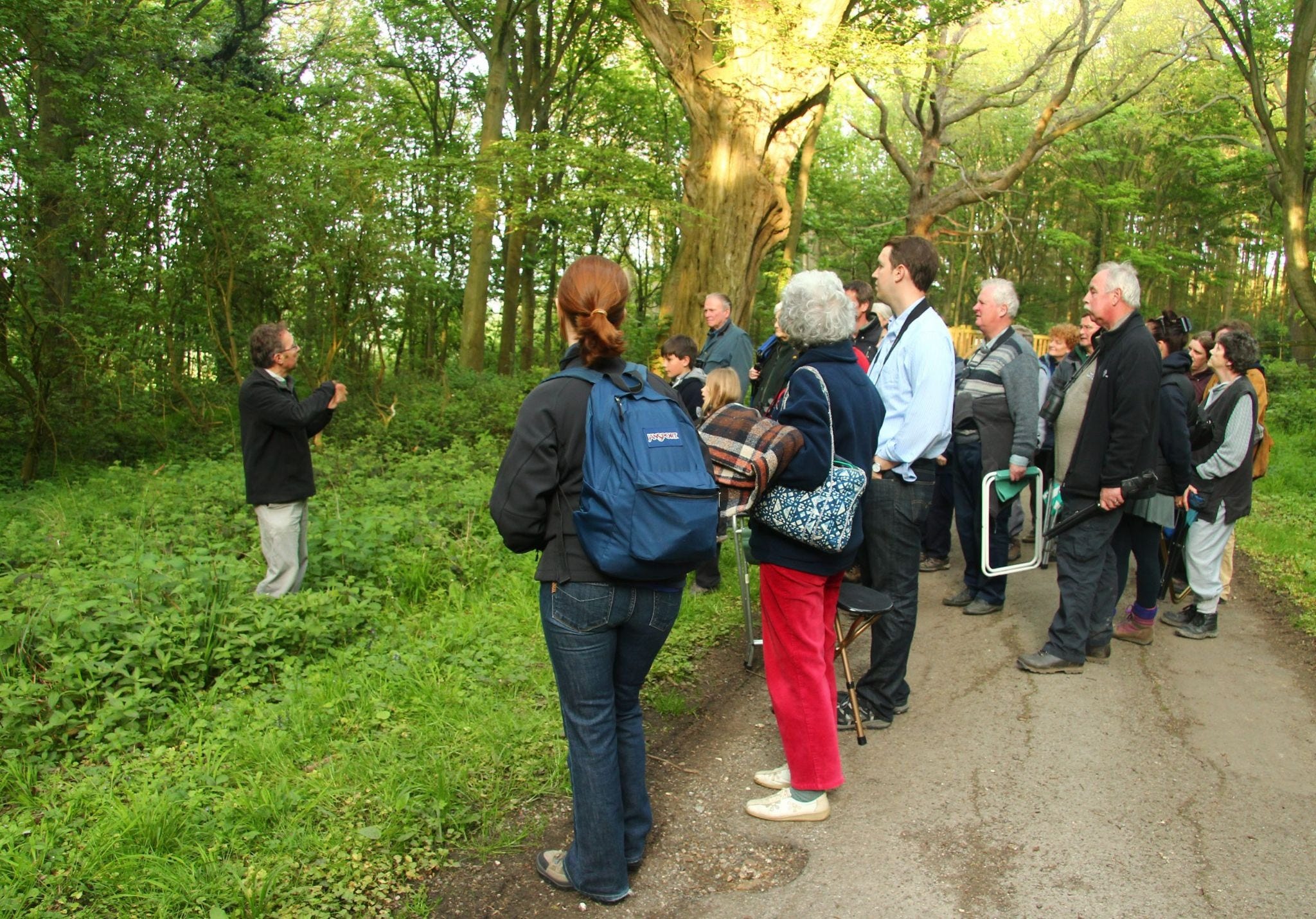
Simon George, a member of Oxford’s RSPB Birdwatching group, believes, ‘One of the challenges is that people are frightened to go and do it because they think they’re going to be with all these people who know so much more than them.’ He insists that this is a misconception and that ‘It’s a real stress buster. You go on a walk, and you get some people that really know their stuff, and other people that know very little, but they just enjoy coming on the walk.’
The group organises a range of activities throughout the year, such as monthly walks, evening talks, wildlife reserve visits, and more. Its members also take part in family days in places such as Oxford’s Natural History Museum, where they ‘set up and talk about birds and how people can get involved.’
The changing seasons play an important role in the hobby, with different species appearing throughout the year.
Migration makes Birdwatching continually changing. Some birds only visit the UK during particular months, while others remain throughout the year. From familiar garden birds to migratory visitors, each season offers birdwatchers something different to look out for.
One species receiving particular attention from the Oxford group is the swift. These migratory birds arrive in the UK during the summer before returning to Africa later in the year. However, changes in building design have reduced the availability of suitable nesting spaces, creating additional challenges for their populations.
Volunteers are helping to address this by monitoring swift nesting sites across Oxford and raising awareness of the importance of providing suitable habitats. Swift bricks, which are incorporated into new buildings to provide nesting spaces, are one way of supporting the species and heavily encouraged by the group.
While more people are taking an interest in wildlife, the birds themselves are facing increasingly serious challenges. Simon explained that ‘There are some scary significant drops in bird populations.’
The increased visibility of wildlife photography and nature-related content on social media has provided new ways for people to engage with the hobby.
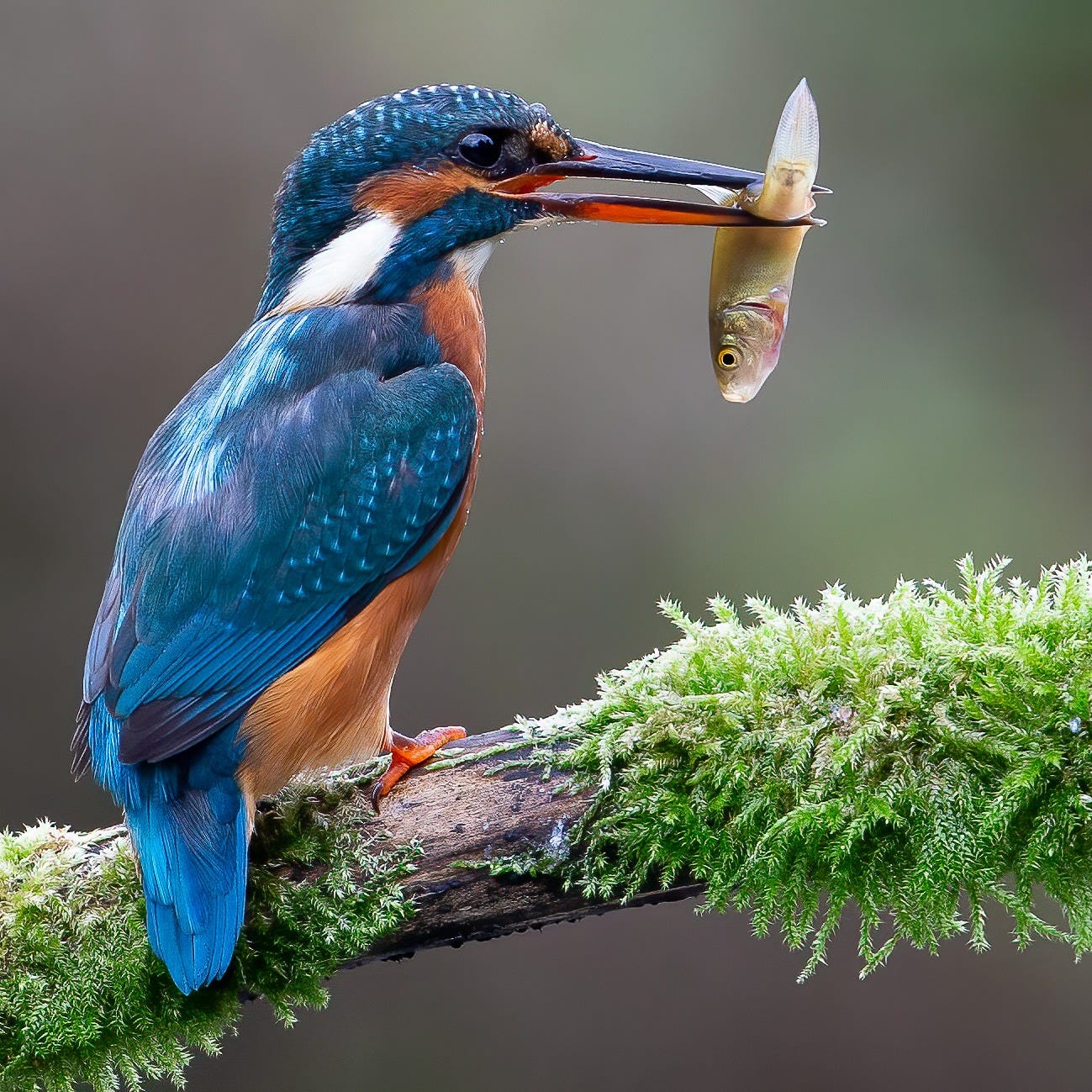
However, expanding the group’s social media presence has proved challenging. Although Simon recognises the potential of platforms such as Instagram and TikTok to attract younger audiences, he explained that sourcing regular content has been difficult. ‘I’ve not managed to get a regular stream of really good pictures,’ he admitted, adding that ‘we’re all volunteers, so that’s the challenge.’
Despite the challenges of attracting younger audiences online, Simon believes there is potential for birdwatching to become increasingly popular. He highlighted the importance of environmental awareness, particularly among younger generations, and suggested that the hobby can help people understand wider issues surrounding climate change and biodiversity.
‘It’s not just about birds,’ he explained, emphasising how observing wildlife can encourage people to think more carefully about the environment and the small changes they can make to protect it.
For Simon, the hobby helps him switch off, ‘When I go out, I put my phone away and I forget about my phone. For a couple of hours, I forget about the world, and I think it’s really helpful.’
Students interested in getting involved can find out more about upcoming activities and how to join the group through its website: https://group.rspb.org.uk/oxford/.