


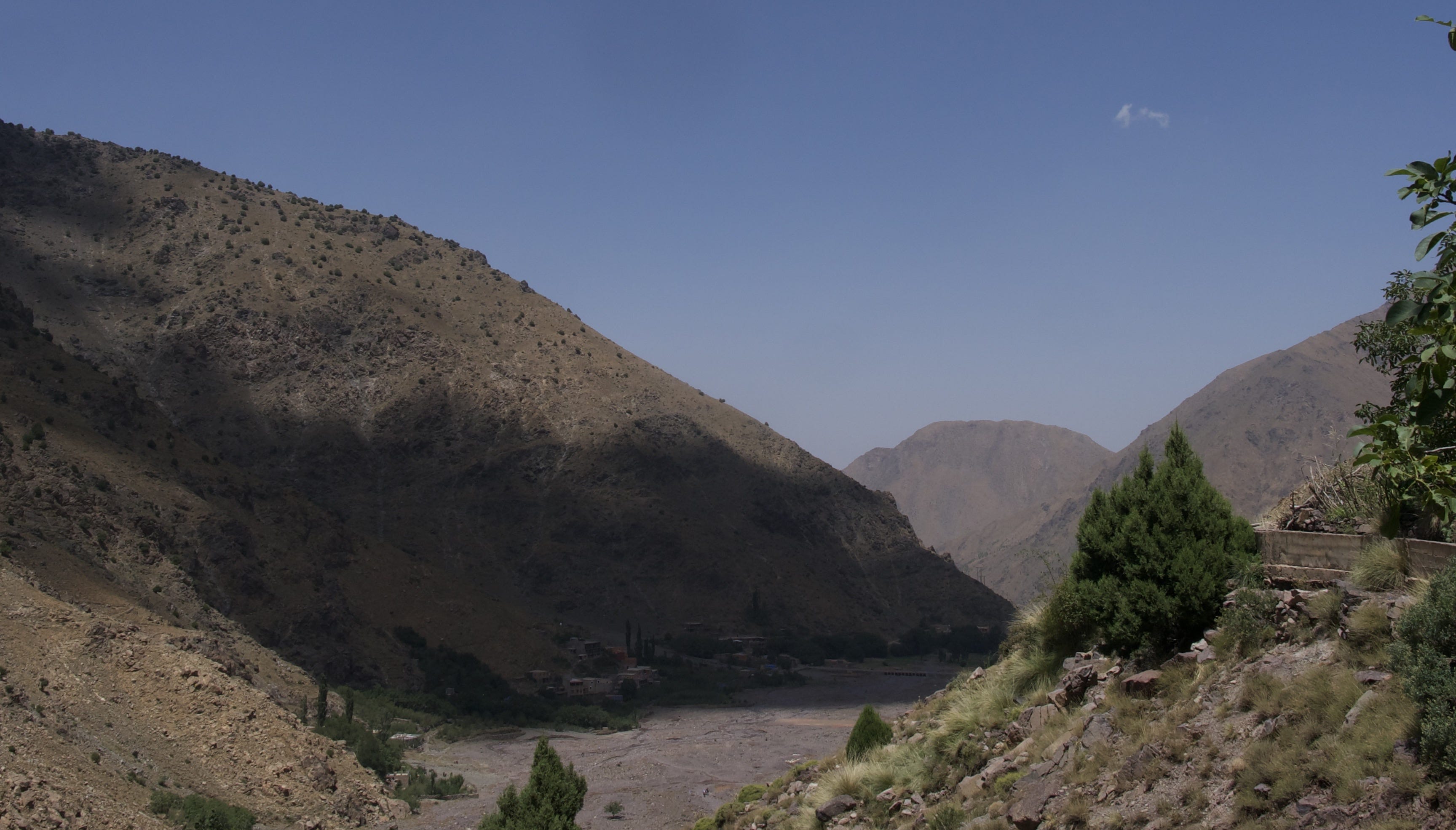
Morocco is known for its rich culture, vibrant Medinas, the Sahara’s desert dunes, and the dramatic scenery of the Atlas Mountains. Escaping from the country’s capital, Marrakech and moving away from the typical tourist hotspots, you enter the untamed landscapes of Morocco.
Located in the heart of the Atlas Mountains, around two hours south of Marrakech, is Toubkal National Park. Situated in the Village of Imlil, this national park offers you a mountainous escape from the bustling city. Imlil is easy to reach from Marrakech; the winding scenic roads unfold into exquisite views of other mountain villages. As you pass through villages, you get a glimpse of Berber culture. The pink and terracotta houses cling to the mountain and are clustered together, surrounded by blossom and fruit trees. As you get closer to Imlil, your views go from terracotta to green as the Atlas Mountains take shape.
The local Berber people live in harmony within the mountain range, known as the free people. This welcoming community is known for its vibrant culture, delicious cuisine, and welcoming hospitality. Imlil is made up of restaurants and guesthouses, run by locals. This authentic experience gives you an insight into their raw culture.
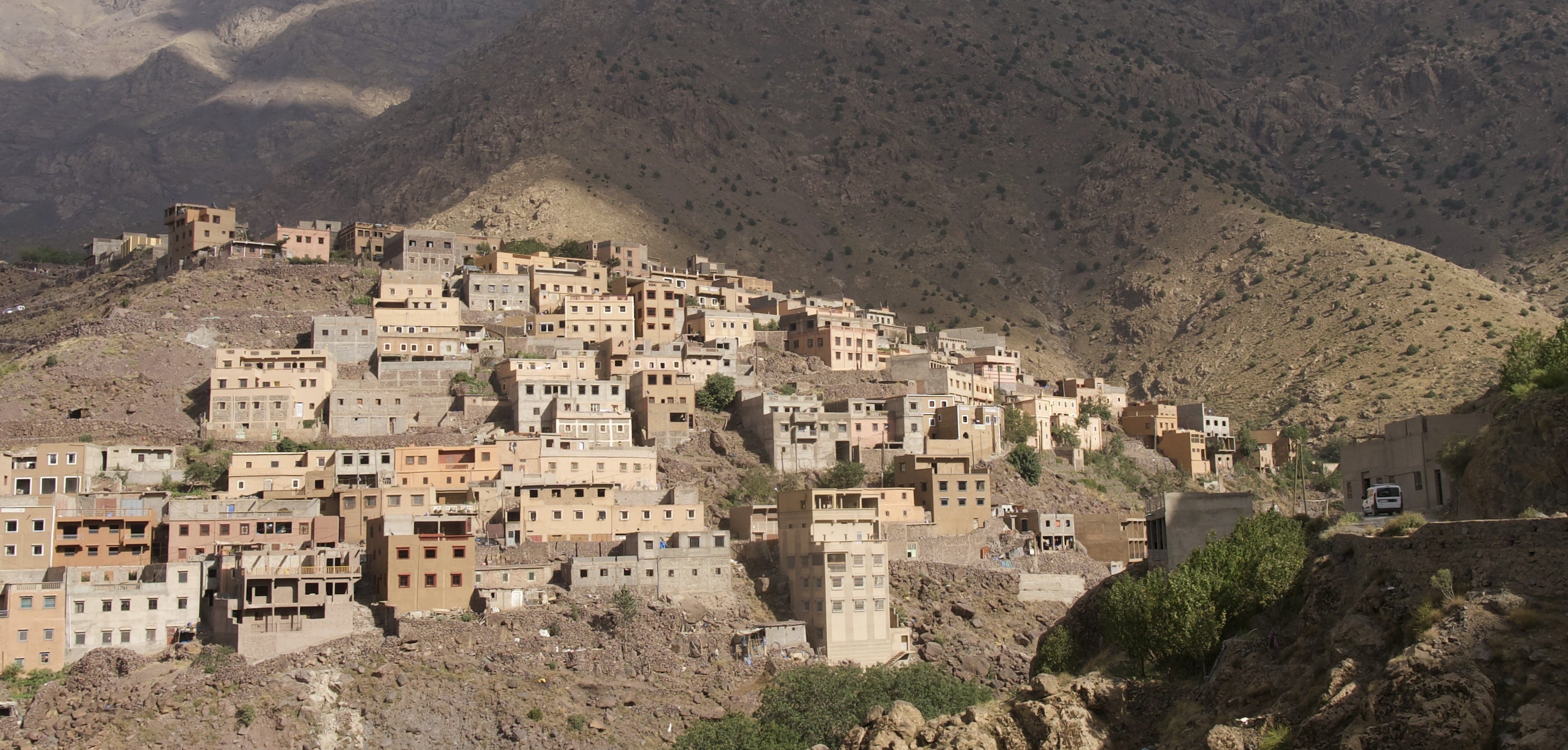
Isolated from the outside world, Imlil is the perfect place to immerse yourself. As nature and culture collide, you will have a diverse experience. With an insight into local rural life, you truly feel disconnected from the mundane. Waking up to a beautiful sunrise over the crisp mountain air, as beams of sun stream down onto the alpine slopes. Make sure you stay somewhere with a balcony to admire this heavenly view; the terracotta homes with flat roofs blend into the surrounding landscape.
There are a plethora of traditional guest houses to stay in to uncover the culture that revolves around its surrounding landscape; these homestay experiences offer far more than a hotel. Although the accommodation is basic, the warmth and welcoming nature of the locals are unmatched, and the traditional food they serve you is delicious, leaving you wanting more. Full of spices and flavour, the national dish Tagine is a combination of meats and vegetables stewed together in traditional terracotta pots. This dish is deeply rooted in Berber culture and is served with crusty Berber bread and couscous.
Although a small town, Imlil is brimming with activities, all revolving around its beautiful landscapes. With a plethora of treks and hikes to go on, you will never get bored. From plunge pools to waterfalls to rushing streams, these nature walks truly capture the surrounding region. The rich green scenery is enough in itself to keep you busy; the surrounding villages are brimming with market stalls with fresh food and handcrafted traditional Moroccan souvenirs. Imlil relies on tourists, which increases employment and incomes; it is a vital part of their economy. The surrounding valleys are rich in agriculture, harvesting walnuts, cherries, apples and various other fruits and nuts, which further contribute to the economy. Though the community is still sustained by the steady flow of travellers, specifically mountain tourism, from guides, to transport, to accommodation, this small town revolves around this incredible mountain range.
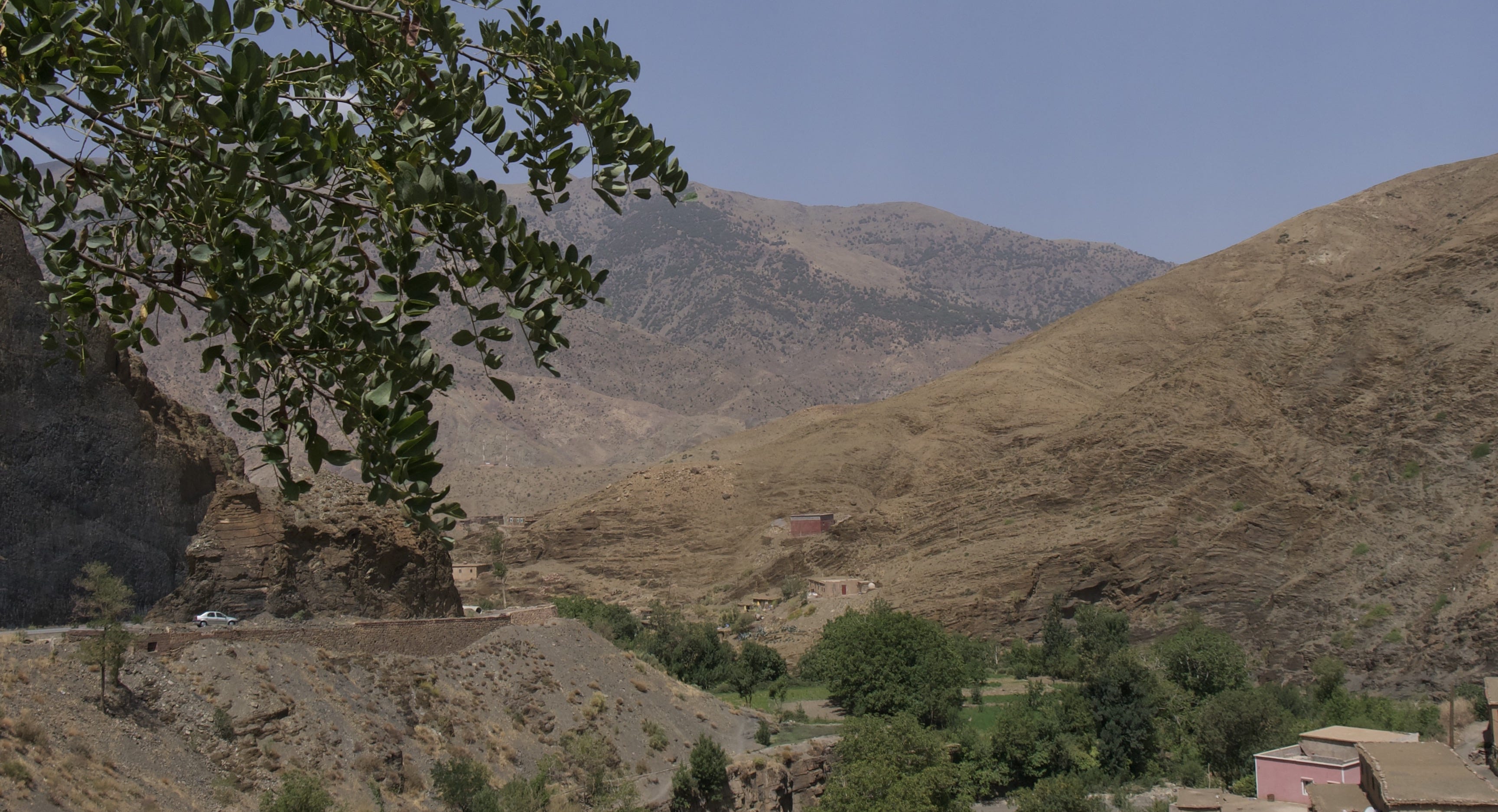
Vatsalya travelled to Morocco in August of 2025 on a group expedition with Intrepid. During her time, she adventured in the Atlas Mountains, immersing in their culture and exploring the surrounding natural landscapes. Going off the beaten path, the group stayed in a local mountain gite in the town of Aroumd. Aroumd is a traditional Berber village neighbouring Imlil and overlooking the incredible mountain range. Living alongside the locals, Vatsalaya shared that;
“Being in the mountains felt like stepping outside the world I knew. Surrounded by nature, practising morning yoga while listening to the river, I felt my body and mind finally slow down and reset. The balance of warm days and crisp nights created a sense of comfort I hadn’t felt in a long time. What stayed with me most were the people — welcoming, present, and truly passionate about living, something city life often makes us forget. The experience reminded me that the essence of life lies in connection, presence, celebrating life, and allowing ourselves the freedom to simply be.”
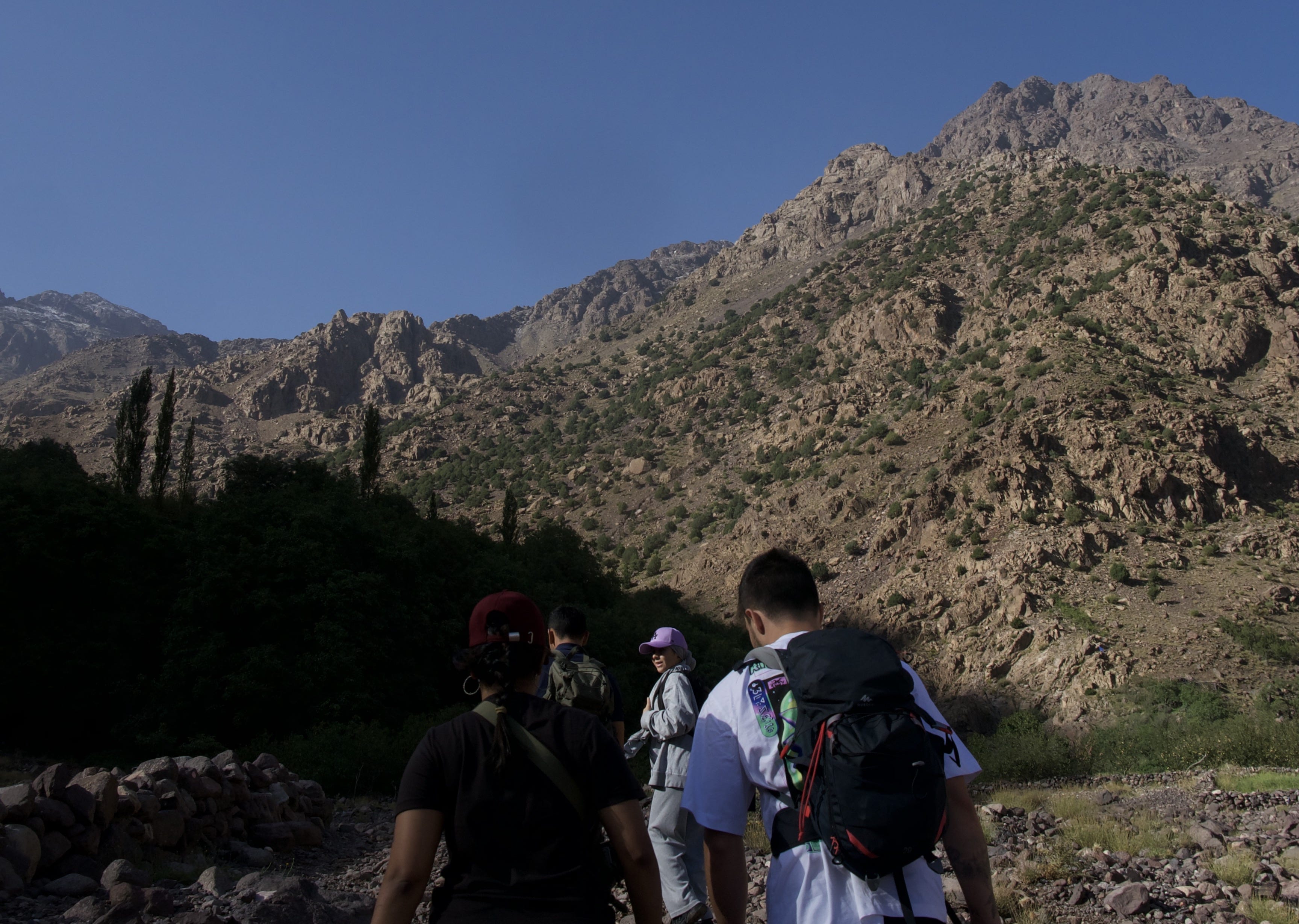
The adventure takes 2-3 days. Mount Toubkal, the highest peak in North Africa, offers panoramic views of the contrasting snowcapped mountains and the Sahara Desert. At 4,167 meters, this hike is more appealing to tourists than other big summits, as it is feasible with determination, good health and fitness, as no mountaineering skills or gear are needed. When hiking, whether it’s to the summit or a day hike, you are legally required to have a guide. This was introduced in 2018 after a fatal incident near Mount Toubkal, involving two tourists. This law was implemented to protect tourists and allow them to hike safely. Do not embark on this journey alone; a guide must accompany you. A guide not only makes your hike safer - with insider knowledge of the weather, the most efficient routes, and the region’s history and culture - but also far more enjoyable. Offering you local insight, a guide will transform this into a meaningful and educational trip whilst keeping you safe. It is required that you bring your passport when entering the national park, so guards can record your details and ensure your guide is licensed for your own safety. If climbing to the summit, there are three checkpoints; on day-trip hikes, you will only encounter the entrance checkpoint.
Spanning 380 Km2, Morocco’s first national park invites travellers to explore its towering peaks, natural springs and its lush valleys. The best time to visit the national park is either April to May, or September to October. During the Autumn, the weather is the most stable, allowing the easiest climb whilst avoiding the unbearable beaming summer heat and the chilling winter conditions. Throughout spring, nature is at its peak, with flowers in full bloom, making this idyllic hike even more enchanting as the landscapes around you flourish. It is recommended to hike in the autumn months due to the most stable conditions, with dry, steady terrain. It is ideal if you wish to reach the summit.
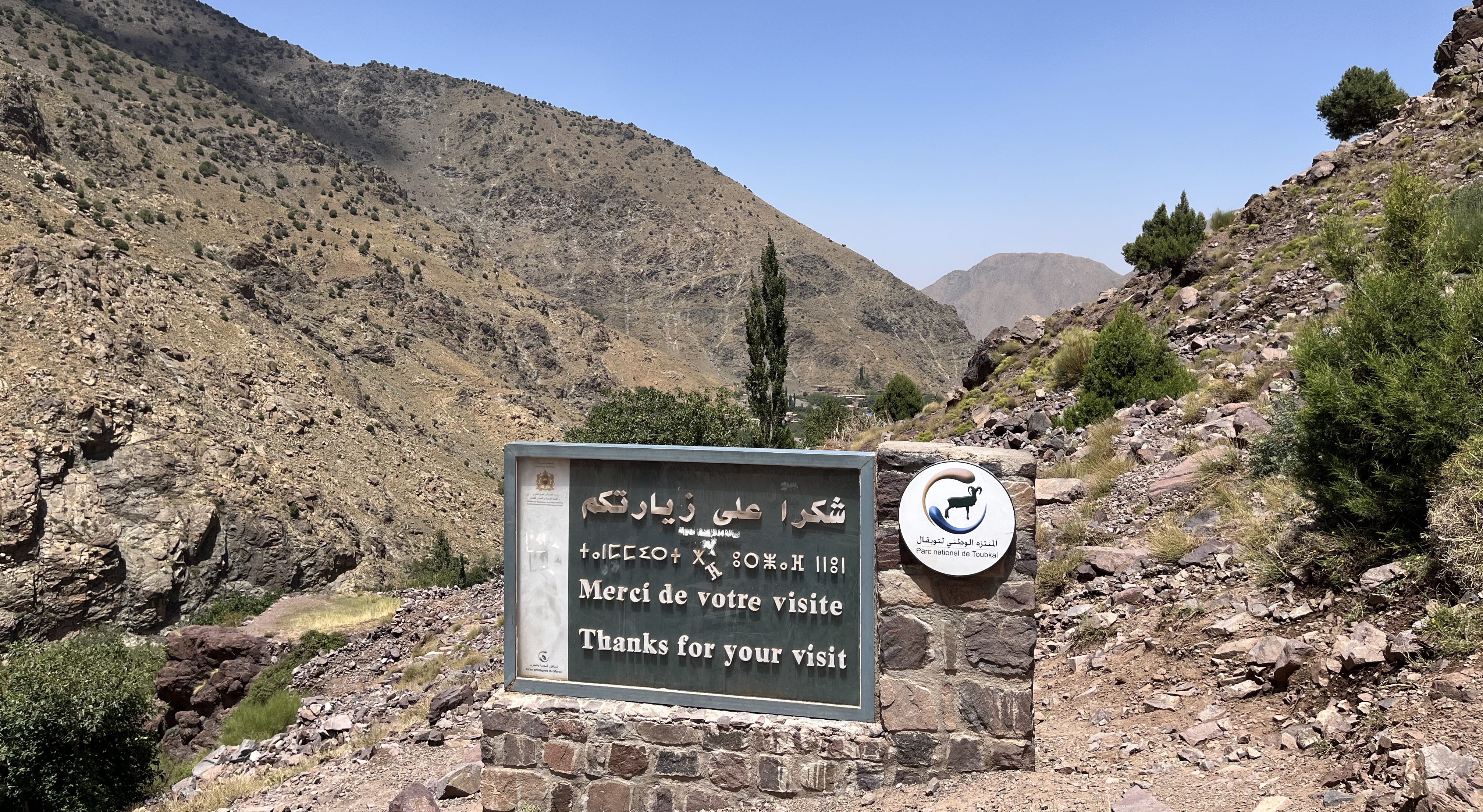
Going on a one-day hike is common, as not everyone is built to reach the summit. There are a plethora of hikes that offer amazing views with a fraction of the time and effort. Going early in the morning is recommended to avoid the blistering sun, allowing you to enjoy a cooler climate on your hike. Starting in Aroumd, you get a breathtaking view of the towering mountainsides brimming with clay-toned houses. Passing Aroumd, you enter the Imlil Valley, walking alongside the small stream, you start your hike up to the national park entrance. After a steep rocky incline, you reach the park entrance. Although there is no official entrance fee, it is mandatory to have an accompanying guide; the cost will vary based on your guide. Ranging from £30 to £40 per day, you get your money’s worth. After having your passport checked, you are free to adventure through the Atlas Mountains.
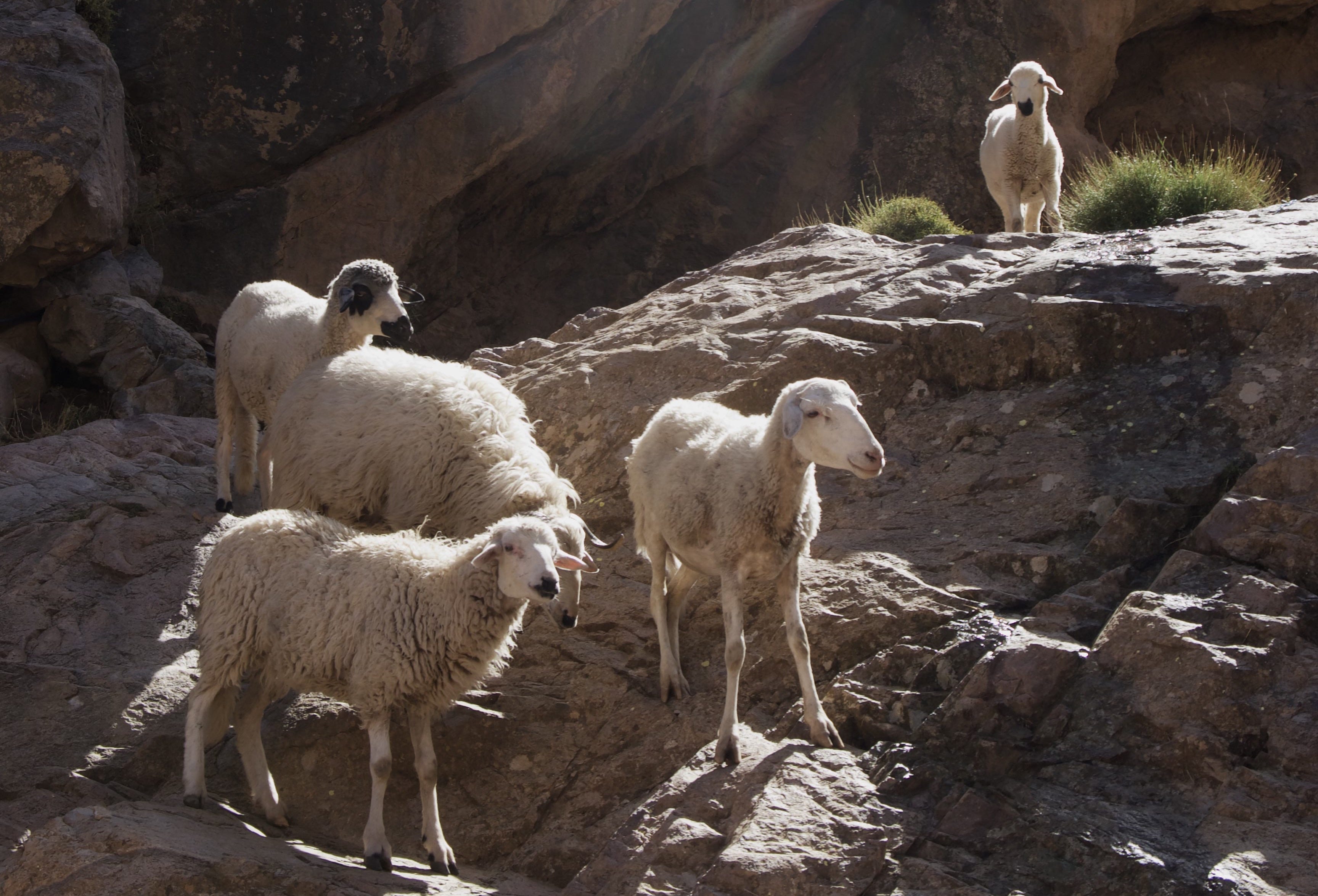
As you continue to climb, you will be passed by mules, donkeys and locals that are making their way to smaller Berber villages located on mountains. The terrain is sparse and varied, with lush green patches contrasting with dry, crumbling boulders clinging to the mountainside. The higher you climb, the better the views. At the deepest part of the valley, a stream flows. As the snowcaps melt, the water flows down the slopes and down the mountain. With plunge pools and waterfalls in various areas of the mountain range, these hidden gems are heavenly. Continuing to climb, you pass wild sheep perched on the grassy slopes. These simple views are spectacular, offering a raw, untouched view of the earth.
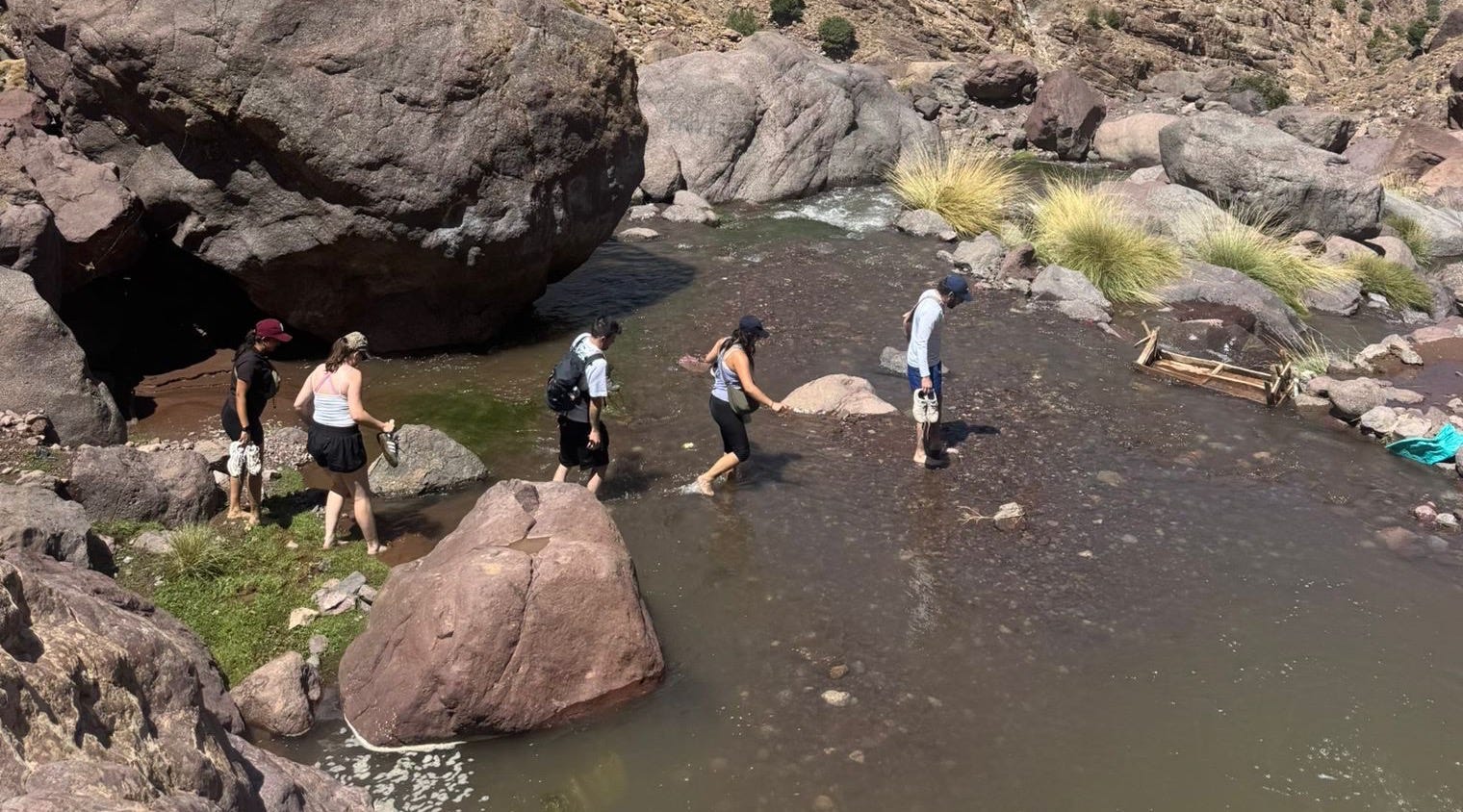
A common place to stop is Chaharouch Springs. This waterfall is located in Sidi Chamharouch, a village known as a pilgrimage site for healing. This is a key rest stop on a hike. With a limited number of restaurants and cafes around the springs, it is recommended to bring a packed lunch, as food is not guaranteed along the route. Cool off in the stream and take a refreshing dip in the springs’ plunge pool. Although cold, you will dry off in the warmth of the Moroccan sun.
This six-hour moderate hike offers you a taste of the Atlas Mountains. The untouched beauty of Toubkal National Park is idyllic; this surreal, authentic experience is unforgettable. At 2330 meters, you are presented with breathtaking views; surrounded by nature, your senses come alive. The chirping birds fill your ears as they circle the mountains, and the beaming sun kisses your skin as you start your trek down. This is the perfect way to spend your day in Morocco and an adventure you will never forget.
Whilst the sun is at its peak, take a nap to recharge after your long hike. Do some yoga outside and reconnect with nature. This peaceful valley is the perfect place to unwind. Sitting outside and appreciating the view feels like an attraction within itself. As time passes and the sun sets, the rugged peaks are illuminated. Golden hues flood the sky as it transforms into a natural work of art, like something out of a painting; this scenery, this unforgettable ending to the day, is picture-perfect.
These dramatic landscapes leave you feeling calm and connected to nature. Disconnected from the outside world, you can fully immerse yourself in Imlil. Their natural beauty shines over tourist hotspots and makes you appreciate the quiet stillness of the Atlas Mountains. As you settle into the local rhythm of Imlil, you are culturally immersed in the Berber villages and their simple mountain life. Although you came for the scenery, it’s the warmth and hospitality of the locals that make you want to stay. This authentic experience is unforgettable and truly touches the soul. As you return to the city chaos, the peace of the mountains lingers as a distant memory.