


A delegation from the Nagas, Indian tribe from North East India, are now returning the remains of about 39 people to their homeland.
The remains were brought to Oxford between 1910 and 1940. Most were collected by two colonial administrators who were anthropologists.
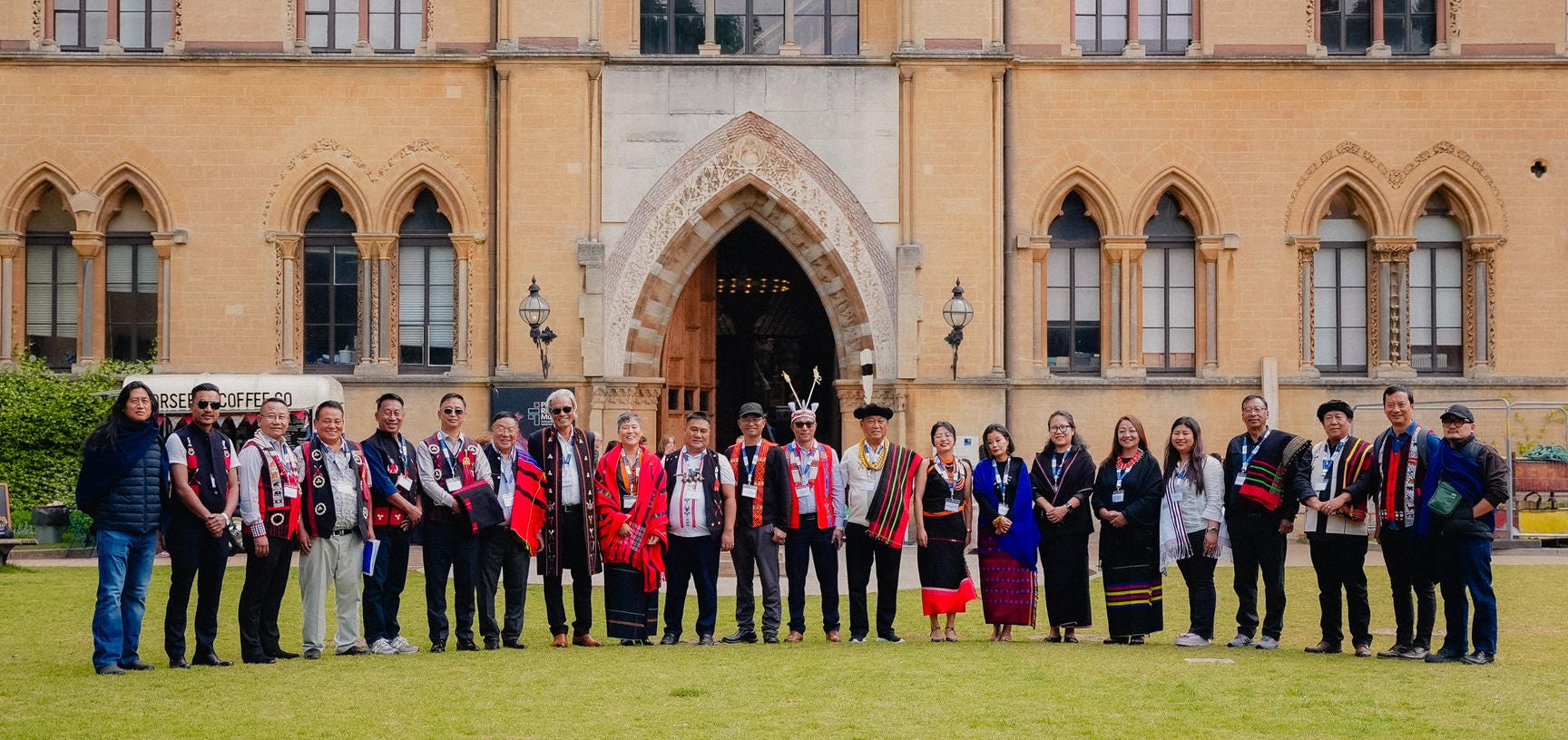
The Pitt Rivers, an ethnographic museum founded in the 19th century, has already handed remains to Indigenous communities in US, Australia, New Zealand and now India. The handover at the Pitt Rivers Museum came as part of a trend among Western museums reassessing how they acquired exhibits from other cultures.
The Oxford museum has more than 6,000 objects of Naga culture, the largest collection in the whole world. The museum’s director, Laura Van Brookhaven, hailed it as “a historic moment that will be a part of stories told to next generations” in a speech as both sides signed a formal agreement on the handover.
Almost 30 people from the community based in northeastern Nagaland, a mountainous state bordering Myanmar, travelled to Britain for the ceremony. The remains were already “on their way to Heathrow” airport, the museum director said, after overcoming “so much red tape everywhere”.
Naga tribal leaders united for the handover and planned to bury the remains together under a joint memorial park. “We shall put them to respectful rest”, one of the tribal leaders, Thejao Vihienuo, told to press. The 73-year-old, draped in a traditional shawl, also visited with other Nagas last year as part of the process.
George Kwaider, Duty officer at the Pitt Rivers said that he had recently met two scholars from Nagaland-India and that they had though that “people look at a display of artefacts with a sign of racism or an inhuman acts done by the British”. However, they were delighted to know about how British museums returning the some remains or artefacts to India.
Mr Kwuaider added that, social media has taken over a world in a such way that there is a no need of many artefacts at museums. People can witness cultural revolutions sitting at home.