


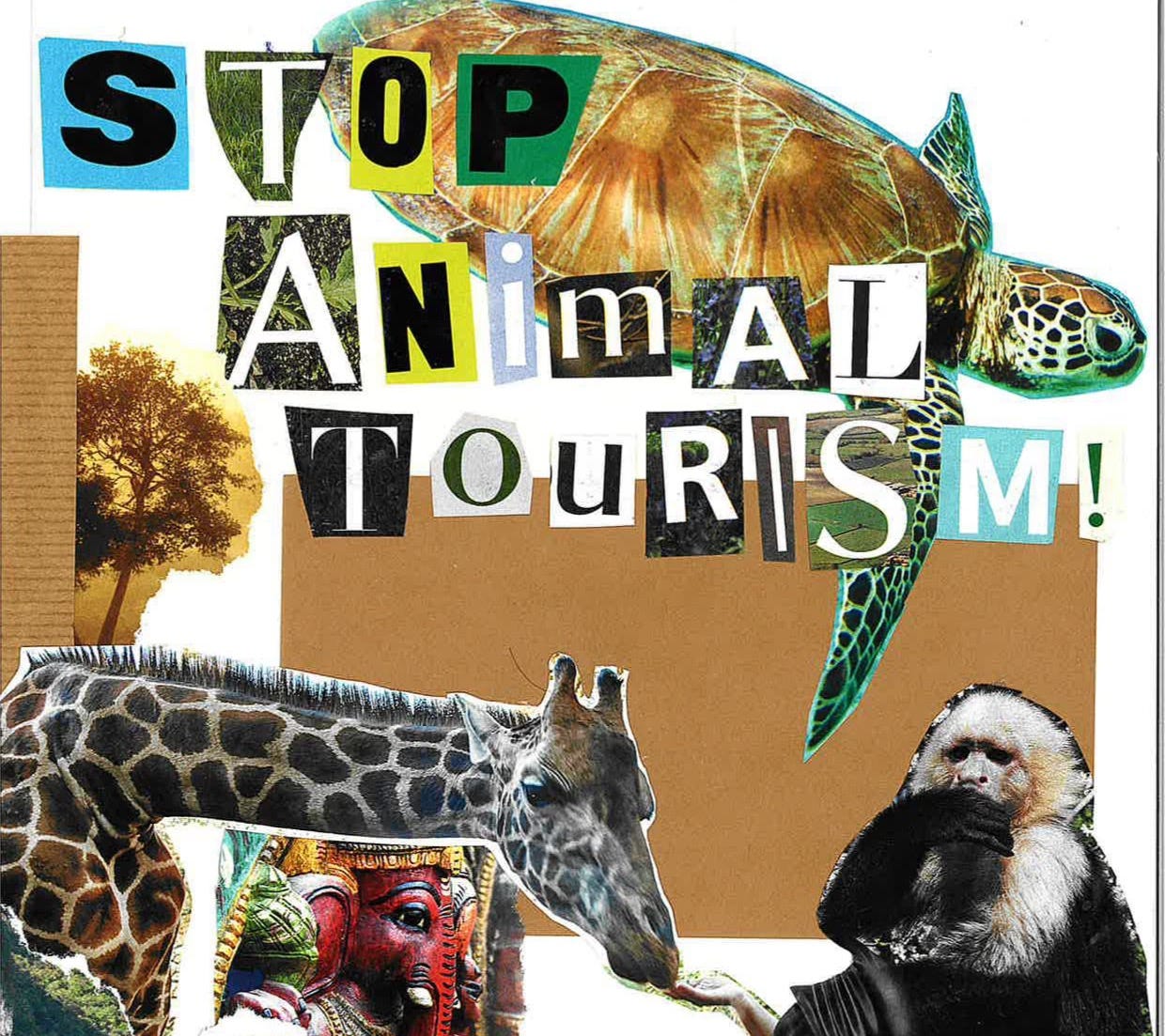
From Gladiators to hunting to animal shows, animals have been used for human entertainment for thousands of years. In 2026, it’s estimated there are over 10,000 zoos and aquariums worldwide, holding millions of wild animals in captivity for public entertainment and commercial exploitation.
Animal activists and members of the Oxfordshire Coalition of Animal Advocacy, Tobias Brown and Linda Newbery, share their insights on these damaging tourist traps and how the public can advocate against this unethical entertainment. Student marine biologist Phoebe Maxwell-Heron raises awareness about the alarming conditions in which sea creatures are kept.
The first zoo was established in Vienna, Austria, in 1714, and as the tourism sector grew, the number of animals held in captivity increased. Animal tourism grew in popularity between the 1800s and 1900s as travel became more accessible. Tourists flocked to Africa to see the big five in action, from game rides to safaris to mammal hunting, animal freedom was sacrificed for public entertainment.
Portable entertainment
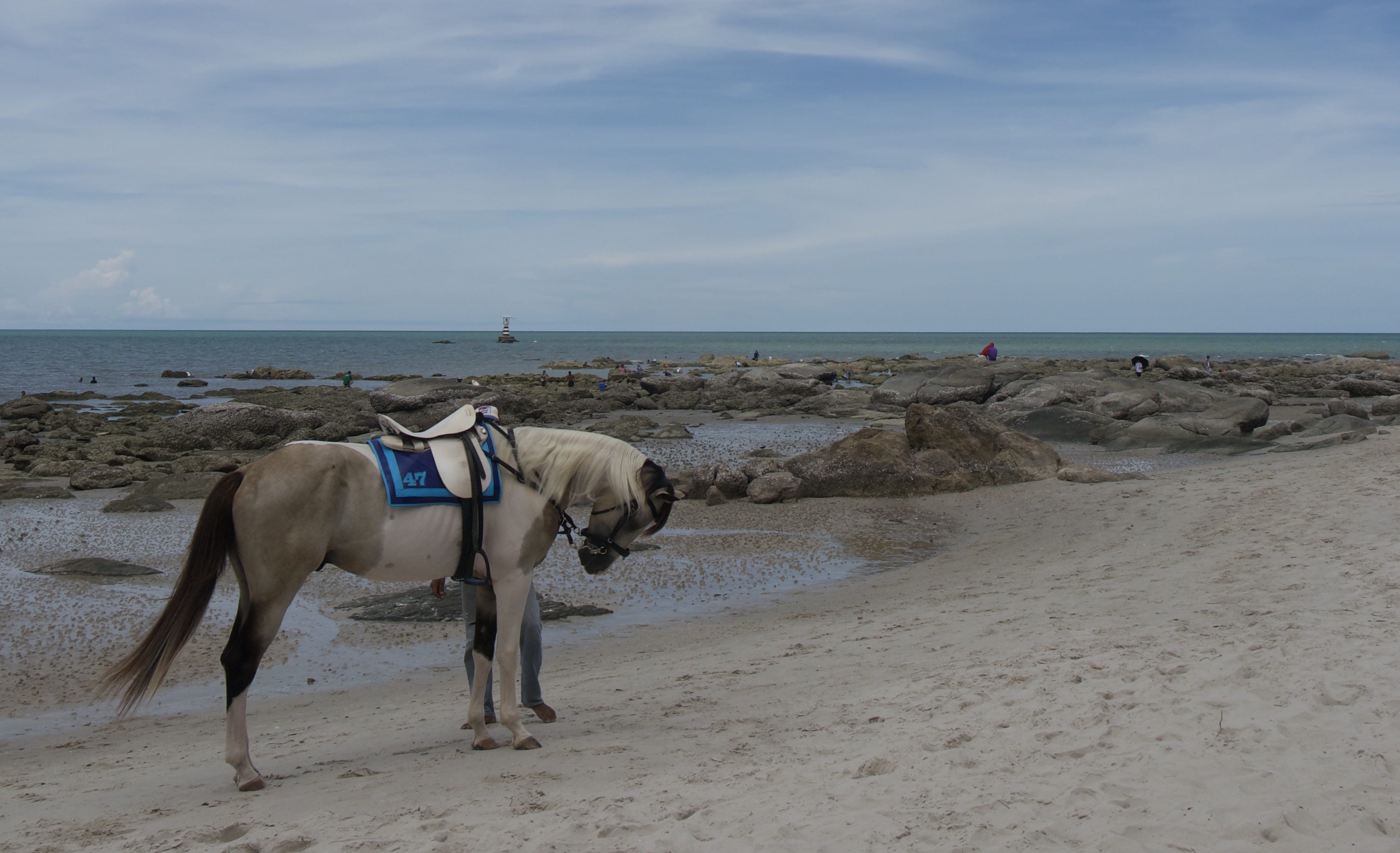
Tobias Brown, a member of Oxfordshire Coalition of Animal advocates and ally to many NGO’s, groups and individual charities, is doing what he can to fight for animal rights. When asked about animal tourism, Tobias shared that he used to live in Greece and saw horse and cart rides regularly. “A really romantic thing for people, but for the horses - it’s 40 degrees, and they’re often standing there in the heat waiting for people. It’s awful to see, and they sometimes collapse.”
Tobias adds that tourist traps like “ elephant rides, whale watching and safaris […] have positives and negatives […] damaging for the animals, supposedly positive for the humans. Tourists are the ones who are paying for it, and therefore they have a demand for it.”
Thailand is a hotspot for animal cruelty, from elephant rides to performances, and most tourists are unaware of the abuse the animals face behind the curtain. From chains and shackles to whipping and beating, they receive relentless abuse. On stages, pedestals or simply in their enclosures, they face a lifetime of exploitation.
From land to sea, animals cannot escape the abuse of the human race’s entitlement to entertainment. The animal kingdom is confined and dwindling. Thousands of endangered species are dying each year in zoos, although claiming to protect them, zoos seem to be failing the animals.
Tobias explains that “when people go to aquariums to see the killer whales or the dolphins or the seals doing their little tricks, they don’t even consider the animals”. This reinforces the fact that ignorance is killing animals too; public action is needed to protect animals’ futures.
Take action
When asked about what obstacles we face in stopping animal tourism, Tobias said: “The biggest obstacle is entitlement, human entitlement… [is] the biggest drive when it comes to tourism and animal tourism”
Another problem Tobias highlighted was: “ignorance and education… and ignorance not in a negative way, just ignorance with regards to the information out there.” Online misinformation is damaging to animals, with tourist traps posing as ethical establishments and animal sanctuaries. Tourists are led to believe that what they are doing is okay.
Tobias shared that by: “abstaining from doing things is actually really powerful, I think we have more influence than we think […] So talking about one’s beliefs openly is a really powerful thing.”
Spreading awareness is a way that members of the public can advocate for animals, along with signing petitions and educating others on pressing matters. Being conscious of what is going on throughout animal tourism is the first step to helping abolish it.
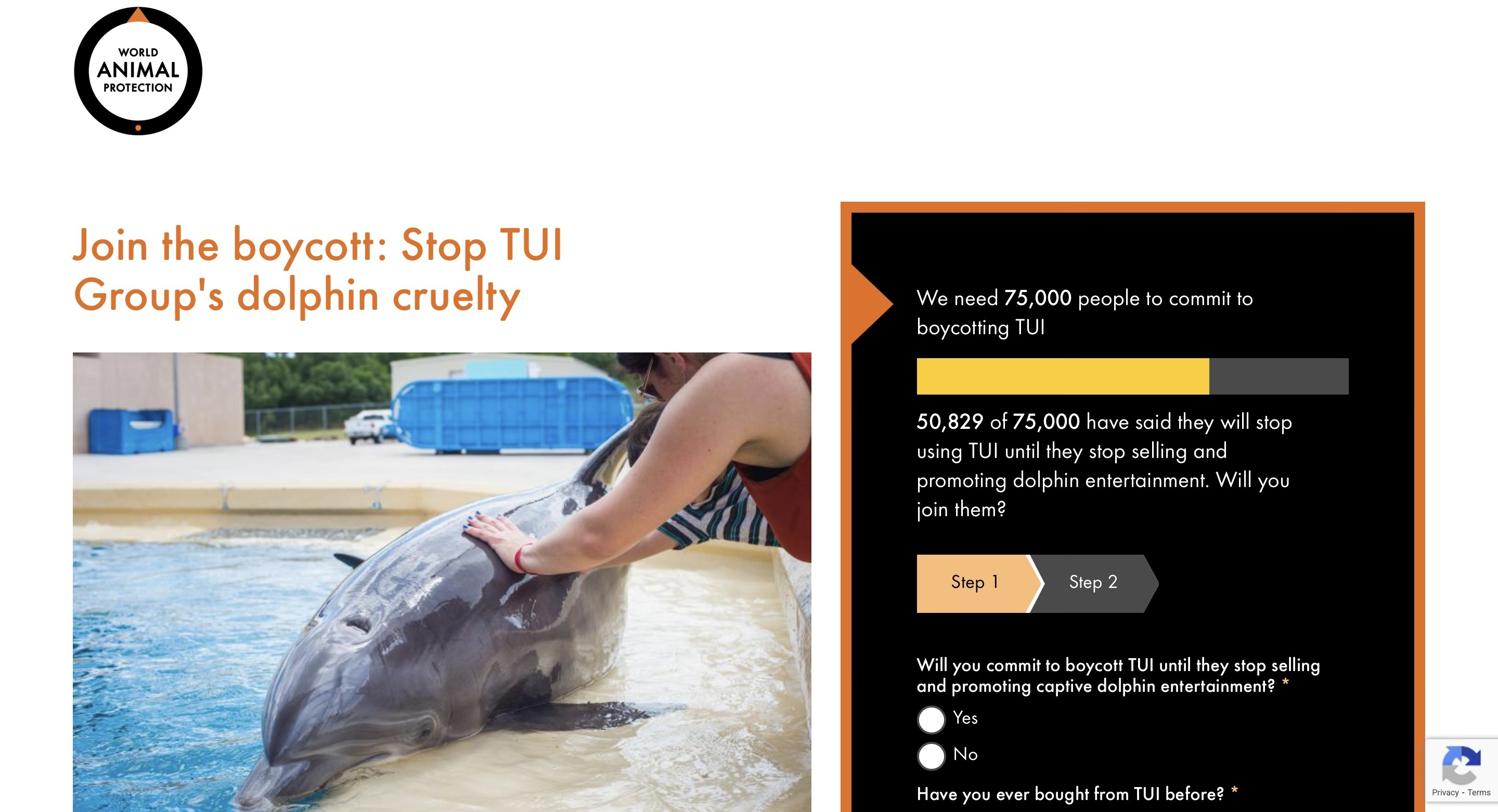
Boycotting companies that are still promoting forced animal entertainment further supports this cause by stopping the demand, as the supply will disperse. World Animal Protection has created a petition to stop TUI Group’s dolphin cruelty. Sign this petition to free the animals and stop the misery.
PETA UK
Linda Newbery, an animal activist and member of Oxfordshire Coalition of Animal Advocates, said: “PETA has proved to be quite effective in campaigning against Sea World […] the list of companies that have now pledged not to promote this is growing […] I think people have become more aware that it is very harmful to those animals”
In March 2026, PETA UK went to parliament with other animal protection groups to fully implement the 2023 Animals (Low Welfare activities abroad) Act, but UK companies like TUI are still promoting.
PETA is currently “calling on TUI to join every other major travel provider in the UK and stop selling tickets to marine parks, which cram orcas and other dolphins into tiny tanks in the name of ‘entertainment’.”
“They do nothing but swim in circles and fend off attacks from their stressed tank mates”. With over 500,000 PETA entities around the world urging TUI to stop profiting from animal cruelty.
Tanked Lives
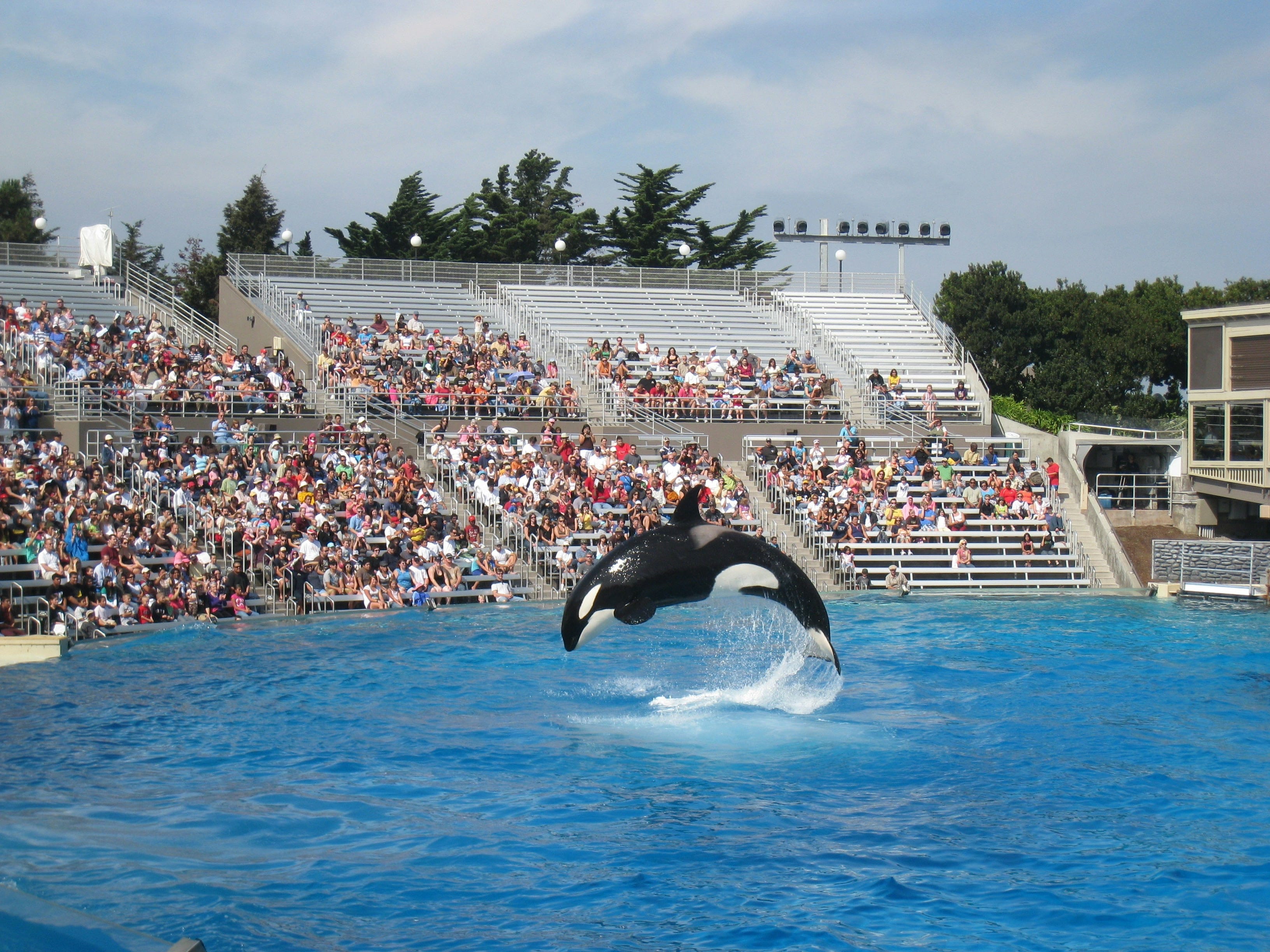
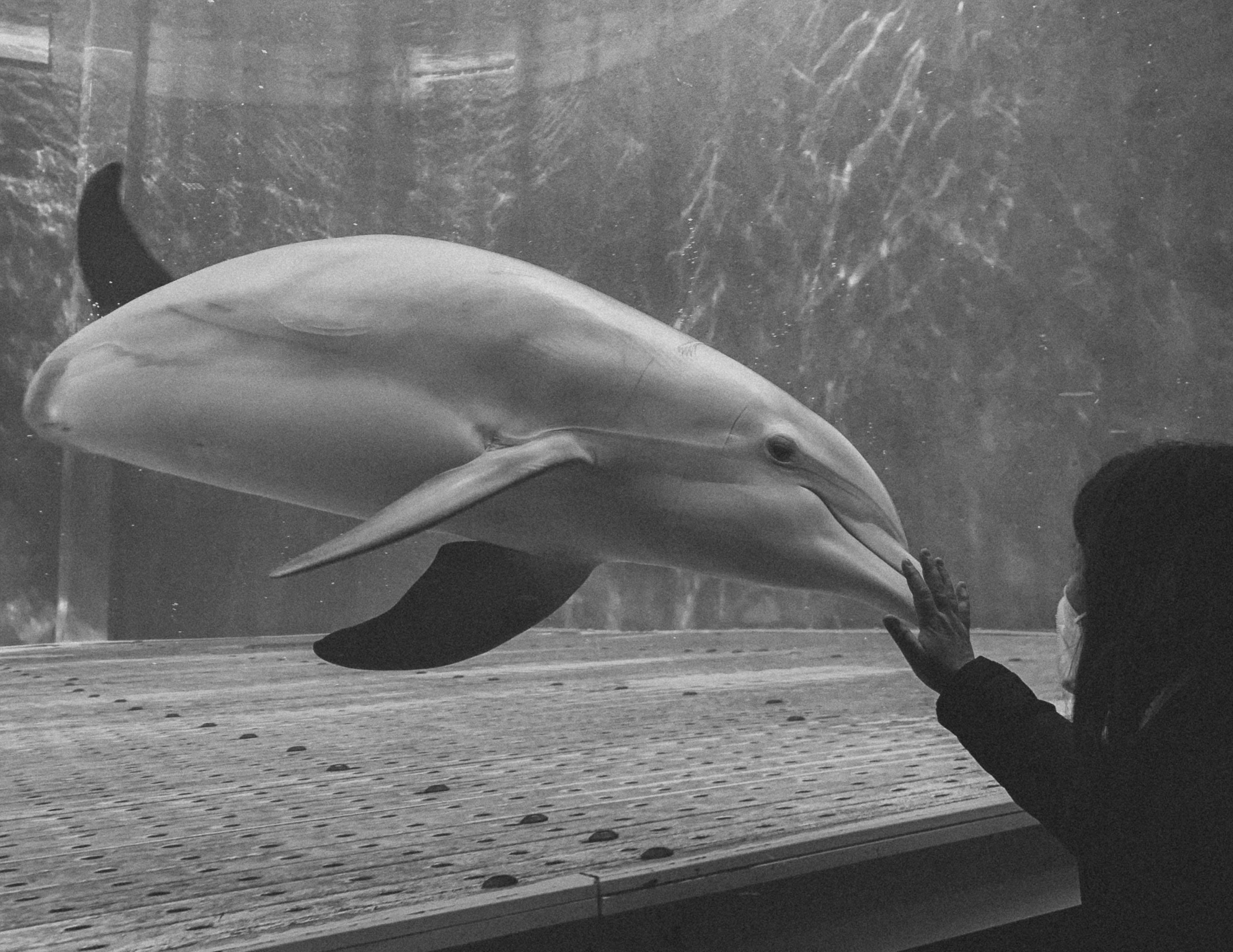
Over 40 orcas have died at SeaWorld, caused by their harsh living conditions. Imprisoned by glass walls, these captive sea creatures develop health problems from being forced to entertain. If not physical abuse, the confined spaces cause psychological distress.
Robbed of real life, Duncan the Dolphin died at SeaWorld at just 16 years old. From tank to tank, Duncan was transported half a dozen times to perform across various parks. Dying of chronic pneumonia, death set him free from the years of abuse, confinement and exploitation.
Student marine biologist Phoebe Maxwell-Heron shares the damaging effects aquariums and marine attractions have on sea life. She said: “They massively alter natural behaviour. Things like feeding, migration, and social interactions just aren’t the same in captivity.”
“The limited space, artificial environments, and stress can lead to poor health or abnormal behaviours. Captive cetaceans, especially orcas’ social structures and spatial needs, are so complex that captivity just doesn’t replicate anything close to their natural environment.”
To find out more about abusive, unethical marine parks, read: The cruel captivity of cetaceans by Daniela Hernandez.
This Author
Giorgia Tambascia is a student journalist passionate about animal rights and wildlife preservation.