


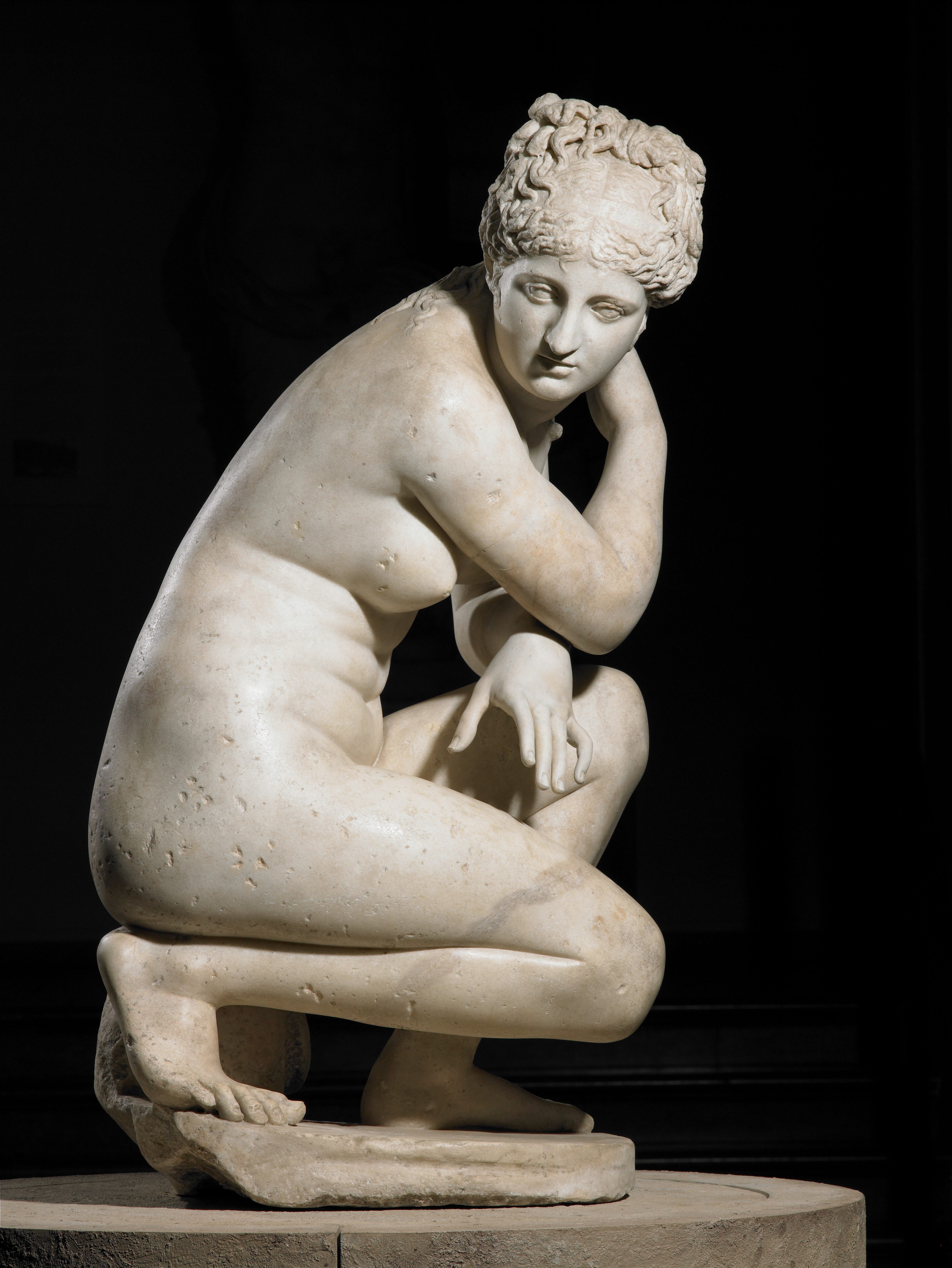
Aphrodite: The Making of a Goddess, is a newly opened exhibit at the Ashmolean Museum exploring the Goddess of love, beauty and desire.
Despite being associated with beauty and desire, Aphrodite, in Cyprus, was widely worshipped as a goddess of nature, vegetation and agriculture. And she was represented visually with a type of vegetal crown.
Also commonly known as Venus by the Romans, Aphrodite is explored far more deeply than ever in this exhibit. Exploring her origins in Cyprus, the island where she first emerged and was encountered by visitors and immigrants from the Greek Aegean.
Aphrodite took inspiration from goddesses from neighbouring countries such as Egypt and Turkey, which led to the making of the goddess we all know today, and the exhibit presents that through artefacts from said countries like Egypt showcasing how different cultures visualise their deities.
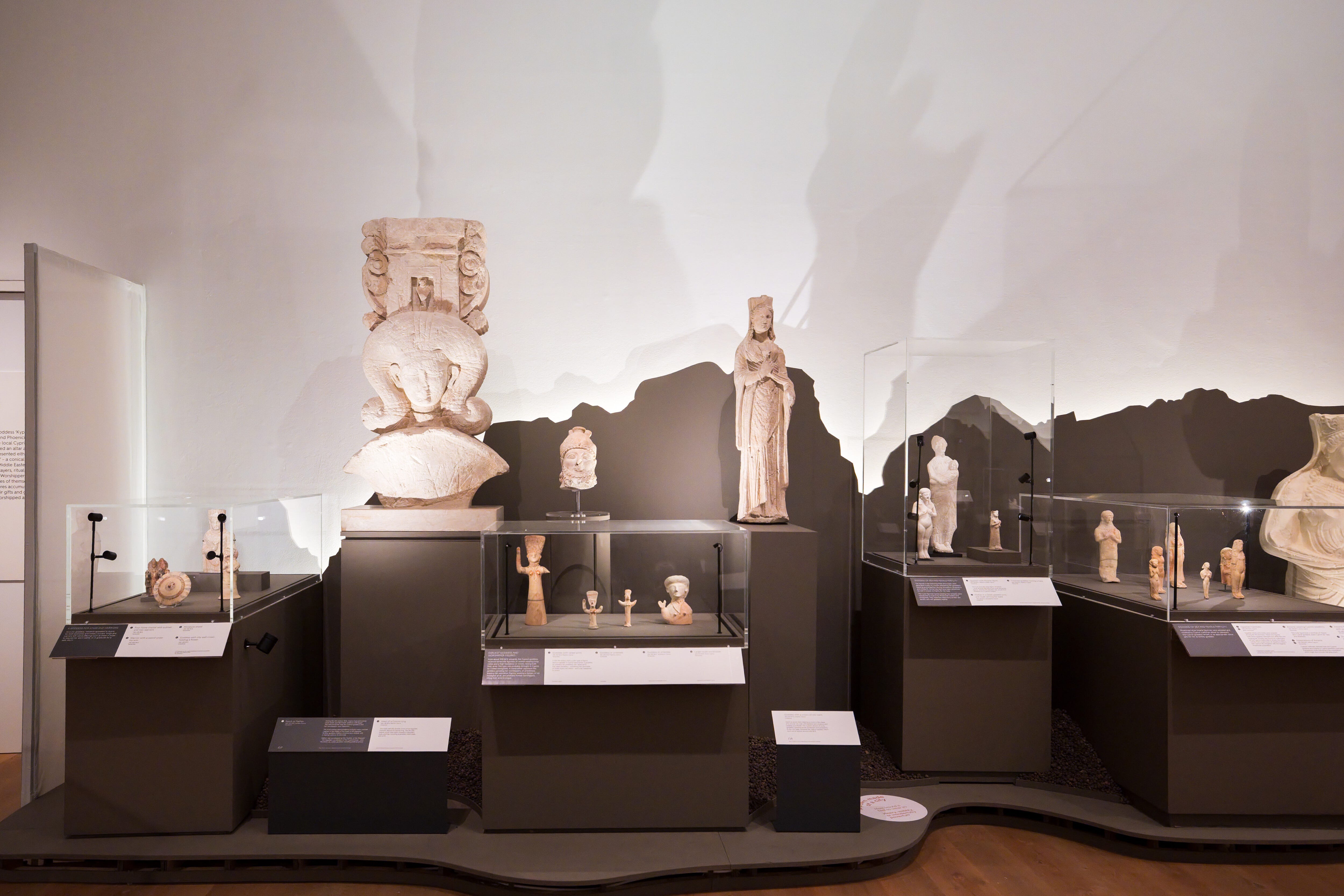
The exhibit itself has an incredible variety of pieces on loan from multiple museums and private collections, making it another incredibly and increasingly popular exhibit currently at the Ashmolean.
Dr Anja Ulbrich, the curator and a leading expert on Cypriot Archaeology and female deities of Cyprus has expressed that this exhibit is “to tell the remarkable story of how a goddess worshipped in ancient Cyprus became one of the most enduring and recognisable figures in human history.”

For the fashion community, on display is a beautiful dress designed by Jonathan Anderson called the ‘Hand Motif’ dress for Loewe that famously references the Pudica pose. The exhibit also displays photos of Beyoncé wearing her own version of the dress designs also by Anderson.
Being able to experience beautiful jewellery, vases, sculptures and paintings such as Botticelli’s Venus (c.1490), is a reason worth any to learn about how Aphrodite is more than a symbol of beauty and desire, but of war and military protection, seafaring and safe voyages as well.
Currently at the Ashmolean, the exhibit has been open from the 8th of October and will be open until the 11th of April of 2027. Tickets are available at the museum or online for £8.10 - £18.