


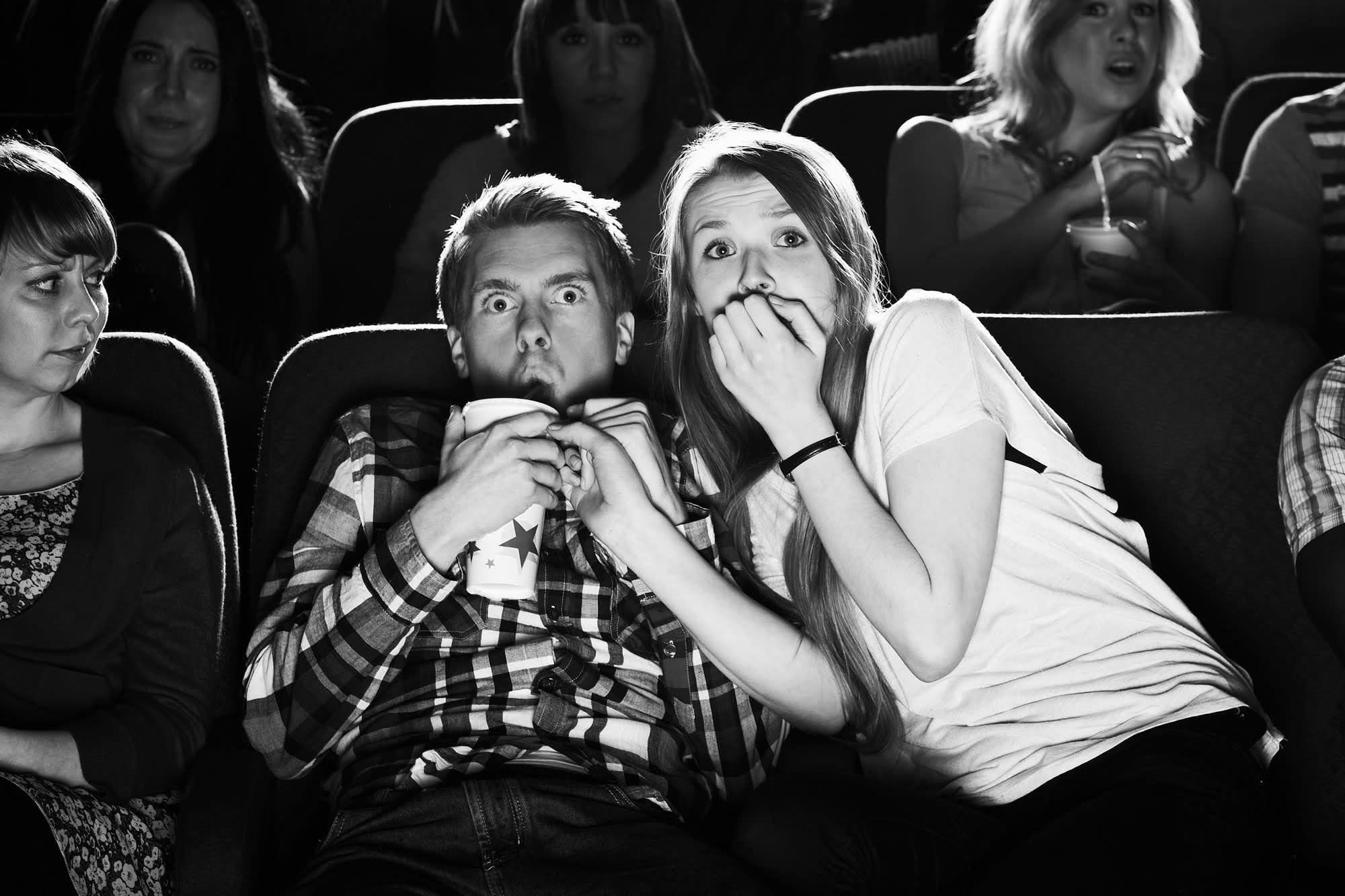
Source: CNBC
Over the past couple of years the idea that horror films are finally having their moment has become an inescapable notion across the film industry. Despite being one of the earlier genres adopted into film, horror has often been considered to be low-brow entertainment. Be it the beaten dead horse of iconic horror mascots in the 80’s and 90’s which somehow continue to be rebooted, Halloween 37 coming to a cinema near you this October, or the surplus of no-budget, spooky slop across streaming services: Horror films haven’t always had the best reputation. Although, across this past decade the narrative of horror has begun to shift. Original, stand-alone horror has returned to cinemas and has shocked audiences, not with cheap scares, but with genuine quality. From Jordan Peele’s disconnected trilogy of success to the campy rise of Zach Cregger with Barbarian and Weapons, horror may finally be having its moment. But why now, what specifically has changed within the genre to earn this recent praise?
Created by Julian Cowley using data published by The Numbers and Oscar result articles published by BBC News
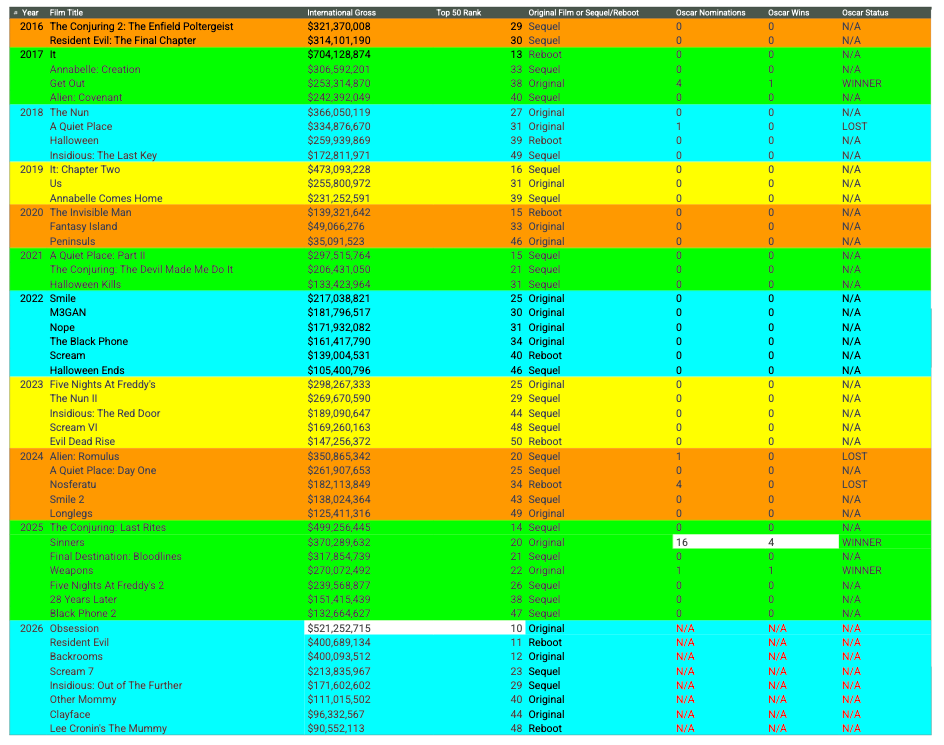
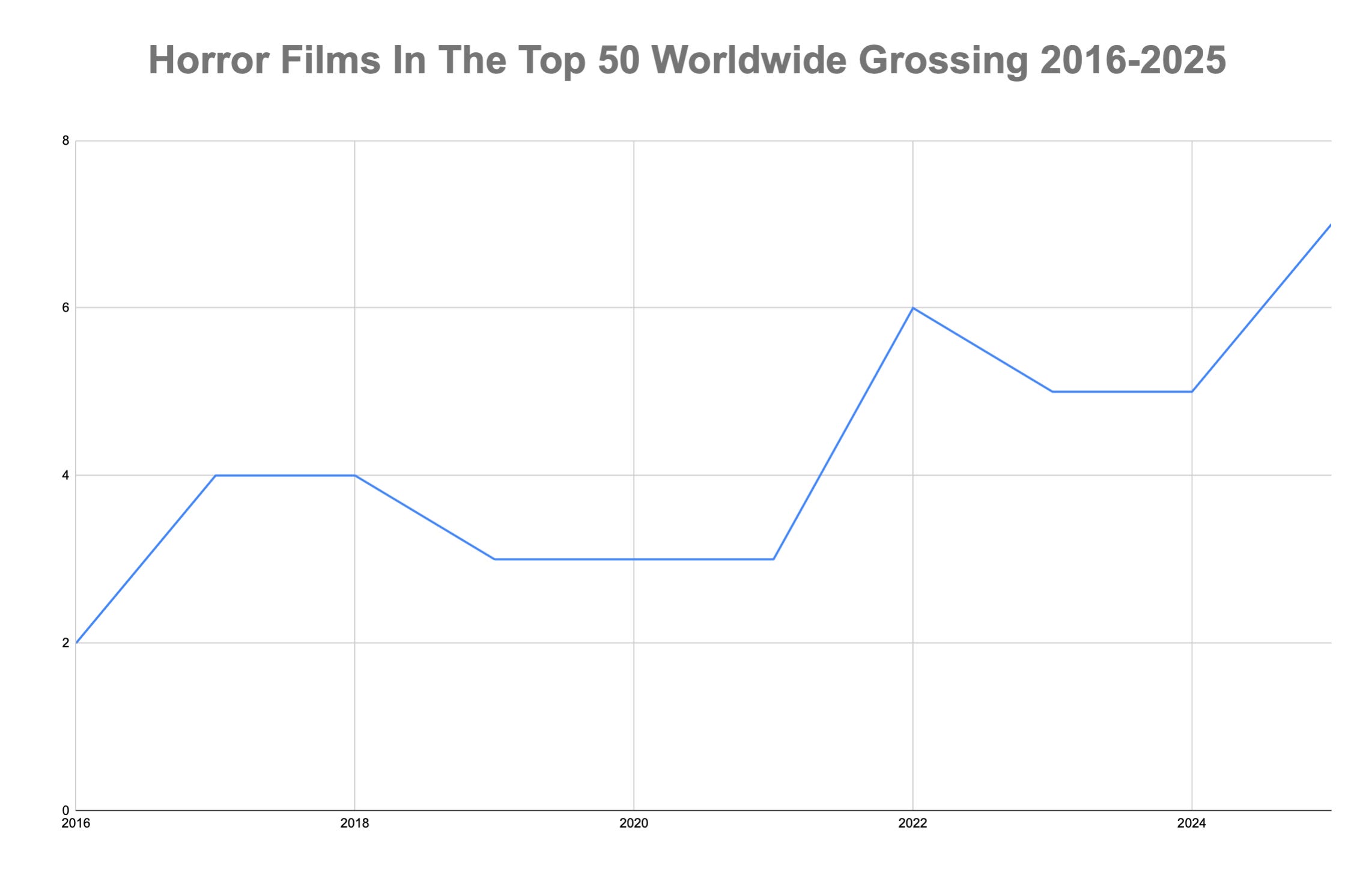
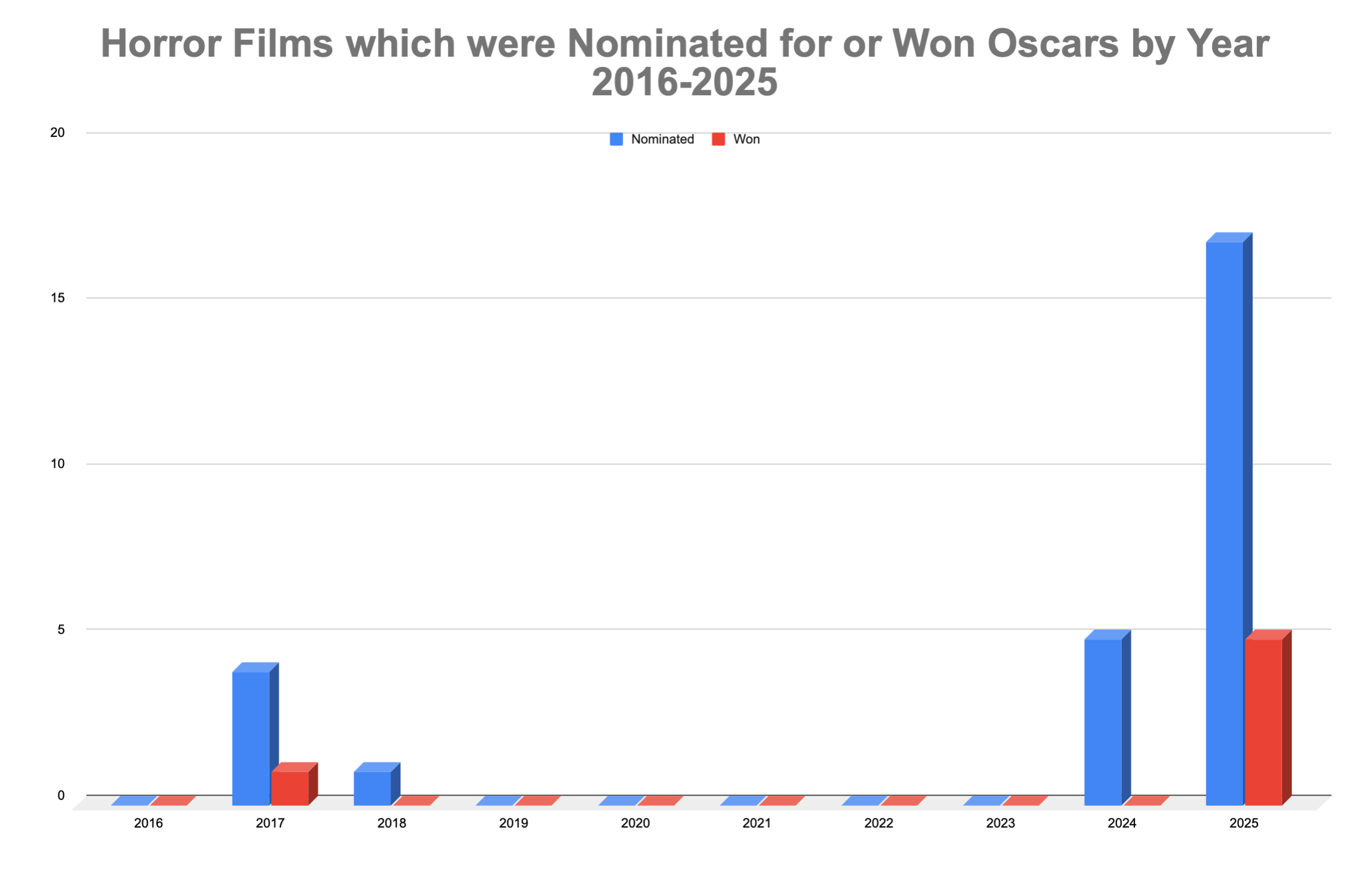
This data was published by ‘The Numbers’ and showcases the worldwide gross of horror films within the top 50 highest earning films of the year from 2016-2026. The chart also includes data collected from ‘BBC News’ detailing the results of horror films in the Oscar Academy Awards from 2016-2026. The chart is sectioned into specific years; horror films released that year that made it into the list of top 50 highest grossing, their position within the top 50, whether they were original films or part of a franchise and if they were nominated for or won an Oscar and how many of each they were awarded. The accompanying graphs show the amount of horror films that were in the year’s top 50 worldwide grossing and how many nominations or wins horror films were awarded that year from the top 50 highest grossing respectively. They feature data per year from 2016-2025 as films released in 2026 haven’t had the opportunity to be considered for the Oscars yet and as performance data is subject to change for films released before the end of 2026. Data highlighted in white boxes indicate the best outcome of each category from the past decade.
For this chart using ‘The Numbers’ box-office statistics from 2016-2026, I have classified horror films as any film which is primarily of this genre not including films with horror elements or sequences, simply: intended, straight, horror. As to whether or not a film is an ‘Original Horror Film’ or a ‘Sequel/Reboot’, this was decided based on whether or not a film had any ties to an existing franchise. For example, ‘Evil Dead Rise’ is listed as a reboot due to it featuring elements of the original ‘Evil Dead’ Trilogy and sharing its name-sake despite not being too connected to the originals. A film’s Oscar results will also be attributed to the film in its release year as they were awarded to the films themselves despite the ceremony taking place the year after. Additionally, this data only includes the Top 50 highest grossing films of a certain year and is not representative of the horror genre as a whole, just its most profitable editions as they are likely to be of most relevance to this research.
As of November 2026, this year’s ‘Obsession’ is currently the highest grossing horror film of the past decade and the 10th highest grossing film of the year followed by an additional 2 horror films, ‘Backrooms’ and ‘Resident Evil’. This data alone would be enough to convince most general audiences that horror truly is ‘having a moment’, but what I find most interesting is what notable hits aren’t included on this chart. As anyone who considers themselves a fan of horror is well aware, the genre is usually upheld by a strong, dedicated, cult following or franchise blockbusters, however, every few years, an original horror film will emerge into the gaze of general audiences and dominate a year’s conversation despite not being especially profitable or an awards contender. Ari Aster’s ‘Midsommar’ and ‘Hereditary’ were undeniable hits and some of the biggest talking points of the film industry in the late 2010’s and have yet to lose their untouchable reputation but are excluded from this chart as they weren’t profitable enough. This also goes for award winning horror films such as ‘Godzilla: Minus One’, ‘Frankenstein’ and ‘The Substance’, which were not apart of the top 50 highest grossing films of their year despite a wide array of critical and audience approval, the latter specifically having been the release that sparked the reemergence of the “Horrors having its moment” crowd. So what specifically is causing this ‘moment’? The answer: Critical reception and original filmmaking.
From the chart, we can see that the majority of horror films nominated for an Oscar over the past decade have been original films, in addition to being key pieces of evidence in conversation surrounding the recent adoration of horror. Back in 2017, audiences also believed that horror was having its moment after the release of ‘Get Out’, an original, award winning horror film that sparked debates and began to break down the no-budget, Halloween 37 reputation of horror as a genre alongside directors such as Robert Eggers and, the previously mentioned, Ari Aster who also revamped the genre with original and beloved horror.
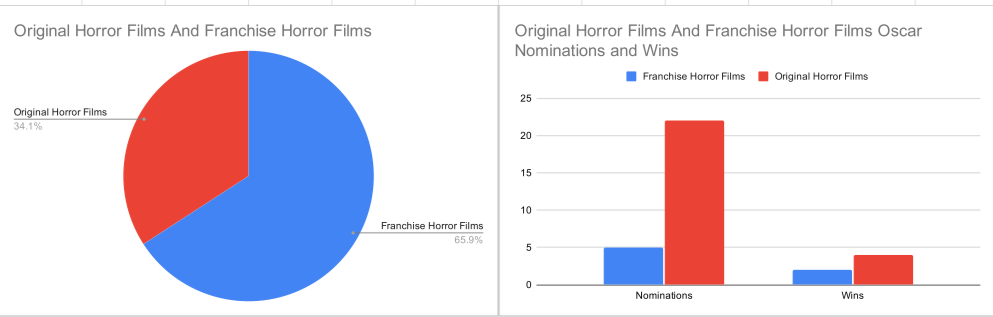
Created by Julian Cowley using data published by The Numbers and Oscar result articles published by BBC News
Across the past decade, out of the 50 horror films to have been within the top 50 highest grossing films of their respective years, only 18 have been original concepts and not connected to franchises. Excluding films released in 2026, 28.6% of these original horror films have been nominated for Oscars (4/14) while only 7.1% of horror films part of franchises have been nominated (2/28), with 2025’s original, horror-darling ‘Sinners’ being the most nominated film of all time with 16 Oscar nominations. Based on this data, original horror films are 4 times more likely to be nominated for an Oscar despite only making up 33.3% of the selected 42 films.
While the modern film industry leans further into reliance on franchises, sequels and spinoffs across all genres, horror has always been one of franchising’s biggest perpetrators and has suffered a harsh generalisation of quality as a result. But now, with an equal playing field the genre is beginning to gain the respect it deserves as a true art form and thus amplifying the respect given to original films within the genre towards the same respect given to any original film in the modern film industry. I wouldn’t find it ridiculous to say that the franchising of cinema as a whole has finally made way for horror to present itself as a true, respectable art form.
So is horror really having a moment? Based on the timing of this idea and the qualities that have helped encourage it, I think this answer will be solidified at next year’s academy awards. If horror continues to thrive at the Oscars and one of the year’s many beloved, original horror films such as ‘Obsession’ can earn the respect of the academy and confirm itself as more than just a box-office hit then I think we can finally say for sure that horror is having its moment.

A superb, original piece on horror here using data. It was great to see the visualizations, and that you noted the landmarks like Get Out...
I feel films like Barbarian and Bone Tomahawk really reinvigorate the genre.. but it's inherent to horror it reinvents itself. It's so interesting to see it plotted out.