


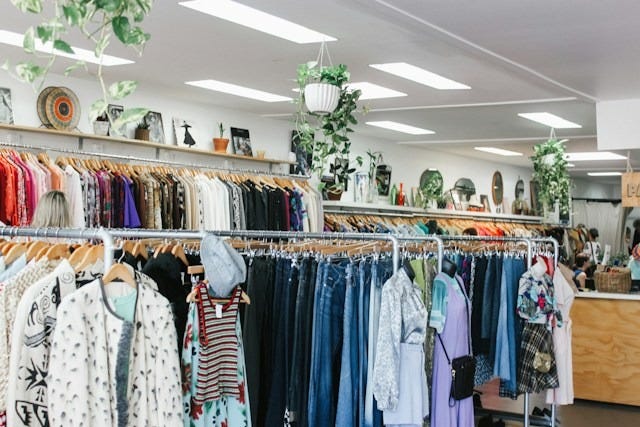
Three of the charity shops along London Road, Headington, closed down in the last year, two of which were Cancer Research UK and the third was the British Heart Foundation. Unfortunately, Headington isn’t the only town to experience this. With second-hand shopping never being so popular as ever before, why are we seeing so many charity shops closing down around the UK?
Two of the largest charity shop chains across the UK, Cancer Research UK and British Heart Foundation, announced plans to close large numbers of their shops across the UK. Cancer Research UK issued the closure of 90 stores in May this year and ‘plans of closing up to 100 more by April 2027’ to maximise impact on ‘rising costs, inflationary pressures, and changing consumer habits’. The British Heart Foundation had a similar approach, issuing the closure of 150 of its shops by March 2028 in order to ‘protect sustainable income for lifesaving research’. Further comments or interviews from both retail media teams were declined.
The rise of resale platforms such as Vinted and Depop have undoubtedly accounted for the change of consumer habits, with their convenience and the selling of higher value clothes attracting more resellers and consumers than charity shops have recently. Emily, a loyal consumer of Vinted stated in an interview that ‘Vinted ultimately just has a lot of higher quality clothing and more popular brands available just by a touch of a screen’. She also stated that ‘as a university student I tend to prioritise convenience and cheap prices for higher quality’.
A press release from the Oxfam CE, Richard Hawkes, also commented on how this change of consumer habits and competition from resale platforms pressures chains to have to adapt to the market, and sees this change as ‘something we must embrace rather than be concerned about’. The press release further stated ‘an urge for public support’ as charity shops continue reshaping their retail operations. Further comments on the matter from Oxfam were declined.