


I am someone who considers themselves socially and politically aware, so I felt ignorant to have never considered the arts as an area of immense gender inequality.
Perhaps this is because the arts tends to be discussed as a softer and more feminine feild compared to other sectors, like business or science, that are often stereotyped as serious and a man’s domain.
Nonetheless the Making their Mark Forum, created by Komal Shah and Gaurav Garg, brought inequality facing women in the arts to the forefront.
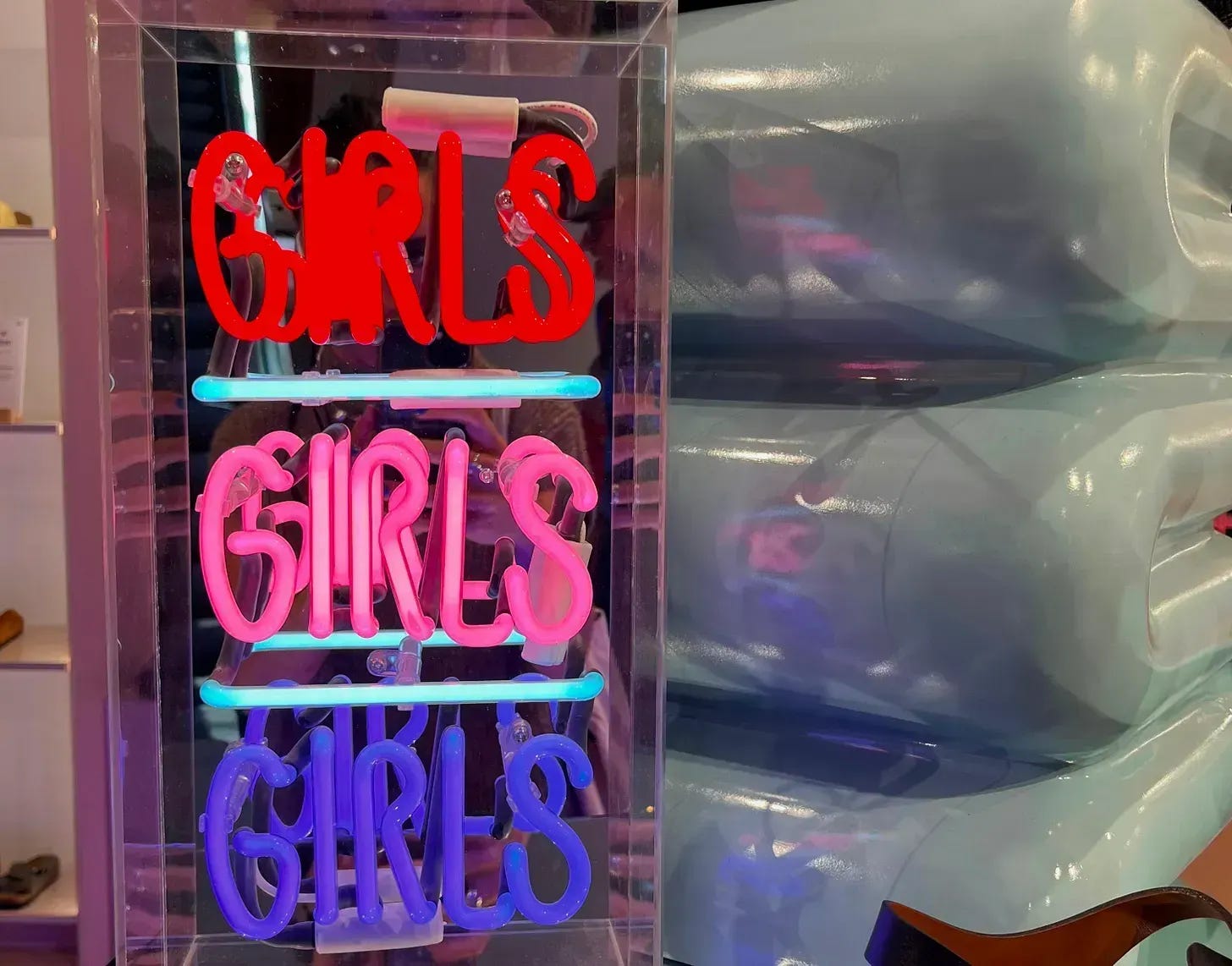
The forum hosted a panelist of guests from an array of backgrounds. A mixture of CEOs, artists, journalists and academics all speaking on the inequality currently facing women - the consensus that the art world was still falling short on equity for women artists.
Shocking facts were discussed at the forum illustrating massive inequality in the rate of womens share of the art market. If it continues at the rate it is currently increasing, parity with men will not be reached until 2053. In terms of 21st centuary feminism, this seems outrageously arachiac.
On The Current Landscape
As an attempt to understand the data behind this inequality, I spoke to one of the Making Their Mark panelists, and professor of finance at Oxford Univcersity, Dr. Renee Adams. Dr. Adams explores topics of gender inequality and stereotypes in both her work as an artist and as an academic.
In her art work, she investigates power structures that control our society. Dr. Adams jokes that she is the longest serving student at her school, Warehouse Art School, and that she ‘will probably never graduate.’
Last year, Dr. Adams’ end of year project looked at ‘men of action or men of inaction.’ She explained that to make this piece she placed small paper mache figurines of men infront of concave mirrors so they appear to themselves as being larger than they are in reality. Dr. Adams anecdotes this project by joking:
“So basically it was about the guys thinking that they’re much bigger than they actually are…so I was a bit worried that it was too obvious…but I just had to do it you know?”
Are these the power dynamics at play in the art world? I wondered. Systemic economic oppression of women, accumulating in men obtaining spending power in the art market and supporting male artists over females? I have seen reports by large art platforms, and messaging on social media that more women are entering the market and will attract a new wave of feminism and equality
When I asked Dr. Adams about these trends that I perceived she responded, “There is a story out there…suggesting that women are now going to come in and solve all of the womens problems…which is problematic in some sense because that means that there is no responsibility.”
Dr. Adams is an expert in data analysisation in her academic career - until there is transparent data from a concrete methodology the idea that women will come in and solve womens inequality in art may just be, as she puts it, ‘a nice story.’
This is made me question, how are young women in art navigating through this world of gender inequality?
On Changing The Narrative
Female art collectors have a specefic relationship to gendering within the art world. By profession, art collectors have power to control a narrative. So how do women navigate this power in a world that undervalues and underrepresents womens work?
I spoke to Tia Tanna, 25 year old founder of the Tia Art Colllection, on how she views the industry, and social responsibility, as a young woman collector. Tanna is not naive to the power and responsibility that comes with her reach and impact. She effortlessly synopsises her role as a young woman collector by stating,
“Access doesn’t just validate the work; it creates visibility and shapes what gets historicised.”
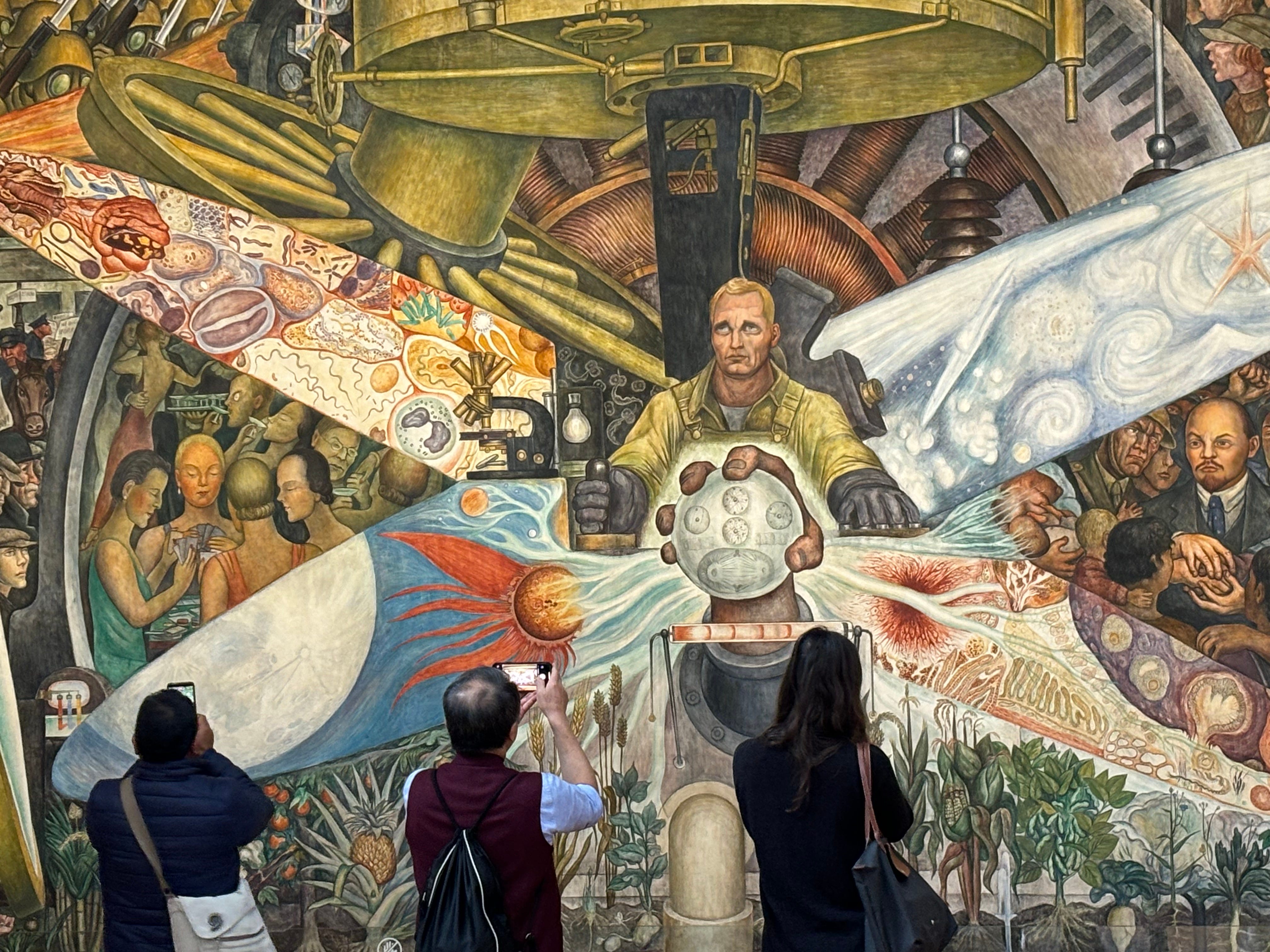
Tanna agrees that there are few women in the collecting space, but mentions that the most exciting young collectors she is currently encountering - who are thinking seriously about meaning and community rather than just market value of a piece - are women!
“The boundaries between fashion, design, and fine art, which have often been policed in ways that neatly map onto gender, start to feel less fixed. That feels like genuine progress to me, not just for women but for the field.”
On Making The System Work For You
The value based gendering that Tanna discussed between fine arts and couture, was mirrored when I talked to 22 year old Oxfordshire artist, Freya Mizen. I asked Mizen if she saw the arts as being a financially viable option for her career, her answer was succinct and spoke volume:
“To be honest, no. That is why I chose to do physiotherapy instead, so I could have a stable income and do art on the side.”
Mizen says she see’s the most value in using her art to make creative art campaigns in global health and to communicate new research and innovations.
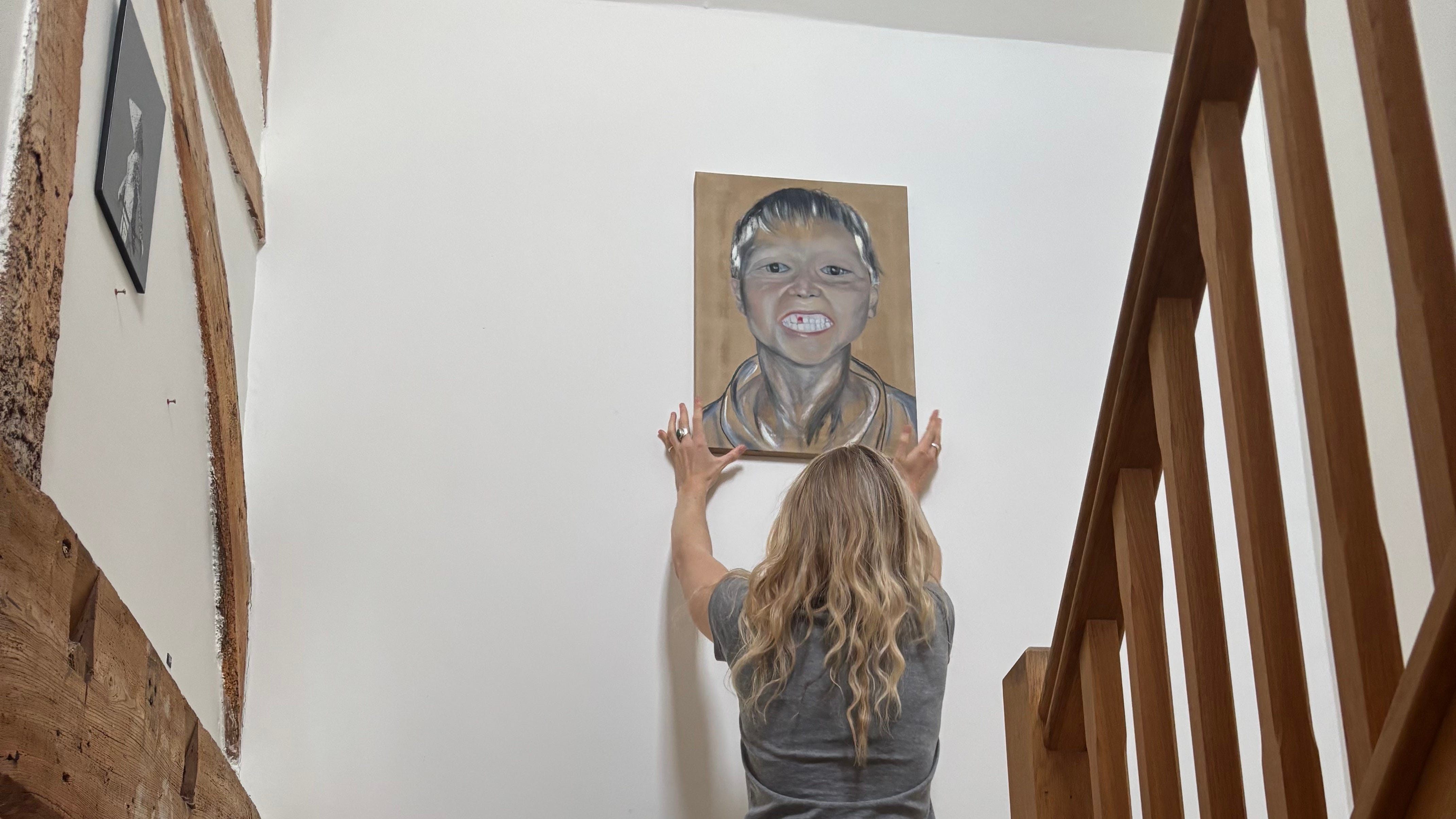
Freya Mizen... Wow, her art was incredible! I love use art in a unconventional way! Great article!