


After the showing of The Six Billion Dollar Man, directed by Eugene Jarecki, this sentiment resonates as fact.
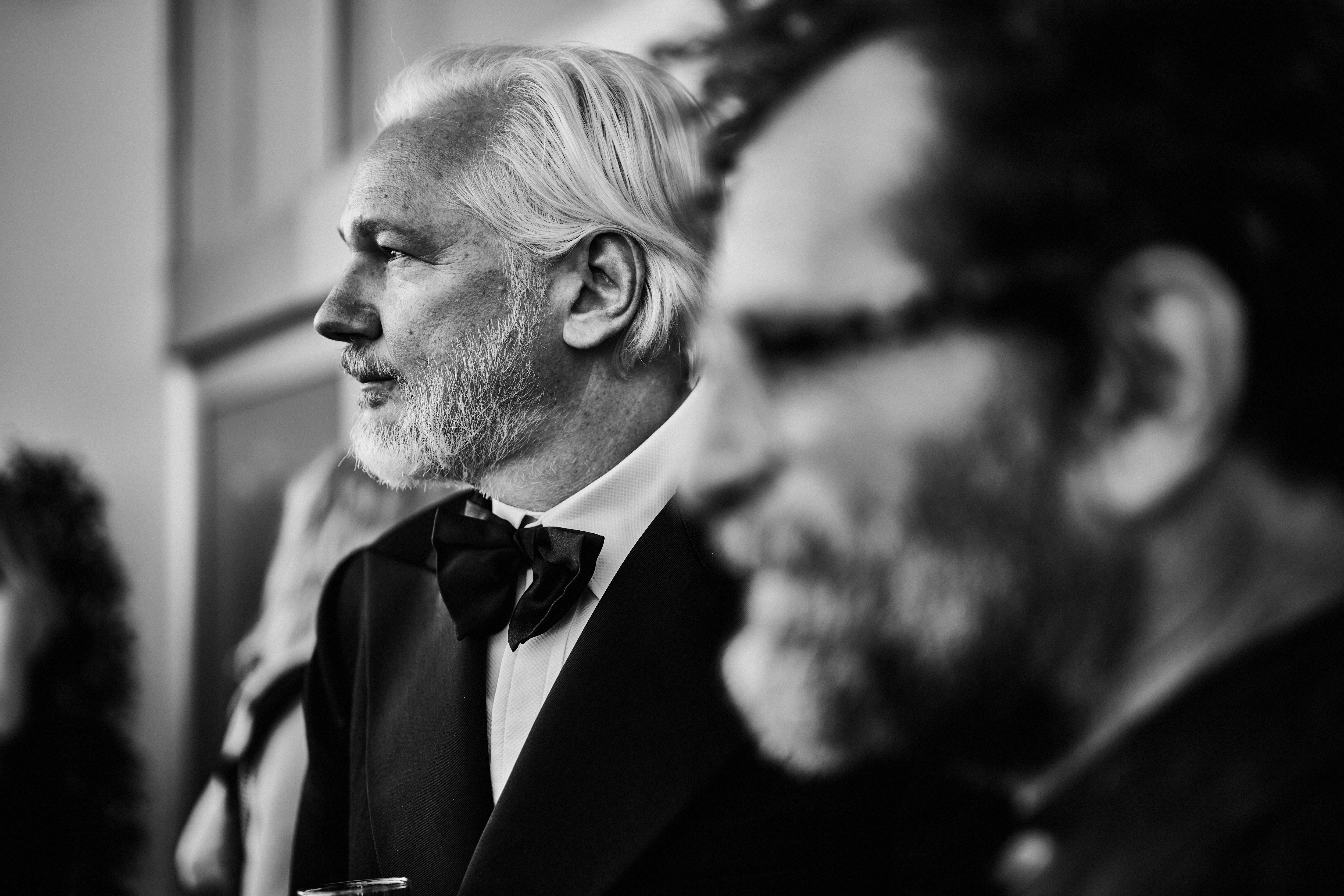
We are in a small press viewing theatre nestled in rainy Soho, a far cry from the situation portrayed by this documentary. The film follows the story of the infamous whistleblower and founder of Wikileaks, Julian Assange. Jarecki’s raw direction allows the viewer intimate insight into Assange, and exposes the reality of how far a government will go to protect damaging information.
Jarecki shows us a version of Assange that is in stark contrast to the commercialised public image popularised by the media prior to this film. Although Assange was regarded as odd by many, he did not live up to his infamous media reputation as a publicity seeker and rapist. The documentary unveils a smear campaign that the United States (US) government used to discredit Assange. Jarecki shows the audience a world that is fabricated and puppeteered by state power - be that the US, United Kingdom (UK), Sweden or Ecuador.
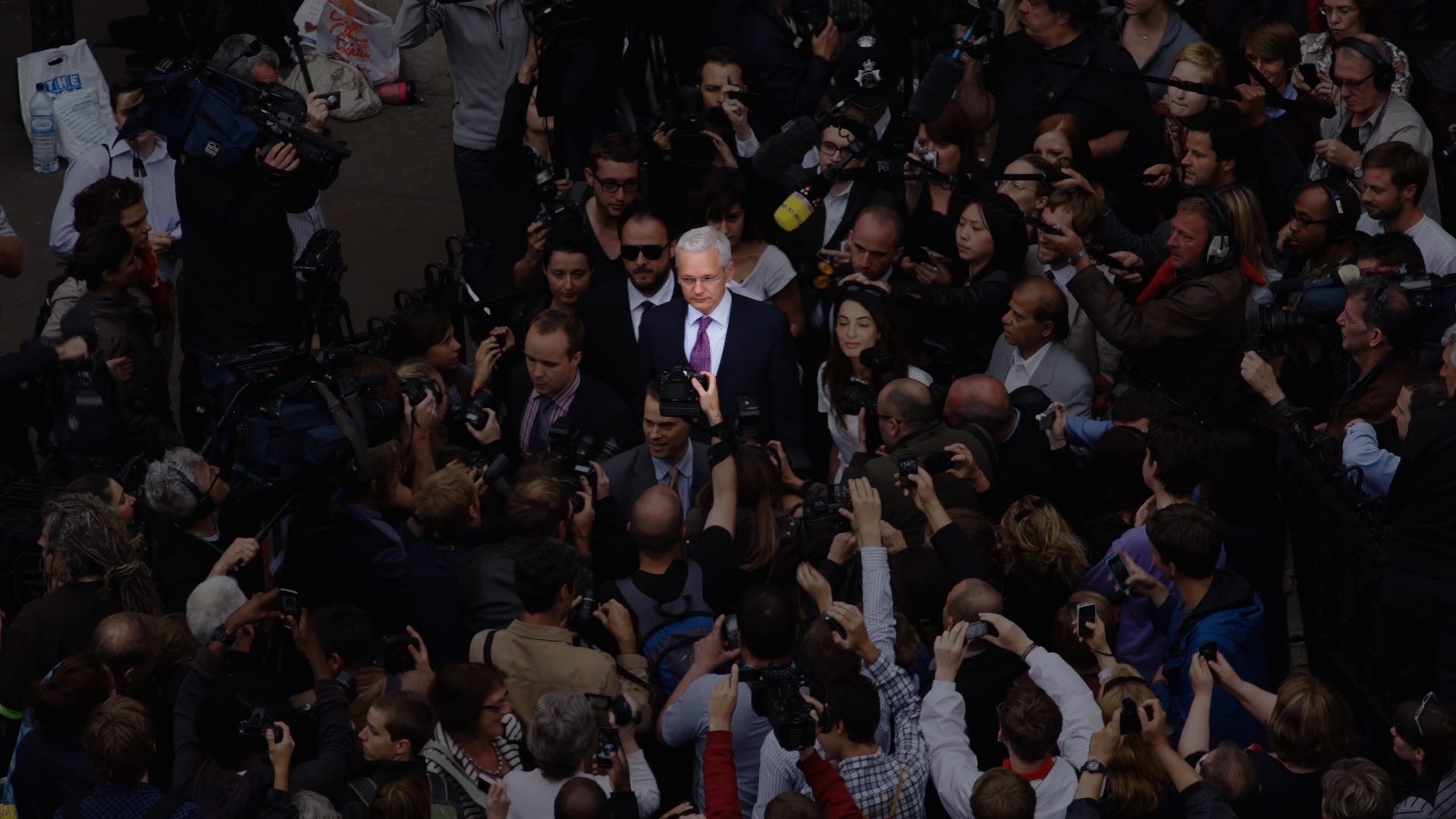
The film covers the most significant moments for Wikileaks, specifically the leaked footage of US war crimes in Iraq and thousands of confidential documents that suggest the US committed war crimes in Afghanistan. The information provided to the public by Assange highlights the lawlessness and brutality of war. The US government’s fear of public opinion and geo-political backlash catalysed an unprecedented assertion of transnational power.
Amidst the ongoing international alarm, the film is scattered with security camera footage of Assange’s mundane daily life in the Ecudorian Embassy in London. Seven years are recorded in detail as he moves listlessly through his days, without privacy or respect. The surveillance footage of Assange serves to incite pity, rather than fear.
Assange’s true threat to governmental power was his willingness to share the volatile information he held with the world. Three recognized democracies, the US, the UK and Sweden collaborated to present Assange as a public threat. The facade of who Assange is and what he represents is the backdrop to major themes in the documentary.
Freedom of the Press
We are in a post-truth environment where any news source has a voice and “fake news” runs rampant. Our current challenge as journalists is to build public faith in our reporting. The opinion of whether the public should be privy to all governmental leaks without censorship is subjective and requires consideration. Trustworthy journalism presents information from a transparent belief system. The political, social, and ethical spectrum of journalistic beliefs is wide, and Julian Assange highlights an extreme end of it in the documentary.
Historically the public has not had access to sensitive government information because of the landscape of the news environment. People either read newspapers, listened to the radio or watched television. This was an environment of reduced publishing capabilities, and the existing news sources were limited to a handful of broadcast corporations. Although access to news was controlled by these corporations, the public was familiar with them and trusted them as a news source. Now, with social media and citizen journalism, there are endless sources of opinions presented as “news” and public faith in reporting has been eroded. News is expected to be based in fact, opinion is not; currently the line differentiating the two is blurred.
Public Accountability
What is the journalist’s role in choosing what to report on in a saturated and fast paced news environment? Should journalists follow Assange’s example and report any information they are given, or should they use more discretion with dangerous information?
In a post-truth news environment, a growing recognition of media censorship and a rapid storm of Artificial Intelligence (AI) development have placed the concept of free and truthful press back in the social zeitgeist.
Although Assange was not an investigative journalist himself, he provided public information for journalists to report on. Because of his extreme approach to publicizing sensitive government information, journalists have debated whether or not Assange should be celebrated. Underlying this debate is the concern that, as soon as censorship affects one aspect of the journalistic spectrum, the whole industry of journalism is at risk.
Journalists’ Views Towards Freedom of Press/Post-Truth Reporting
The Six Billion Dollar Man seems to end on a call to action for all journalists. Leaving the theatre, we felt more aware that the threat to freedom of the press is not a thing of the past. Jarecki takes the audience through a montage of current events and current leaders that have disrupted our social norms. This grounds the audience in current times, and shows us that the state power attempting to silence Assange is still very much present in today’s world of news reporting. This message hung in the air of that viewing theatre full of journalists.
Journalists, in every sense of the term, made up our small group. There were those that were semi-retired, making an evening out of yet-another-press-screening by reserving a nice dinner afterwards, industry-veteran-freelancers draped under many layers of winter accessories, and students recognizable by their lack of aloofness. Nevertheless, the message from Assange was universal: you cannot hold back from reporting on what is true, even when threatened by state power.
Jarecki has been struggling to have streaming services pick up his film and believes that the US continues to push back on transparency around Wikileaks and Julian Assange. He says this in a discussion about his film for Deadline’s Contenders Documentary virtual event:
“Remember that WikiLeaks released war crimes evidence against the United States. They showed that the United States was engaged in war crimes in Iraq and Afghanistan and elsewhere. And this is not what U.S. policymakers want the world to know about us.”
It is concerning that the US mainstream entertainment industry is wary of giving the film a platform to expose the actions of the US government. It appears that an industry that professes autonomy is bowing to the dynamics of state power and censorship.
The strength of these dynamics is an overwhelming theme throughout the film. By viewing the film we are granted access into a well researched world of state secrets. The subject matter of the film itself embodies just that - Wikileaks is a platform that allows every person the power of knowing a truth that an authority does not want known. This power evokes societal change, and echoing Timothy Snyder, if nothing is true then power cannot be criticised. Through Wikileaks, Julian Assange has presented people with the opportunity to use information as power, and Jarecki reflects this aim with the release of The Six Billion Dollar Man.
In cinemas now. For details go to www.thesixbilliondollarman.com