


The streets of Budapest are packed. A vast crowd has flooded the banks of the Danube River, against the glimmering nightly backdrop of Hungary’s historic capital. People are cheering, shouting, celebrating, whistling, waving Hungarian and European flags.
‘We are so happy that Orbán is finally gone,’ one young Hungarian told the Guardian. ‘We are glad to feel some sense of hope, finally,’ adds another. ‘We changed the system!’
After 16 years in power, Prime Minister Viktor Orbán, a galleon figure of the European far-right, had just lost his re-election. Decisively.
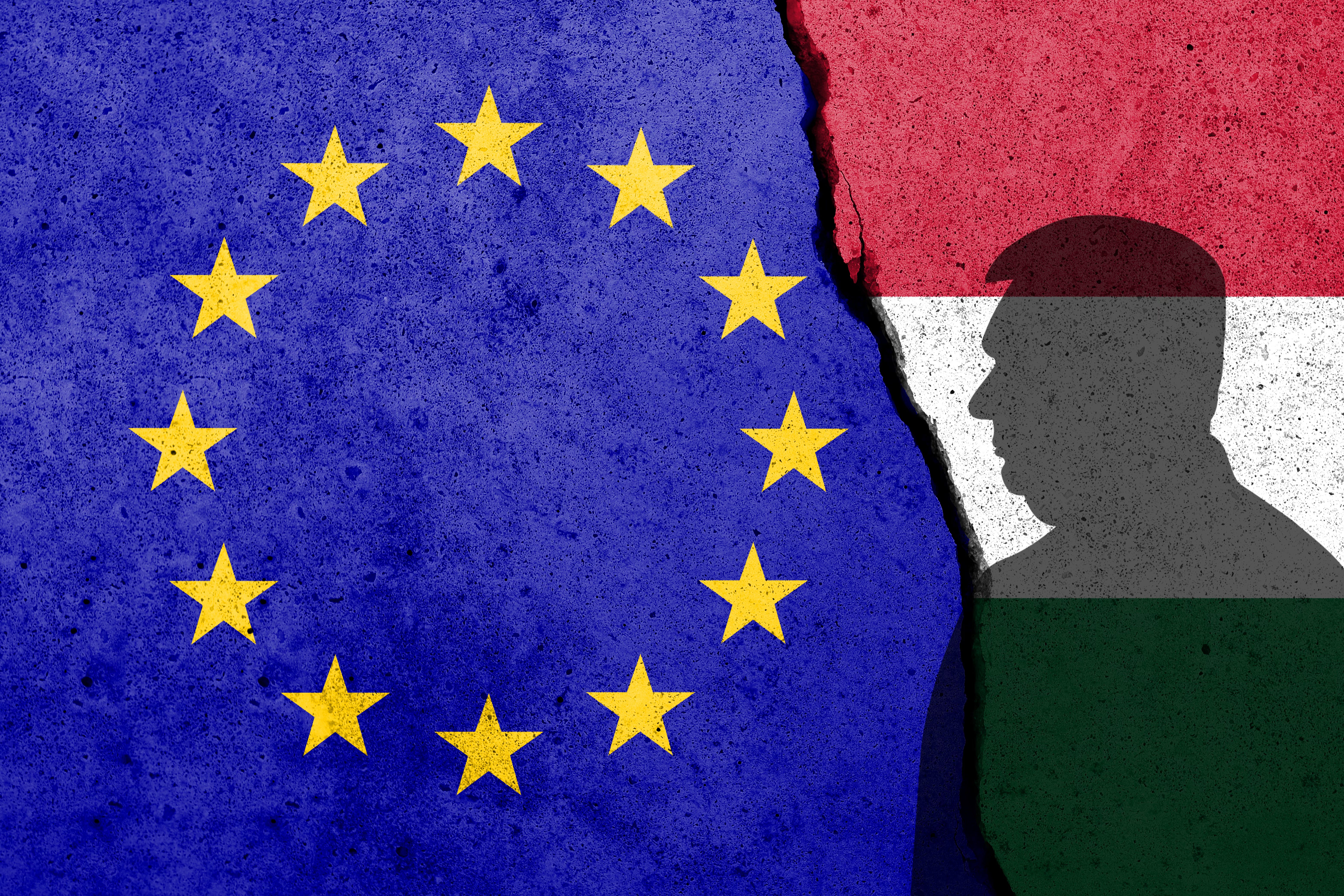
And on the other side of the Atlantic, another far-right heavyweight faces dismal approval ratings and a possible electoral rebuke in November. ‘The Trump vibe shift is dead,’ declared New York Times columnist Ezra Klein late last year.
Is this it? Is this the beginning of the end of the cultural vibe shift towards the political right that many commentators had diagnosed across the West?
‘I do think there is some argument for that,’ says Dr Jon Wheatley, who researches European politics, political parties, and autocratisation at Oxford Brookes University. But before hearing that argument, let’s take stock of the status quo.
The era of the far-right
Populist parties of all political orientations, meaning parties that put the people versus some sort of elite, have gained in strength significantly over the past 25 years in Europe, according to the Votes for Populists Dataset.
Right-wing populist parties specifically have constituted the only major party family that has seen an increase in vote share across 36 Western democracies since the fall of the Soviet Union, as an analysis of the Comparative Political Dataset shows.
Dr Wheatley explains that the most recent increase in popularity started off the back of the 2008 financial crisis and the European financial crisis thereafter—as can be seen in the data. The rise was ‘then perhaps turbocharged by the migrant crisis of 2015 as well.’
By the mid of this decade, the far-right had become a major political force in Europe: They formed governments in nine EU member states, filled a quarter of seats in the European Parliament, and were involved in all major EU decisions, according to the German think tank SWP.
Some 51 far-right parties sat in European parliaments in 2022, as an analysis of the so-called Popu-List dataset reveals.
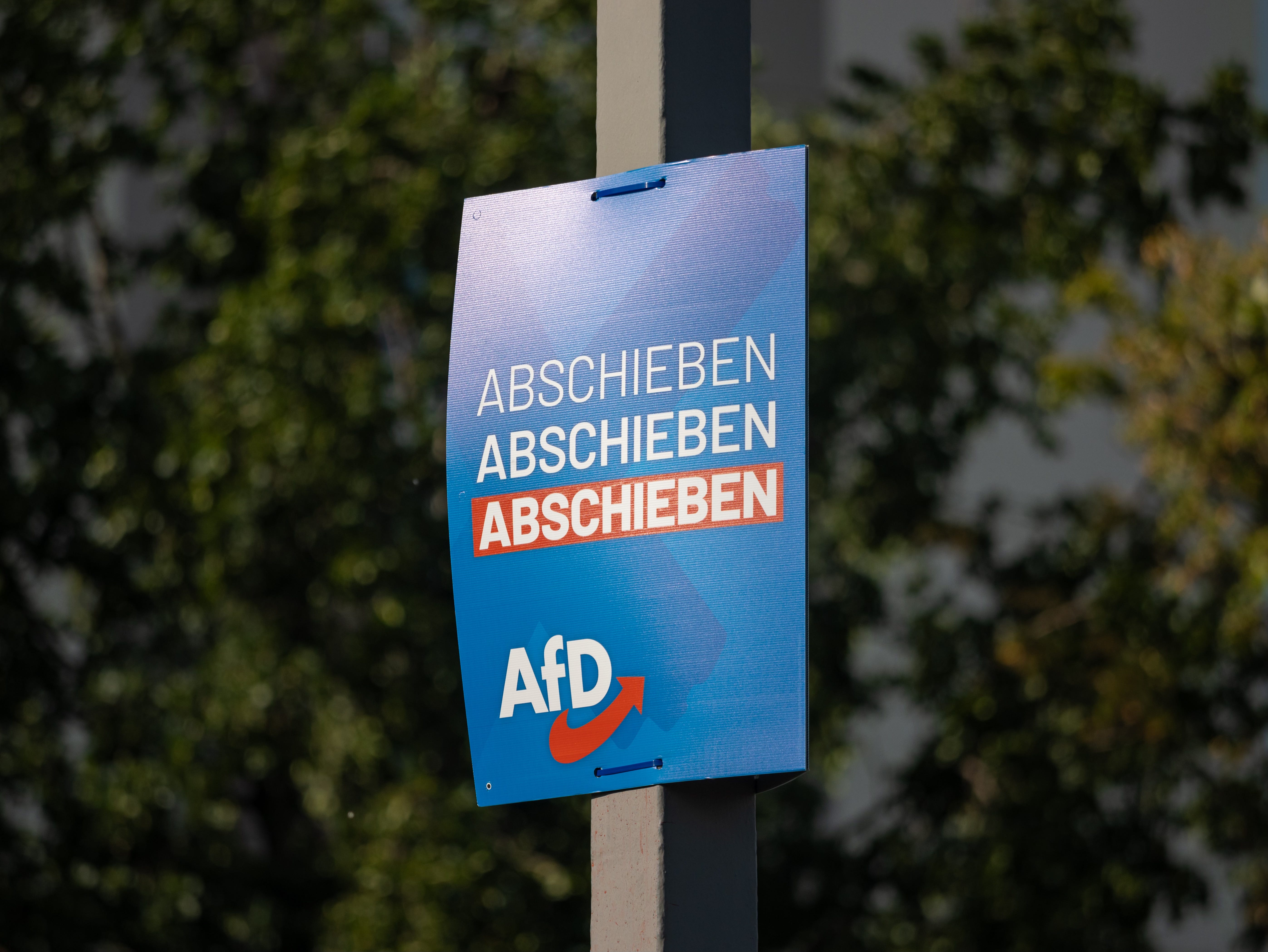
Reform UK, France’s National Rally (RN), and the Alternative for Germany (AfD) now lead the polls in Europe’s three largest economies. And, of course, the Republicans are in power in the US.
Being right goes mainstream
That is also where the vibe shift towards the political right reached a climax, under the Capitol’s historic dome in Washington D.C., in front of old paintings and an American flag.
On 20 January 2025, shortly after noon, everybody was giving standing ovations to the newly inaugurated 47th president of the United States, walking up to a podium bearing the presidential seal. Donald Trump, a far-right populist. Jeff Bezos, Tim Cook, Elon Musk, Sundar Pichai, and Mark Zuckerberg were seated directly behind him on the stage, clapping.
Wayne Gretzky, Rupert Murdoch, and countless politicians sat in the audience. In front of the eyes of the nation and the world, the shame in supporting Trump seemingly gone.
‘This week, I will also end the government policy of trying to socially engineer race and gender into every aspect of public and private life,’ his voice carried across the storied, crowded hall.
‘As of today, it will henceforth be the official policy of the United States government that there are only two genders: male and female.’
Positions like that are typical of the recent wave of far-right politics, explains Dr Wheatley. ‘They’re sort of combining anti-immigration, even nativist stances, with anti-trans, so-called anti-woke, often anti-net zero positions.’
He agrees that there has been a vibe shift, and not only in the US. ‘I think you’ve got a normalisation of discourses that would previously be considered far-right, that are now considered sort of normal.’
It’s the culture, stupid!
Culture and identity are key issues for voters on the far-right. Anatole Champel, a 20-year-old undergraduate at Oxford Brookes who is originally from Paris, says that the most important issues to him are immigration and cultural preservation.
‘What we do want is that the people that are coming in are here to respect the rules and blend into society,’ he says, emphasising that he is concerned about his culture and not about the racial makeup of France. Mr Champel has been a supporter of the French RN for the entirety of his politically conscious life.
Indeed, culture and identity are the deciding factors when it comes to the rise of RN and the like. ‘One of the reasons why these parties are doing well, I think, is because this culture-identity axis has suddenly become salient,’ analyses Dr Wheatley. ‘That now matters.’
Throughout the 20th century, that had been different: ‘It’s the economy, stupid!’ was the mantra.
Of the two dimensions dividing left and right — the economy and cultural identity — the latter has become pressing, according to Dr Wheatley. Traditional conservative parties were oftentimes unable to capitalise on that.
While Mr Champel likes some of their economic views, traditional conservative parties ‘don’t act on the issues that me or my social group are concerned about.’
Another look at the Comparative Political Dataset reveals that right-wing (not necessarily far-right) parties have become ever-so dominant in governments of Western democracies over the past quarter century, at the expense of centrist and left-wing parties.
At first, working-class voters began to abandon their traditional political home: the centre-left. Over the last five to ten years, ‘that seems to have happened to the centre-right as well,’ says political scientist Dr Wheatley.
A reverse vibe shift?
So what about Orbán’s election loss, and Trump’s declining popularity? Is the rise of the far-right at an end?
Maybe. But maybe only after they have been in power for a bit.
Far-right parties can get into trouble when in government. ‘Because part of them do have a populist message: the pure people versus the corrupt elites,’ says Dr Wheatley.
‘But what happens when they become the corrupt elites? And this was the case of Orbán.
‘People were getting disillusioned,’ he explains. ‘So when these guys do get into power, they face pushback.’ A possible reverse vibe shift.
And in government, their handling of the economy does matter. ‘They will deregulate. They will increase inequality,’ says the political scientist.
RN supporter Mr Champel has a vision for when his party wins over the government: ‘I think we would have a lot more safety.’
That is also part of what the German AfD promises: ‘When did all of this actually start?’ is what a melancholic voice says to the sound of thoughtful retro music. ‘That nothing works anymore.’
‘There was always enough money, be it for bankrupt southern European states or millions of migrants from all over the world.’
The voice belongs to a 2025 election ad that revokes memories of supposedly happier and richer days, to the backdrop of slick imagery of Germany. Landmarks, flags, an eagle.
‘Now is the time for our families … for our security … for our country.’ The music turns electronic and energetic.
‘This trend is here to stay’
According to Dr Wheatley, far-right parties will become a key political force in Europe.
And with it, the danger of dwindling democracy. ‘There is a risk because these parties are authoritarian,’ says Dr Wheatley.
Mr Champel dispels concerns about authoritarianism or even fascism. ‘We cannot compare the right today to fascism,’ he argues. ’I think that’s a lot of speculation from mostly left voters.’
The political scientist Dr Wheatley thinks that a full-blown rise of authoritarianism in Europe is unlikely.
‘Hungary is a ray of hope to a certain extent because, despite the fact that Orbán had been there for 16 years, despite the fact that he basically controlled the media and everything: he still lost.’