


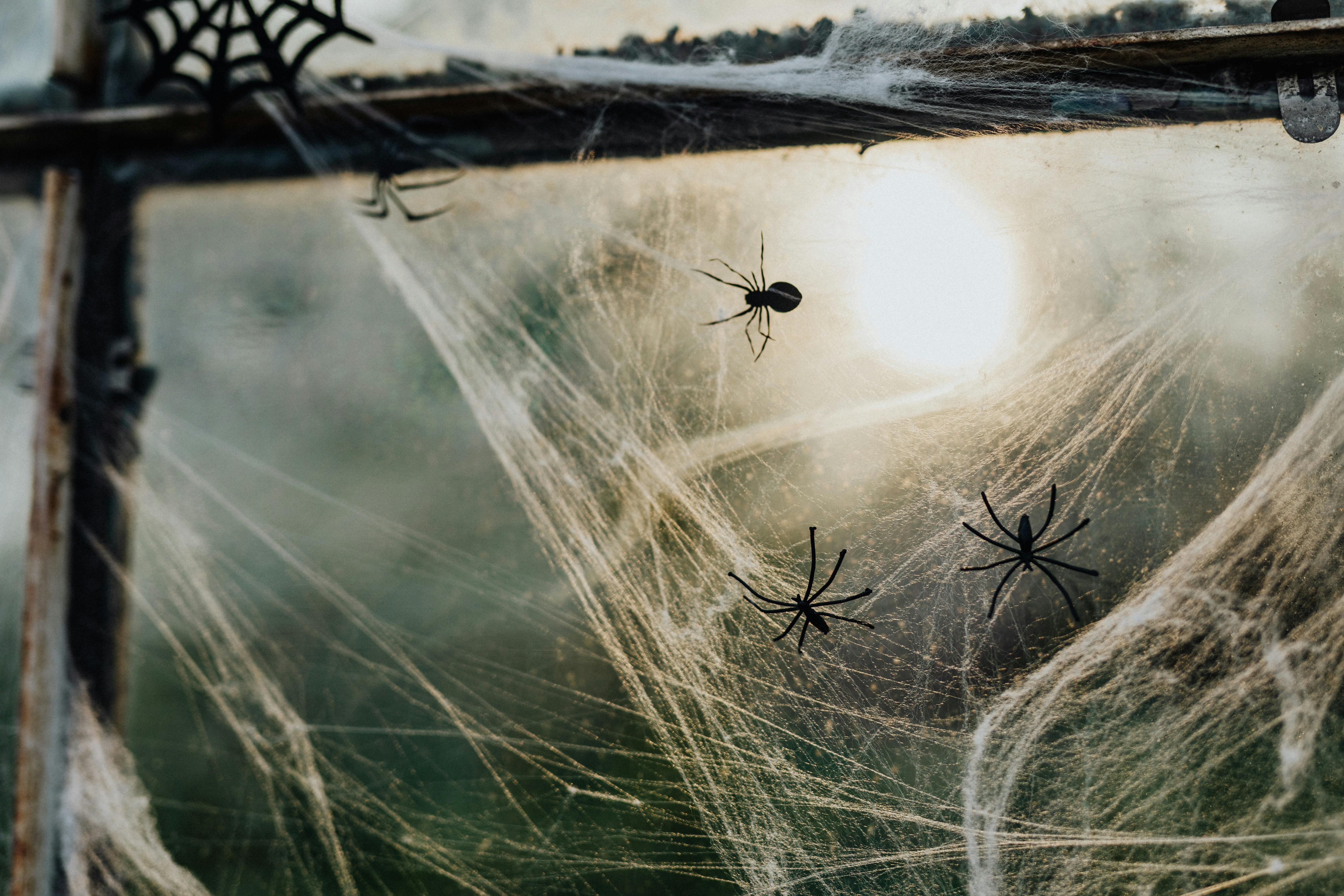
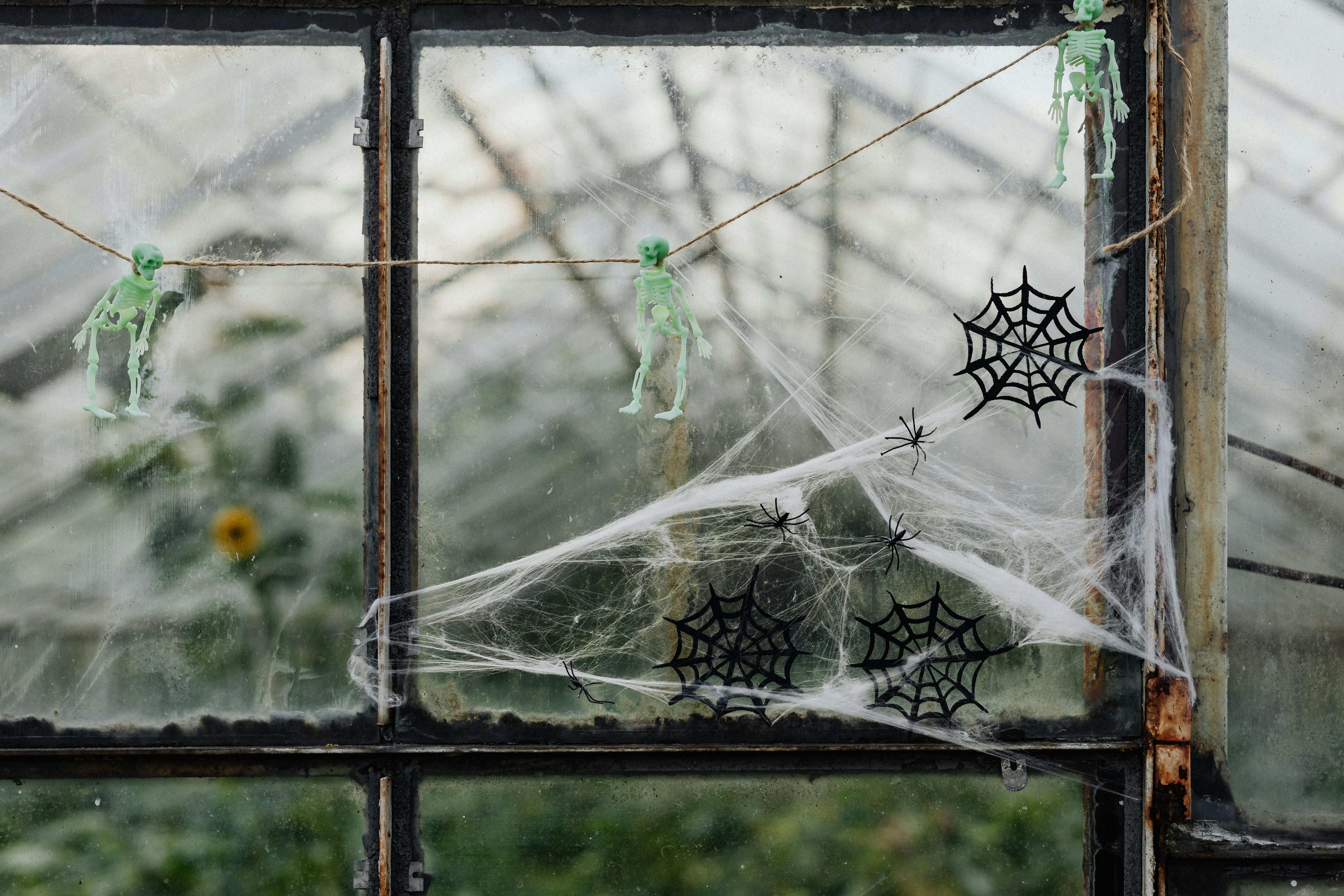
In the streets of Oxford, Halloween decorations are taking over gardens: pumpkins, skeletons and, above all, large white webs hanging from bushes. But behind the festive spirit, one detail is shocking: insects are trapped in many of them, unable to escape.
This now commonplace decoration is causing increasing concern among nature conservation organisations, which are warning of the environmental consequences of these fake webs.
“It has become a real threat to local wildlife,” warns Becky Downey, Community Organising Manager at Oxfordshire Wildlife Trust.
“These fake webs trap everything: birds, squirrels, spiders... A real web is part of a natural cycle, but this one is not. It captures, but it doesn’t feed anything.”
Decorations that slowly kill
Halloween is now the second most lucrative holiday in the UK after Christmas.
At first glance, these webs seem harmless. But they are made from nylon or polyester, two non-biodegradable materials. According to the UK Environmental Agency, the UK imports more than 2,000 tonnes of Halloween decorations every year. Of these, around 15 million fake cobwebs end up hanging in gardens or public parks.
The result: fibres that break down into microplastics, are swallowed by animals, and then contaminate the soil and rivers.
British environmental organisations such as the RSPB and the Wildlife Trusts report dozens of cases each year of birds and hedgehogs becoming trapped in these decorations.
“They look like branches or nests,” explains Becky Downey. “The animals approach them, get tangled up, and often can’t get out.”
Ignorance rather than negligence
In the Jericho neighbourhood, Sarah Challiner, a mother of two, adjusts a white canvas on her railing. She had never heard of these risks.
“Oh, I had no idea it could be dangerous. We just do it to entertain the children,’ she admits. “We bought all this online, it doesn’t cost anything.”
Like many, Sarah never saw any warning messages on the packaging. There are no labels specifying the composition or environmental impact of these products.
More responsible alternatives
The Oxfordshire Wildlife Trust recommends keeping these fabrics indoors, where they pose no danger to wildlife.
“Above all, avoid hanging them outside on bushes or trees,” insists Becky. “There are plenty of recyclable alternatives: cardboard, fabric, or even paper. There are lots of easy DIY options that are not harmful to the environment.”