


Covid 19 meant that when people worked from home, they consequently dressed for being at home. Many people didn’t buy clothing at all because there was no need to. In the UK, clothing sales plummeted by 25% in 2020, and this was mirrored in the US with a 90% decline in fashion profit.
This realisation may have been more noticeable and unwelcome for those employed in sectors where formal attire, such as suits, heels, and ties, is more common. Although we had been drifting away from these dress codes for years before the pandemic, Covid may have been the final driving force, as people engaged in more flexible, otherwise known as ‘remote’, work from home.

At first, many employees were encouraged to dress up for work video calls anyway, in order to boost a sense of productivity and purpose. Instead, people began to wear what was comfortable, as they would be productive regardless of their fashion status. This was a far cry from the saying ‘dress well, perform well,’ which dates back to the Victorian era when the professional, educated, and wealthy wore extravagant fabrics, such as fur and velvet, to signal financial position.
We are seeing some change…
In 2026, many people still work remotely, so there is less need for smarter clothing. However, a new trend has taken to Tiktok over the past few years, emphasising the ‘office siren’ look as more of an aesthetic, rather than a necessity. The trend blends 1990’s/ early 2000’s corporate attire with sensual, empowered edges, including narrow ‘Bayonetta’ glasses, pencil skirts, and tight long-sleeved unbuttoned blouses.
This provides more of a ‘sexy’ edge to corporate fashion, representing a ‘chic’ shift often described as a romantic way of power dressing in the office that is borderline controversial with HR. This has lead to online debates on what is appropriate to wear to work.
Today, corporate clothing is evolving, incorporating elevated business casual with soft power tailoring — instead of returning to the rigid uniforms of the past. Power dressing is therefore changing with the times, pairing comfortable pieces with smarter silhouettes and more over the top accessories, such as chunky belts and scarves, to add personality to ‘formal’ looks.
High heels haven’t made a complete comeback, but instead ‘kitten’ heels and smart pumps are surpassing trainers, bringing elegance back into comfort.
As for suits, in 2023 ‘Yougov’ reported that between 7-10% of people wore a suit to work in the UK, while in the 1990’s, wearing a suit to work was the standard for many white collar office roles.
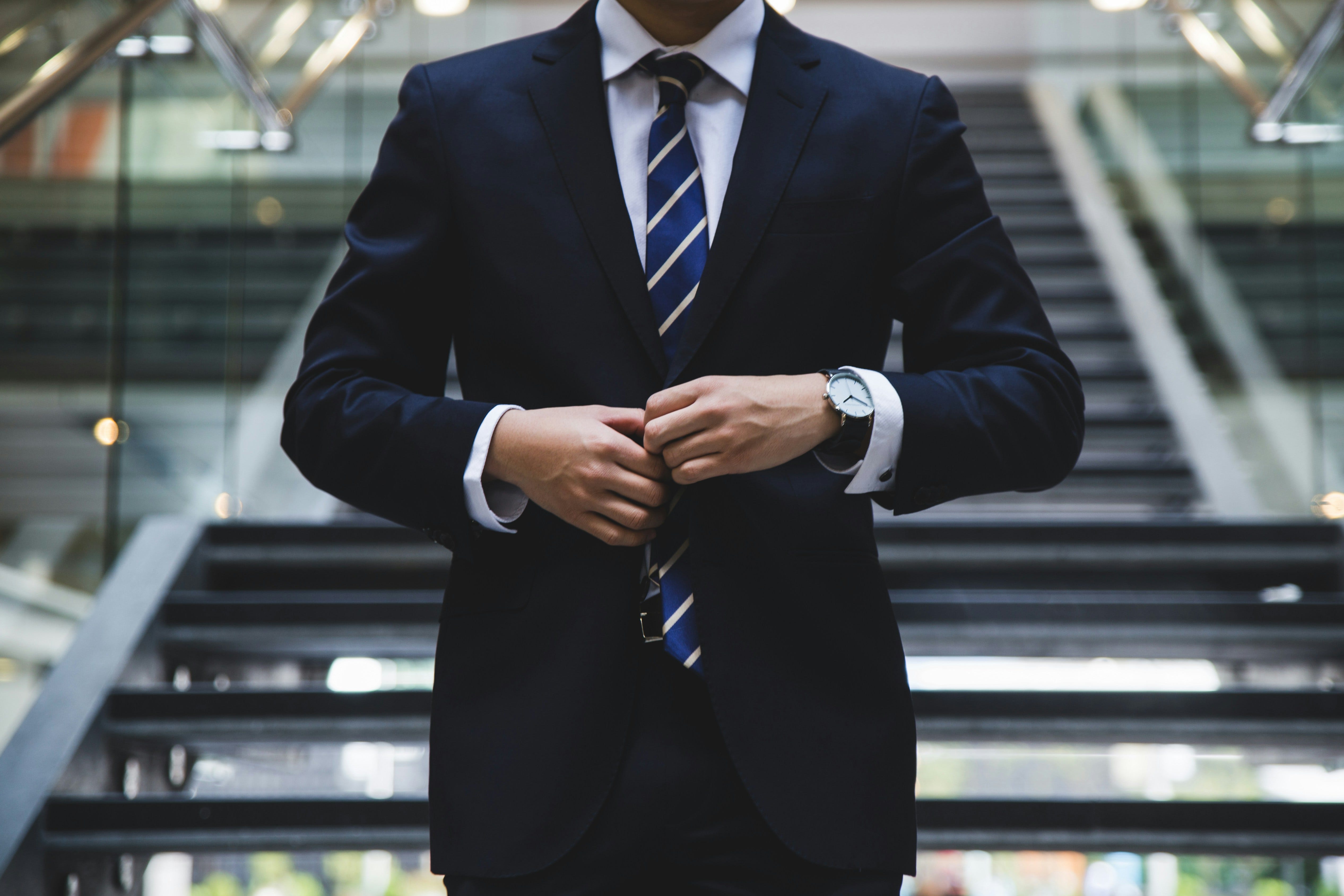
While ‘stiff suits’ are less common today, retailers such as John Lewis are noticing a resurgence in demand. By December 2025, tie sales were up 16% while suits were up 68%, showing some rebellion against casual wear.
What will the future of office wear bring?
It is unlikely that the majority of the workforce will return to the pre-pandemic levels of formal dressing for work, despite some companies insisting on it. While many other companies are pursuing ‘smart casual’ as the standard, the definition of smart dress is becoming more flexible, tailored to specific days and personal tastes.
Corporate styles have however made it into everyday wear, with more uniformed looks appearing on recent runway shows, and more structural pieces in high street shops suggesting a complete shift of purpose in formal dressing.