


Oil prices have risen again, and while it may seem like something that only affects governments and businesses, the impact is much closer to home. As we keep our fingers crossed that our summer holidays aren't cancelled and cut down our food shop and travel costs, prices are interrupting, challenging, and impacting human life.
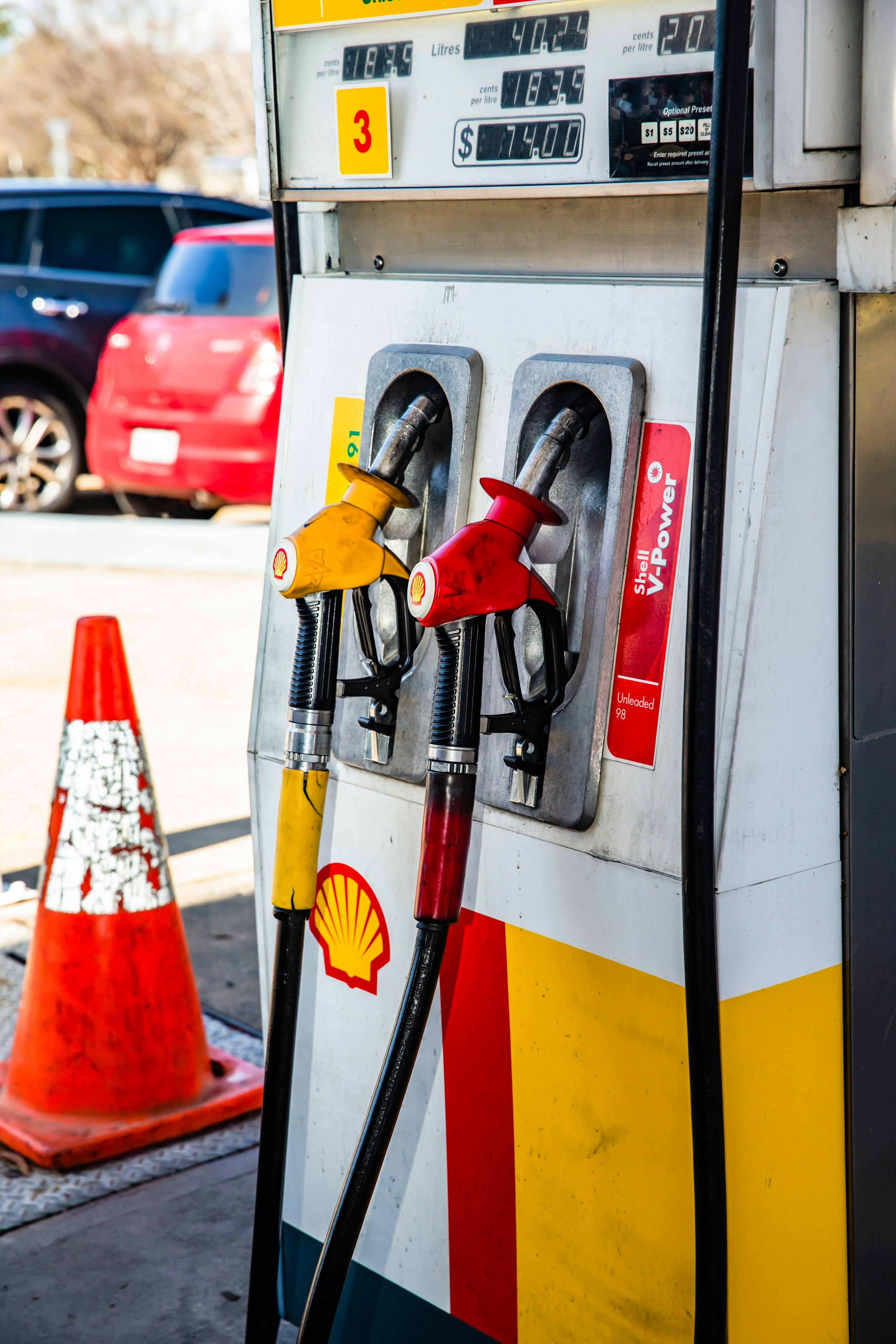
Oil prices are influenced by global supply and demand, political tensions, and economic instability. Recently, increasing tensions around key shipping routes like the Strait of Hormuz – one of the world’s most important oil transport channels – has increased concerns about supply distribution.
Around 20% of the world’s oil and liquified natural gas (LNG) tends to pass through the strait, but due to recent hostilities, the amount of ships transporting has dramatically declined. This has sent shock waves across the global economy and caused fuel prices to soar.
Decisions made by major oil producing countries, including those in OPEC (The Organisation of Petroleum Exporting Countries), mean that when supply is threatened or reduced, prices increase.
Donald Trump recently told the UK, ‘Drill baby, drill!’ meaning that he wants Britain to increase their oil drilling in the North Sea in order to boost oil supply and lower energy prices. In theory, this would eventually work – drill more oil, increase the supply, and therefore prices decrease.
But there is a big catch. In reality, this would take a really long time. According to the Energy Climate and Intelligence Unit (ECIU), most of UK oil is already depleted, and around 93% of North Sea oil has already been extracted, meaning that though new drilling would increase supply, it would not have a significant immediate impact.
Oil prices are also set globally, not just in the UK. So even if the UK did drill more, prices would not fall soon, and the UK would still depend on global markets.
When people think about oil prices, they often think about petrol costs. But oil influences far more than just driving. Flights, food and production, heating, and electricity prices are all impacted.
When oil prices rise, businesses often pass on higher costs to consumers, meaning that students may see higher prices across multiple areas of their lives. Students will experience higher utility costs in shared accommodation, increased food prices, more expensive bus and train fares, and expensive flights.
For international students flying to and from home, higher flight prices have practical and financial impacts – especially for those travelling long distances. The sparsity of fuel means that many long-haul flights are more expensive and some even cancelled.
This means that students may have to take fewer trips home, plan travel much earlier, or stay longer during the holidays to reduce costs.
Rising oil prices affecting inflation – the general increase in prices across the economy – means that interest rates may also stay higher for longer, affecting borrowing and the wider job market.
This may shape economic conditions for students entering the workforce in coming years as companies cut back on spending, influencing fewer hiring positions, and reducing the amount of pay raises. If graduates do achieve job positions, salaries may be lower than expected.
Looking ahead, oil prices may fluctuate as markets can change quickly. However, current global volatility may continue in the near future. For students, this highlights the importance of budgeting, planning ahead, and staying aware of economic trends.