


For decades, children’s weight struggles were met with playground games, portioned dinners, and dietary advice. Today, the response in paediatric healthcare across the UK looks very different: weight-loss jabs such as Ozempic, Mounjaro, and Wegovy are bringing a new reality to children who should still be worried about the playground.
Use of weight-loss medication (GLP-1) has increased over the past year, with an estimated 2.9% in adults, or around 1.6 million people currently using or having used GLP-1 treatments in the last twelve months. According to recent health surveys, nearly 7% of the UK population has tried them at some point. However, attention is now turning to a new question: how did the conversation shift toward children using weight loss injections?
An investigation by The Guardian revealed a sharp rise in GLP-1 prescriptions for young people. During the 2025 to 2026 period, healthcare providers issued 419 prescriptions to children under 18. In just four months between April and July of this year, 341 children received GLP-1 prescriptions, including 15 who were under the age of 12.
Graph Made by Me
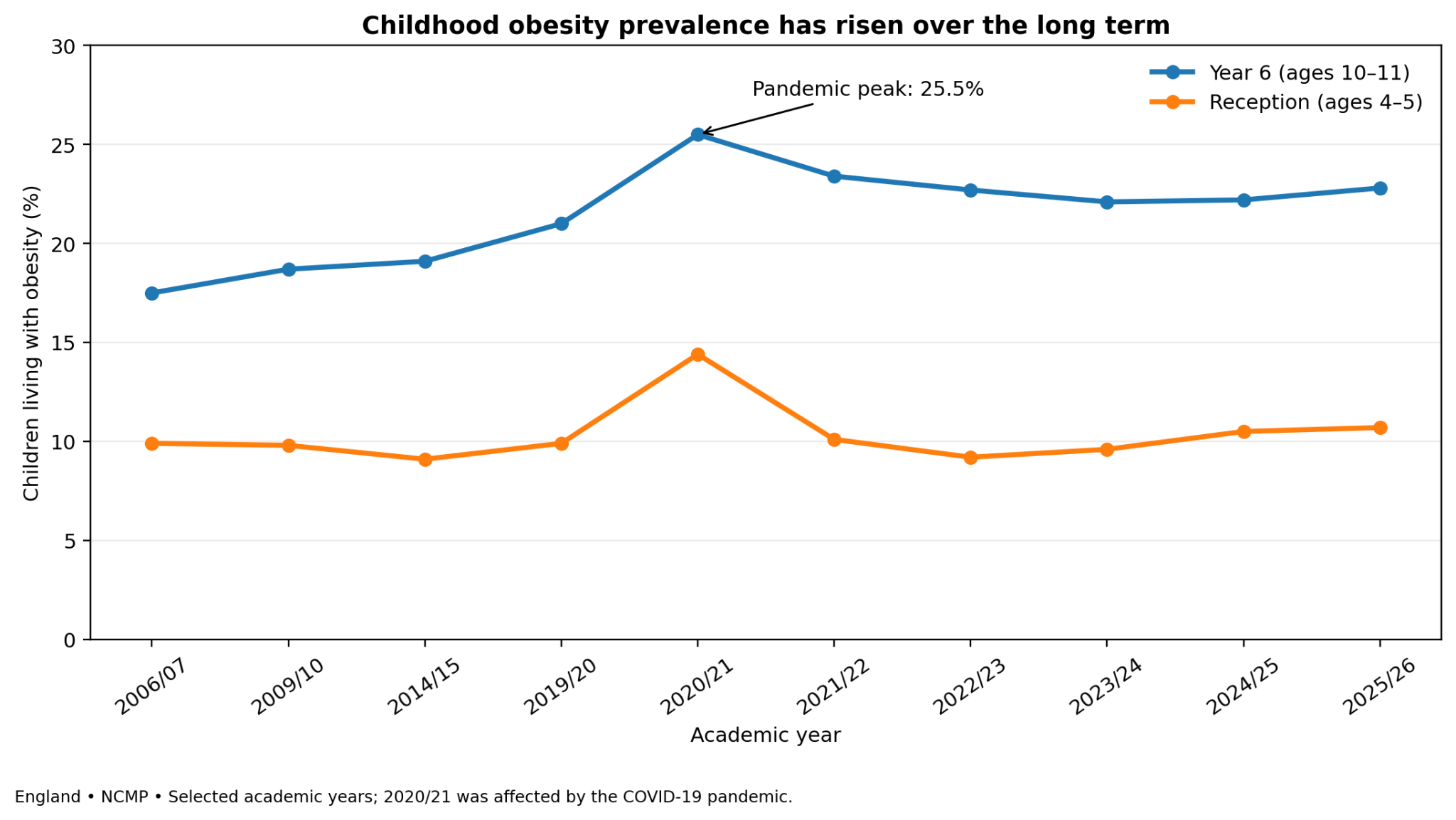
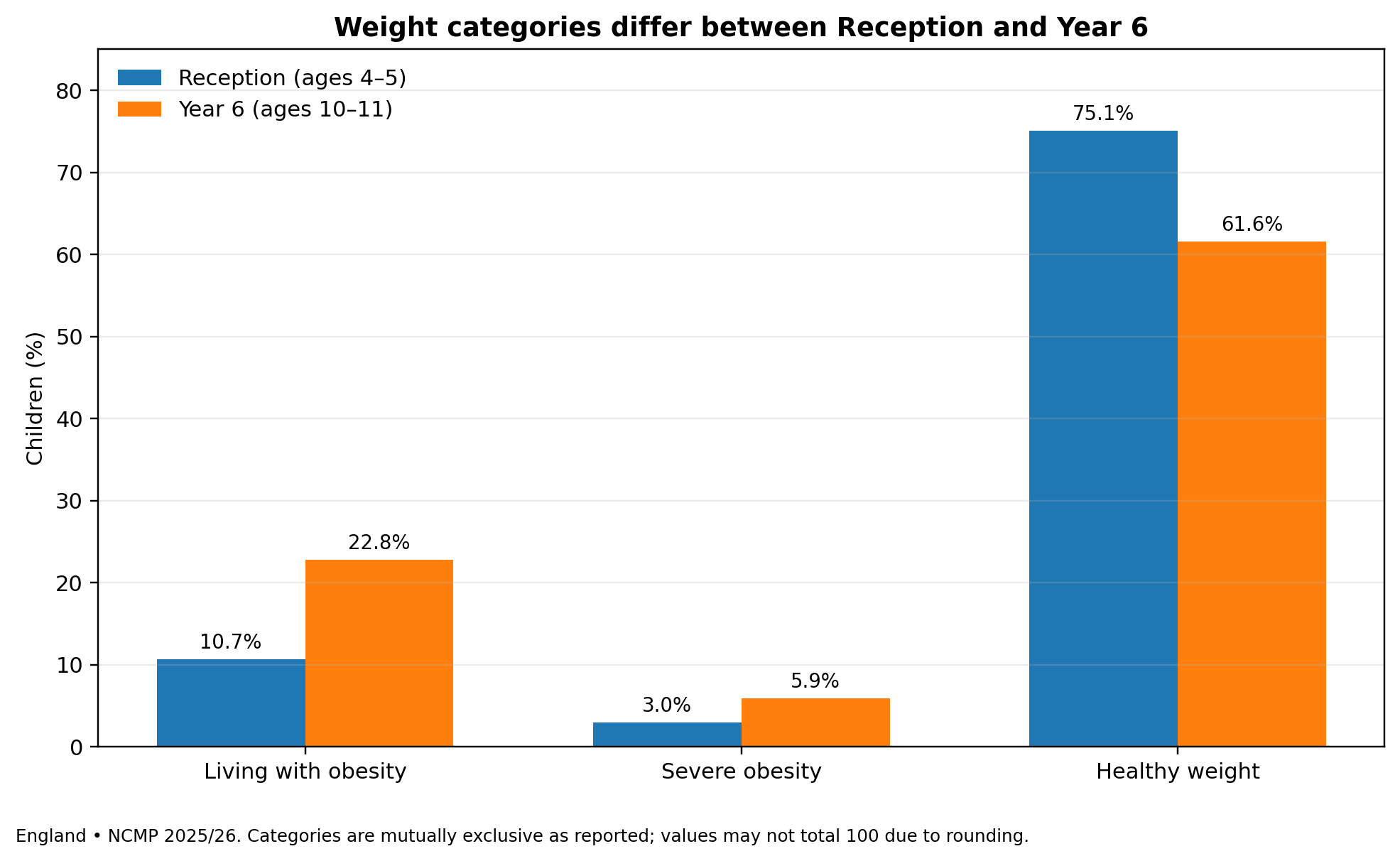
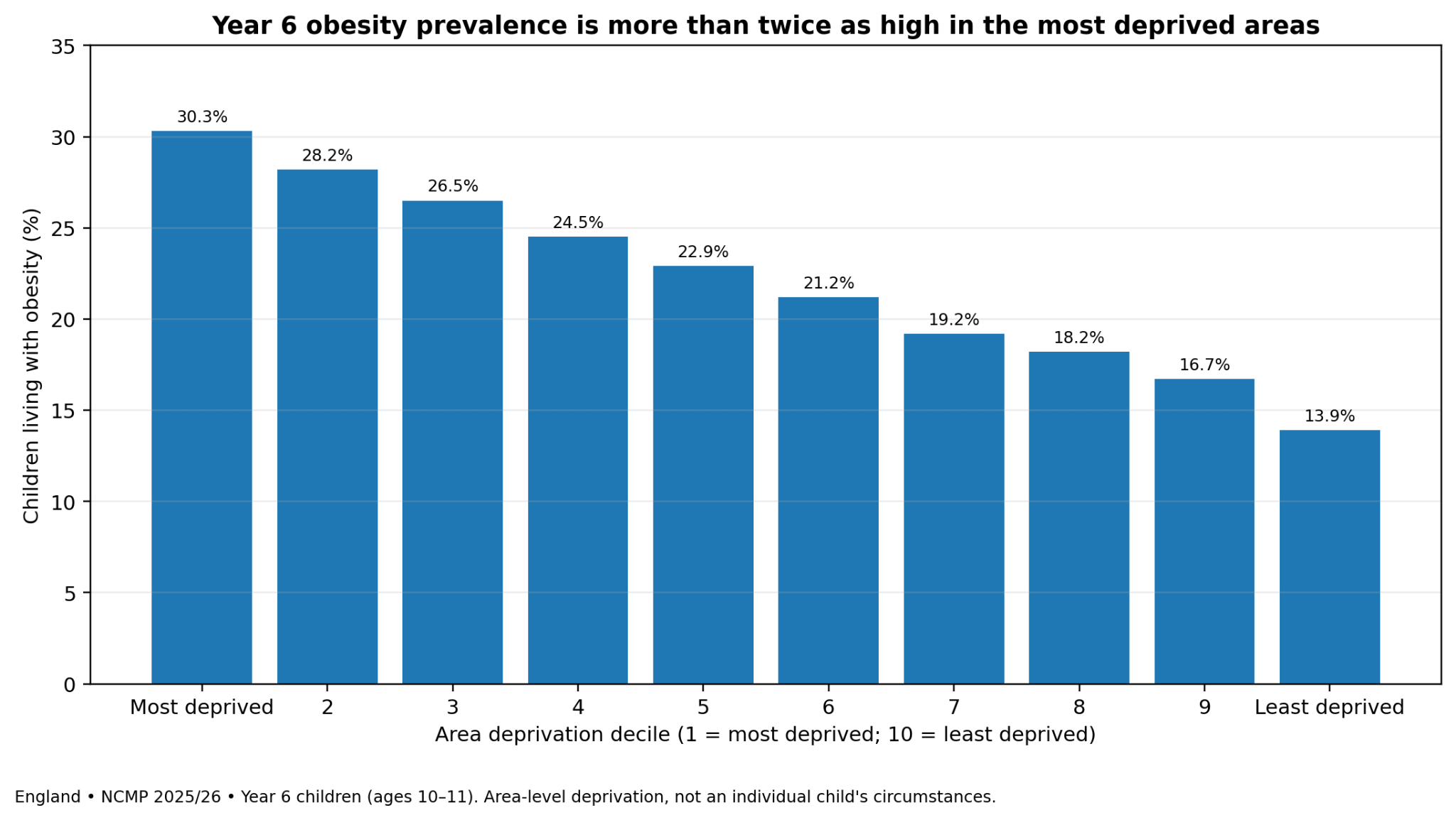
Childhood obesity remains a major public health concern across England. The latest National Child Measurement Programme figures for 2025 to 2026 show that 10.7% of children aged 4 to 5 and 22.8% of those aged 10 to 11 are living with obesity. This means more than one in five children in Year 6 are affected. The figures are even higher in deprived communities, where 30.3% of Year 6 children are living with obesity, compared with 13.9% in the least deprived areas. Among Year 6 pupils, 5.9% are living with severe obesity. These figures help explain why some children may require more intensive medical support. Carrying excess weight during childhood can increase the risk.
For some young kids, particularly those living with severe obesity or related health complications, lifestyle changes alone may not be enough. Medication can therefore be considered as an additional treatment, helping manage weight and reduce the risk of further health problems.
The National Institute for Health and Care Excellence (NICE) advises that weight loss medications for young people should generally be managed through specialist paediatric services, with strict limits for patients under 12.
Graph Made by Me
Graph Made by Me
It is also important to distinguish between medications intended specifically for weight management and those prescribed to treat type 2 diabetes. For instance, Wegovy (semaglutide) is approved for weight management in eligible young patients aged 12 and older who meet specific criteria, including weighing more than 60kg, while other GLP-1 treatments carry different age requirements and approved uses.
However, the safety and effectiveness of Wegovy have not been established in children under 12. This raises further questions about the Guardian’s findings, which included 15 children under the age of 12 receiving GLP-1 prescriptions. It is important to note that the figures do not establish which specific medications these children received or whether they were prescribed primarily for weight management.
Beyond physical health markers like blood pressure and blood sugar, starting weight management treatments during adolescence introduces complex emotional considerations. Teenagers are already dealing with self-identity, peer pressure, and intense body image scrutiny often heightened by social media, making regular injections a significant psychological commitment.
Pediatric specialists and mental health experts emphasize this balance: while effective treatment can relieve the social stigma and physical strain of severe obesity, it may also rely on ongoing medical care during a crucial stage of personal growth.
Because of this, clinicians view prescribing treatments like Wegovy not as a routine option, but as a critical step against serious health risks. Pediatric expert Dr. Julian Hamilton Shield notes that for adolescents facing health complications and persistent social stigma, medical treatment can provide “the first time they feel they have any agency in their lives at all.” Still, with obesity affecting over 10% of reception-age children in England and rates twice as high in lower-income communities, experts continue to debate whether relying on pharmaceuticals risks overlooking broader systemic and nutritional issues.
For some children living with severe obesity, these treatments can offer more than weight management. They may help reduce the risk of serious health complications, improve physical wellbeing and ease the social pressures that can come with living with obesity. However, while medication can be an important part of treatment, it does not remove the need to address the wider factors contributing to childhood obesity, including poverty, food environments and unequal access to healthy lifestyles.
Beyond the statistics, the ultimate impact of introducing weight-loss medications to young kids remains largely under-researched in terms of long-term effects. While clinical guidelines and specialists frame these treatments as a vital shield against severe adult health complications, they also tether growing bodies and developing minds to medical routines before childhood has even finished. The divide between affluent and deprived communities further complicates the picture, transforming what should be a public health priority into a complex conundrum of access and lifestyle.
Ultimately, these treatments offer a powerful tool, but they do little to alter the ultra-processed food environments and systemic inequalities that drive the crisis in the first place. As a new generation grows up in the shadow of the prescription pen, we are forced to confront a profound cultural shift.
When a problem affecting so many children is treated with medication, are we tackling the causes of childhood obesity, or risking long-term effects that could shape a generation’s future health with GLP-1?