


There is something counterintuitive about skateboarding. It asks you, again and again, to fail in full view of others, to fall awkwardly and visibly with no easy way to disguise it, and to persist where progress is slow, uncertain, and often painful. By most measures, it makes little sense to get on a piece of wood and go on a war against the g-force.
Yet, it endures, not just as a sport, but as a culture that takes shape in public, carrying traces of resistance to structure, authority, and the expectation of staying in designated places.
For Nicholas, an artist and coach within the Melanine Skate Gals and Pals(MSGP) community, the process itself is central. “Skateboarding is mostly failure. It’s about falling, getting back up, and trying again - over and over,” he says.
Once internalised, he adds, the logic extends beyond the board. “What I liked was the process: figuring things out, making micro-adjustments, reflecting on what you’re doing right or wrong. You can repeat something endlessly, but unless you reflect, you won’t improve. It forces you to think. It’s almost like a creative process.”
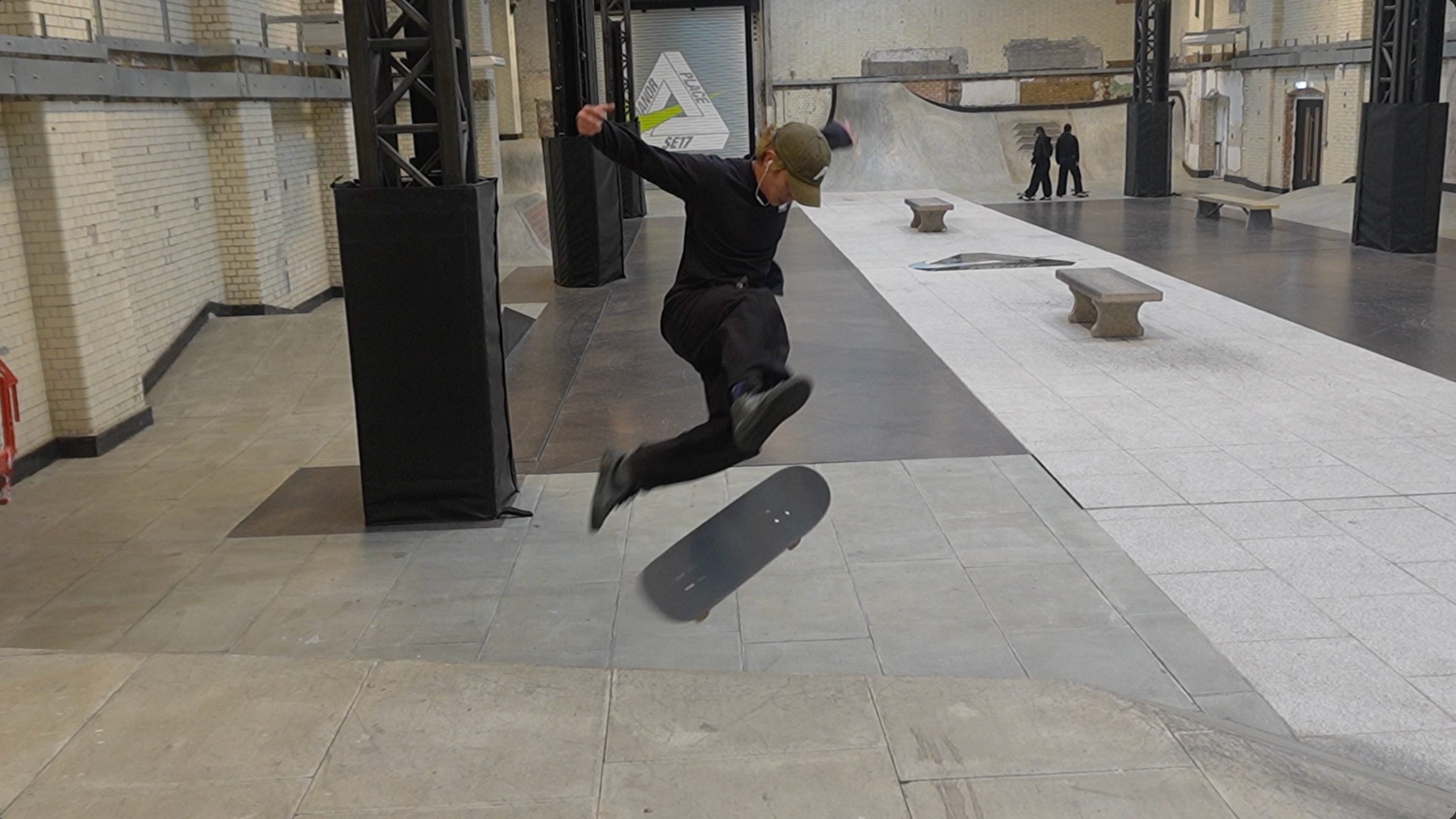
Where keeping your head down is culturally rewarded, skateboarding runs directly against that logic. It is less a matter of noise than exposure. To step onto the board is to accept being seen, even in failure.
“To skateboard, you have to take up space. You can’t shrink. You make noise. You fall. You get back up. In a world where people of colour are often told to blend in, especially in the UK culture of ‘keep calm and carry on,’ skateboarding forces you to be visible.” Says Marie-Ermelinda Mayassi, the founder of MSGP skate collective, known as ‘Maz’ within the community.
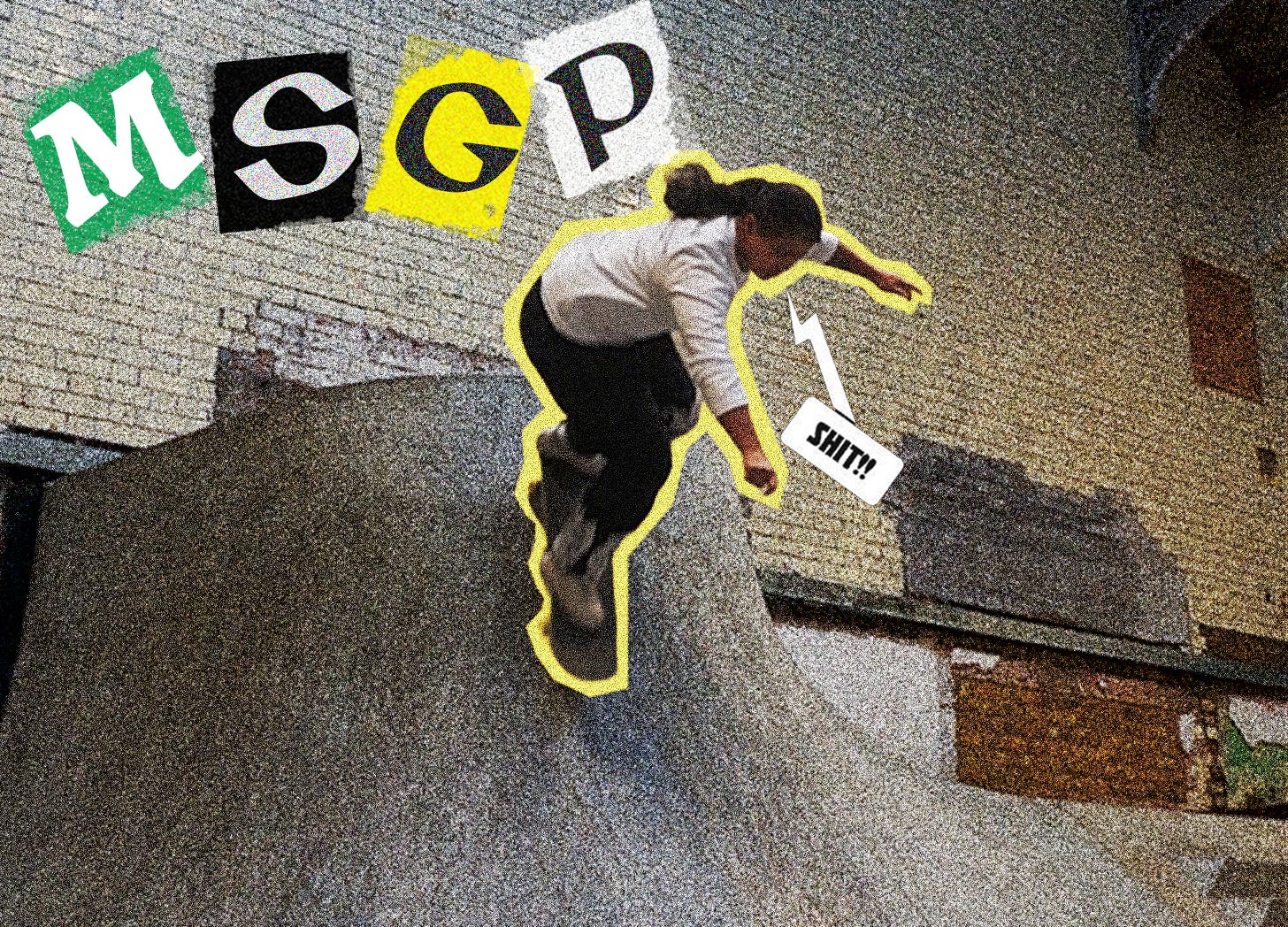
MSGP began simply, with a Facebook post and a few informal meet-ups in London’s Olympic Park. At first, it was merely flat ground skating. No infrastructure nor formal structure. People showing up, trying, and staying.
Then it quickly became clear why it mattered. Many who came had never felt comfortable in traditional spaces. Not because they lacked spaces, but because they lacked a space within them.
“Skateboarding became a way to create joy and emancipation for black people and people of colour. It’s about play, creativity, and meeting others outside the 9-to-5. It challenges limiting beliefs and the everyday impact of racism. It builds solidarity,” says Maz.
Even though that purpose took shape, it went largely unrecognised. “For a long time, the wider skate scene didn’t fully recognise our work,” she adds.
Whereas, on the ground, something was already building up. “When National Geographic listed the Olympic Park among the top ten skate spots in the UK - even though it wasn’t technically a skate park, just flat ground we activated - it showed the power of community.”
“Later, working with partners, we helped build an actual skate space in Olympic Park. That gave us a safer, more permanent home. Adult beginners, especially, can feel exposed in traditional skate spaces. Having our own space changed that.”
As more people showed up, informal sessions turned into lessons. Those who stayed were encouraged to teach. After enough sessions, potential coaches were supported through formal Skateboard GB qualifications, creating pathways that hadn't been spotlighted before.
Over time, the community expanded beyond the sessions themselves. Workshops, creative projects, and paid opportunities began to take shape, often led by members of the group. What began as a gathering became more deliberate. Visibility turned into structure. And structure into opportunity.
“Since we started, we’ve worked with around 3,000 to 4,000 people. We’ve provided over 400 paid opportunities - coaching, DJing, creative roles - often hiring directly from our community.”
That presence now carries into other spaces. At 33 Manor Place, a free indoor skate space developed with Nike and Palace, weekly Sunday sessions continue, drawing in new skaters and first attempts.
What keeps them there is not simply access, but the process of the struggle itself. As Nick puts it, “Being unafraid to scrutinise yourself, to reflect deeply; that’s essential in both skating and art. Skateboarding taught me how to deal with failure. Nothing else feels as overwhelming. You understand that struggle is just part of the process of getting better.”
Skateboarding, today, is no longer confined to the margins. Olympic inclusion, global brands, and commercial growth have brought it into wider view. But not everyone has been brought into that visibility equally. The gap is not always explicit. It exists in who is seen, who is supported, and who is expected to belong. In that context, spaces like MSGP do more than create access. They shift the terms of visibility itself.
Meanwhile, the question of who gets to be seen extends beyond London. In other parts of the world, skateboarding continues to grow under different conditions. MSGP’s work across African countries reveals a landscape rich with talent and energy, yet less visible within the global conversation.
For Maz, the aim is not simply to diversify skateboarding but to shift awareness. By 2030, she hopes that skaters in the UK will know their counterparts in places like Senegal, Ghana, and South Africa. Not as distant scenes, but as part of the same culture.
Back on the concrete, the rhythm is familiar. A board slips forward. Someone hesitates, steps on anyway, then either falls or rolls away.
Here, to stay is to learn. To learn is to be seen.