


I hate my phone. And I hate myself for using it so much. In fact, I have looked at it every day for the past 4,975 days of my life.
So what if I just got rid of it?
07:15 am — My alarm rings. My first action of the day is not looking at Instagram and checking my email. I miss bathing my eyes in the bright colours of my phone.
The start into the first day of my week-long self-experiment living without a smartphone was reluctant. But I am not alone in wishing to get rid of it.
‘I hate my phone’, ‘I think it is a bit of a burden sometimes’, or ‘I thought about getting a flip phone’ is what you hear when asking around a university campus in Oxford.
While young people value their phone’s connectivity and productivity features, they say ‘it does hinder one’s freedom’ and costs them ‘so much time that I could be spending on things that are just more enjoyable.’
Indeed, research shows that 39% of the UK’s Gen Z think that social media has done them more harm than good. And almost half of young people would rather have grown up in a world without the internet, according to a recent poll.
But: a different survey found that a majority of young adults still think that digital technologies improved their lives.
07:45 am — I’m brushing my teeth without watching a YouTube video. So boring. I’m alone with my thoughts.
Some progressives are living like this every day, without any modern technology. ‘You’re totally liberated and you never think about going back,’ said August Lamm, an anti-tech activist based in New York.
It took the 30-year-old writer three years to fully transition into her analogue life. ‘It’s just minor inconveniences or slight changes in your life because you can’t do everything. But overall, I have a much richer life. I’m much happier and more present and focused and grounded.’
08:15 am — I’m working out without listening to music or a podcast. I think I am more focused.
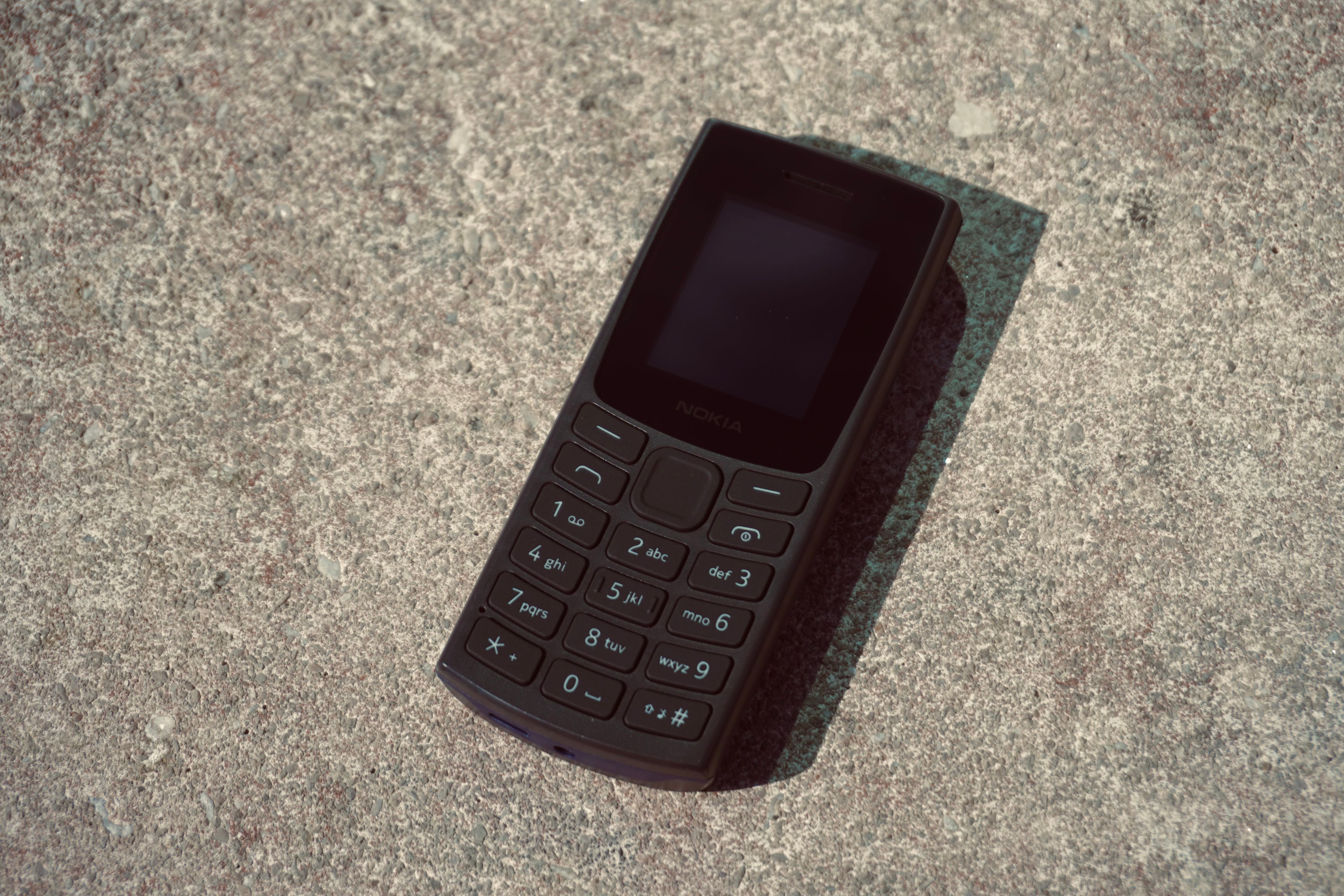
I wanted to scratch the surface of what Ms Lamm was describing. For my experiment, I got a Nokia. It has basic functionality and lets you play Snake. It didn’t work with my international SIM card.
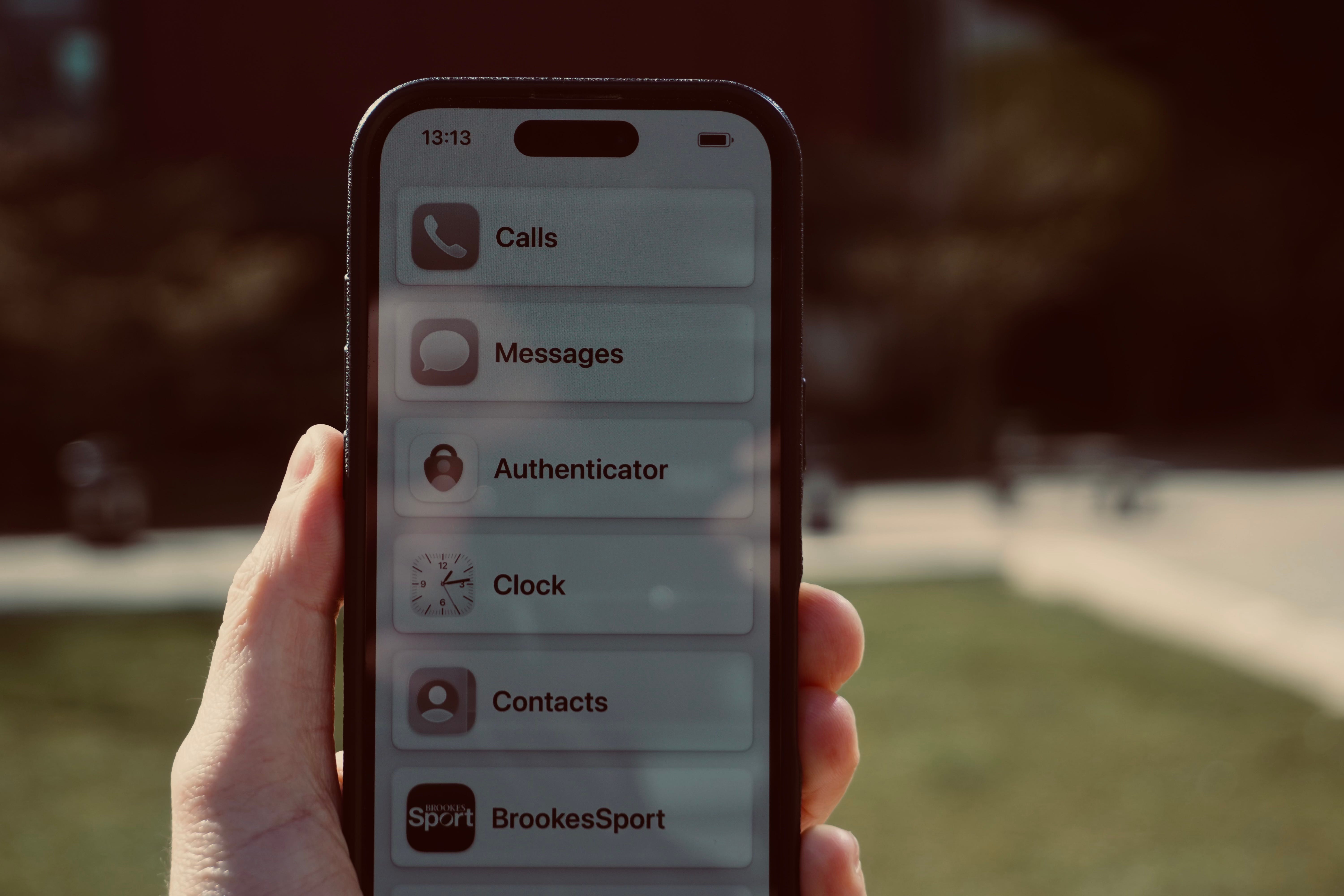
Using Assistive Access, I put my iPhone into ‘dumb mode’ instead, restricting its functionality to that of the Nokia.
The self-imposed rules of my experiment still allowed me to use my laptop. However: only on the uni campus, and only for uni work.
09:00 am — I still have not checked my email and WhatsApp messages. I’m getting anxious.
Apparently, we have gotten used to numbing aversive feelings like that through technology. ‘What’s being normalised is that if people are feeling anxious, or bored, or sad, or worried, or grief, or whatever, they’re almost like: “oh, this is bad. I can’t handle this,”’ explained Dr Elaine Kasket, a chartered member of the British Psychological Society’s cyberpsychology section.
Modern technology is responding to our longings. It is ‘exploiting something that is already in us,’ said Dr Kasket.
‘Our minds are naturally very distractible. They’re very jumpy. They’re very hedonistic. They look for pleasure and distraction and avoidance of pain.’
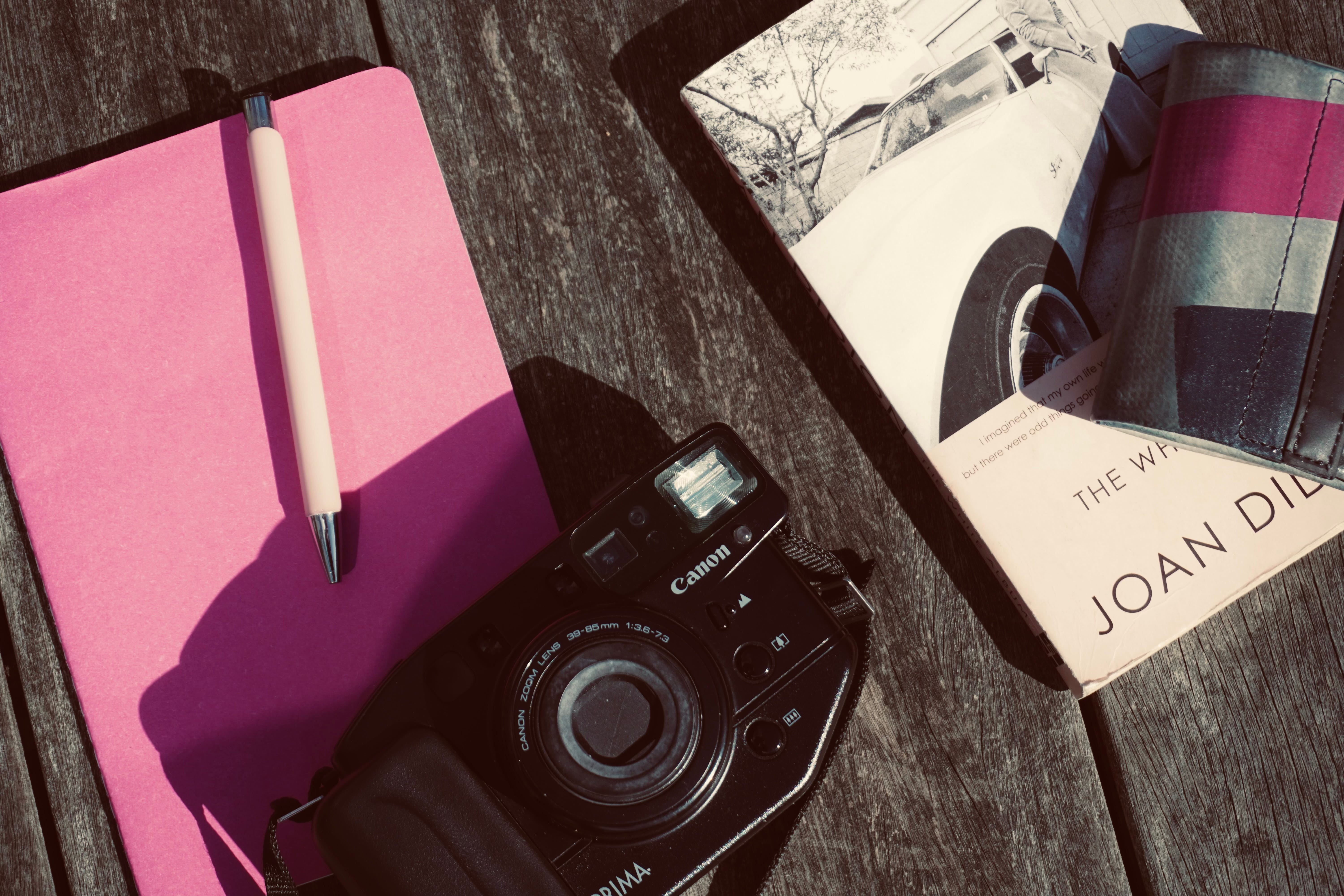
01:00 pm — I’m having lunch without listening to a podcast. I read a magazine instead and feel cool, better than my usual weak, addicted self.
‘We end up judging ourselves as though it’s some kind of personal failing,’ said Dr Kasket. She criticises the narrative that locates the reason for our unhealthy relationship with technology in the individual.
‘You’re like a victim of gaslighting. Where you’re like: “oh, I’m the problem.”’
She described multiple influences on our smartphone usage: we are being incentivised to use them for everything, from plane tickets to government services. They follow the principle of behavioural reinforcement, instantly gratifying us. And we are influenced by the behaviour of those around us.
03:00 pm — I’m meeting my friends, without any distraction from my phone. I value their company way more than usual.
Anti-tech activist Ms Lamm said that some of her relationships had become more complicated. That is why the university students I interviewed stick to their phones: They don’t want to be ‘out of touch with my friends, not being able to communicate in the same way.’
06:30 pm — I’m at Tesco and cannot use the Clubcard and credit card in my digital wallet. Annoying. I also cannot access the group chat with my friends to see if they want to meet up.
Ms Lamm agreed that there are many advantages to modern technology. Yet: ‘at the expense of every single person’s enjoyment of life.’
However, there is an argument for differentiating between good and bad tech usage. Dr Kasket thinks that we should not blame our phones for all of our social and emotional problems. Instead, it is all about finding out which features enrich our lives and which don’t.
08:30 pm — I’m not watching Netflix, I’m not doomscrolling. Instead, I’m now addicted to the Game of Thrones books. My day feels more quiet. I’m content.
‘This is your one life, and when you think about this decision of whether to have a smartphone, you’re thinking about how much time you want to have in your life, how much control you want to have over your life,’ said Ms Lamm.
‘And I think everyone who’s considering switching to a dumb phone knows deep down that they would be better and happier and there would be less tension between the person that they want to be and the person that they are.’
I did not miss the constant content consumption, nor being reachable all the time. But I did miss my phone’s functionality and being in touch with my friends and family.
I’m torn between Ms Lamm’s utopia and Dr Kasket’s pragmatism.
I’m only sure about one thing: I deleted Instagram and never looked back.