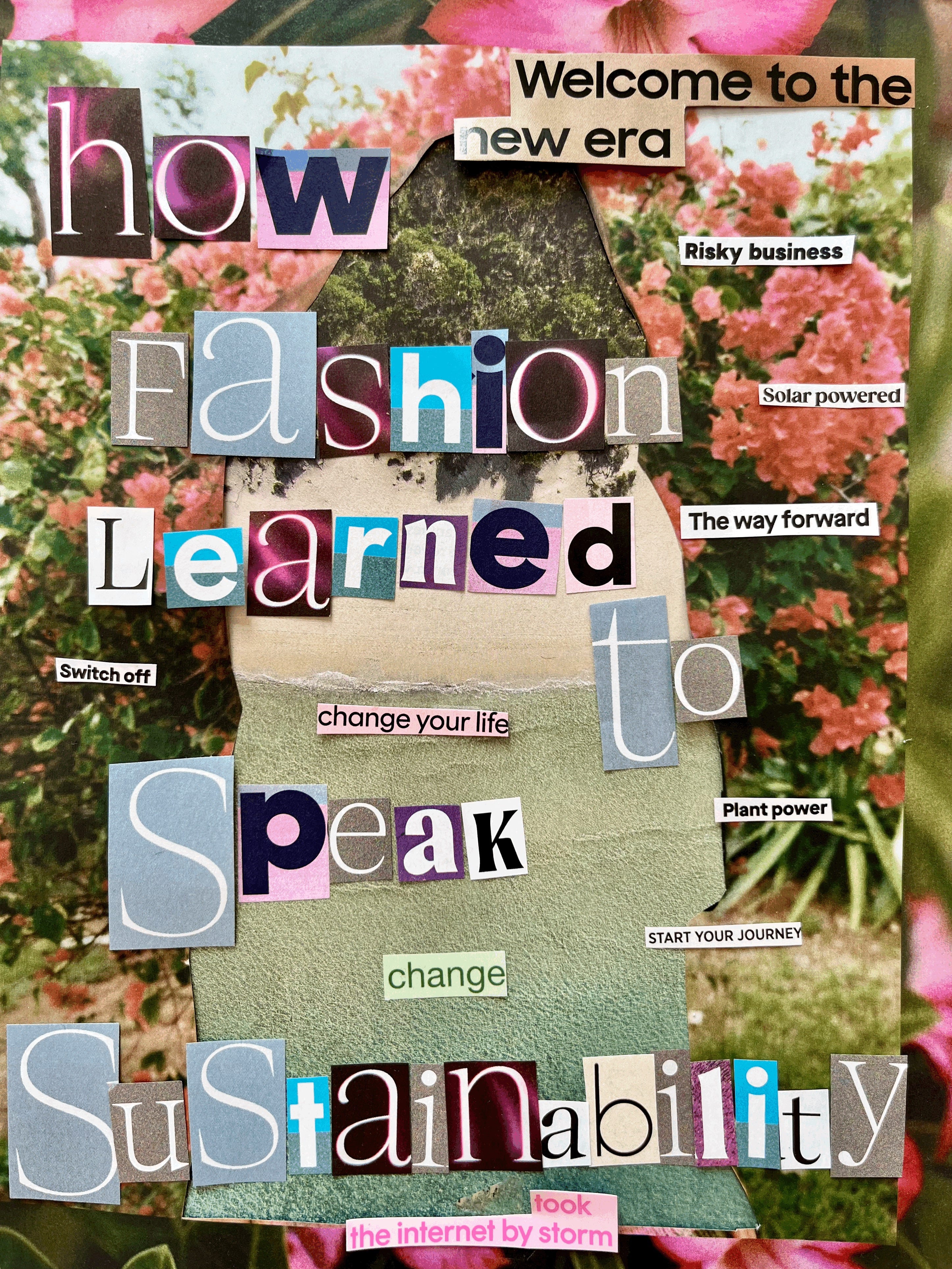

Three in five Britons say sustainability is important when buying fashion. Yet ultra-fast fashion brands such as Shein remain among the fastest growing retailers in 2025, and young consumers are among the highest intensity buyers and returners.
This contradiction reveals how sustainability now functions as the central narrative shaping how fashion defines brand value, corporate responsibility, and future growth. From product labelling to corporate reporting, environmental vocabulary increasingly frames how brands portray themselves and justify their practices. The question is, however, whether this shift reflects transformation or simply reframes business as usual in greener terms.
For Cathy d’Abreu, senior lecturer in Education for Sustainability at Oxford Brookes Business School, the shift must be understood within a broader crisis context. “The poly crisis of biodiversity loss, spiralling social inequalities and the climate crisis are all placing businesses in a very different terrain with lots of challenges,” she says. Sustainability communication, in this sense, is not accidental. It is a response to mounting ecological pressure, regulatory scrutiny, and cultural expectation.
But awareness alone does not drive change. “More and more, we’re realising that emotions play a crucial part, not just in how we feel about climate change or its impacts, but also about the effect on our pro-social or pro-environmental behaviours,” d’Abreu explains. For decades, sustainability campaigns have been launched in the hopes that educating the consumer would encourage behaviour. Research now suggests otherwise.
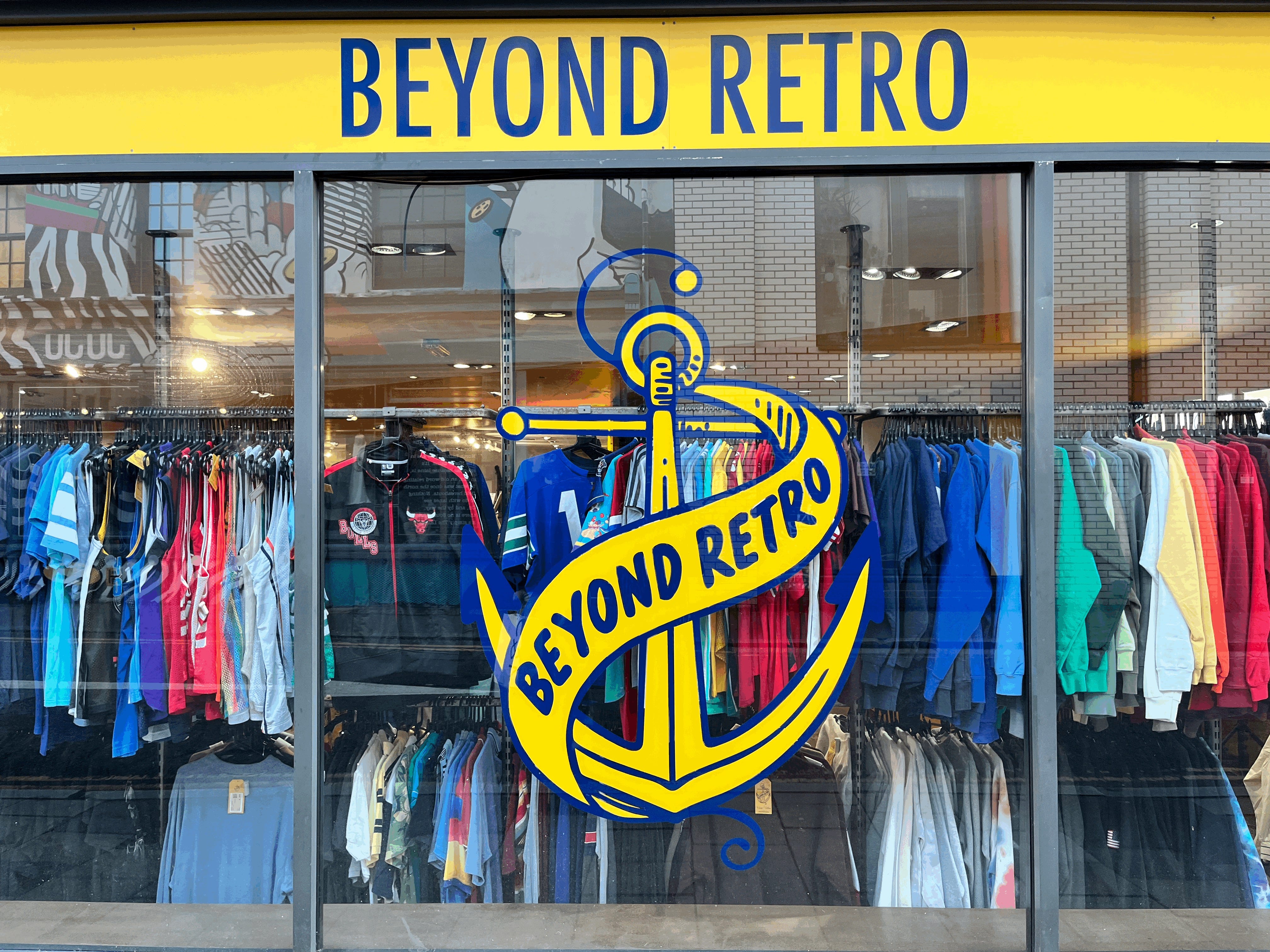
‘Beyond Retro’ (Gracie Pratt, 2026)
The gap between expressed values and lived behaviour is visible across generations, suggesting that the drivers of environmentalism extend beyond demographic differences and into deeper cultural and economic structures. While a majority of Britons say that sustainability matters when buying fashion, only 41% of Gen Z claimed to have recycled packaging in the past year. A quarter of Gen Z and Millennials now buy second-hand, a slight increase year-on-year, and 25% of the youngest Gen Z consumers agree they are buying fewer items overall. Yet high volume, low cost retail continues to expand, supported by significant purchasing and high return rates.
The difference, d’Abreu argues, lies not only in action but in the way sustainability is communicated. In her research, she distinguishes between what she calls Transformation Washing and Transformation Wishing. Transformation washing, she explains, is the “deliberate exploitation of sustainability for financial gain or financial market share.” In these cases, sustainability language is used strategically, with little intention of changing the underlying business model.
She contrasts this with transformation wishing, where there is “good intention behind it, but there’s not a lot of substance to how that’s put in place.” Here, organisations may genuinely want to be more sustainable,, but their efforts remain surface level, focused on incremental adjustments, rather than the deep systematic change required. The risk, she suggests, is that both approaches can look similar from the outside, making it difficult to distinguish between meaningful transformation and carefully managed perception. Transformation can be adapted to “ride the wave” of the popularity of the term without actually engaging in deep, systemic changes.
In fashion, systemic changes would extend beyond material substitutions or capsule collections to consider production volumes, growth targets, and the tempo of trend cycles themselves. Much of the industry’s sustainability discourse focuses on fabric innovation or resource efficiency, yet rarely challenges the main structural issues that drive environmental impact. At the heart of the sustainability debate lies a more uncomfortable issue, consumption. “For me, hyper consumption is what is driving a huge proportion of the crises that we’re going through,” d”Abreu says.
“Making more sustainable products with better supply chains and more equitable working practices is not going to result in a more sustainable future if we’re all still buying lots of things.”
The business model underpinning ultra-fast fashion illustrates the tension clearly. “The whole business model is built on pile it high and sell it fast. And there’s no way that we can furnish that within Earth’s limits.” As long as fashion remains dependent on the constant increase in production and purchasing, improvements in sustainability for fashion brands will constantly be offset by the scale of overall consumption.
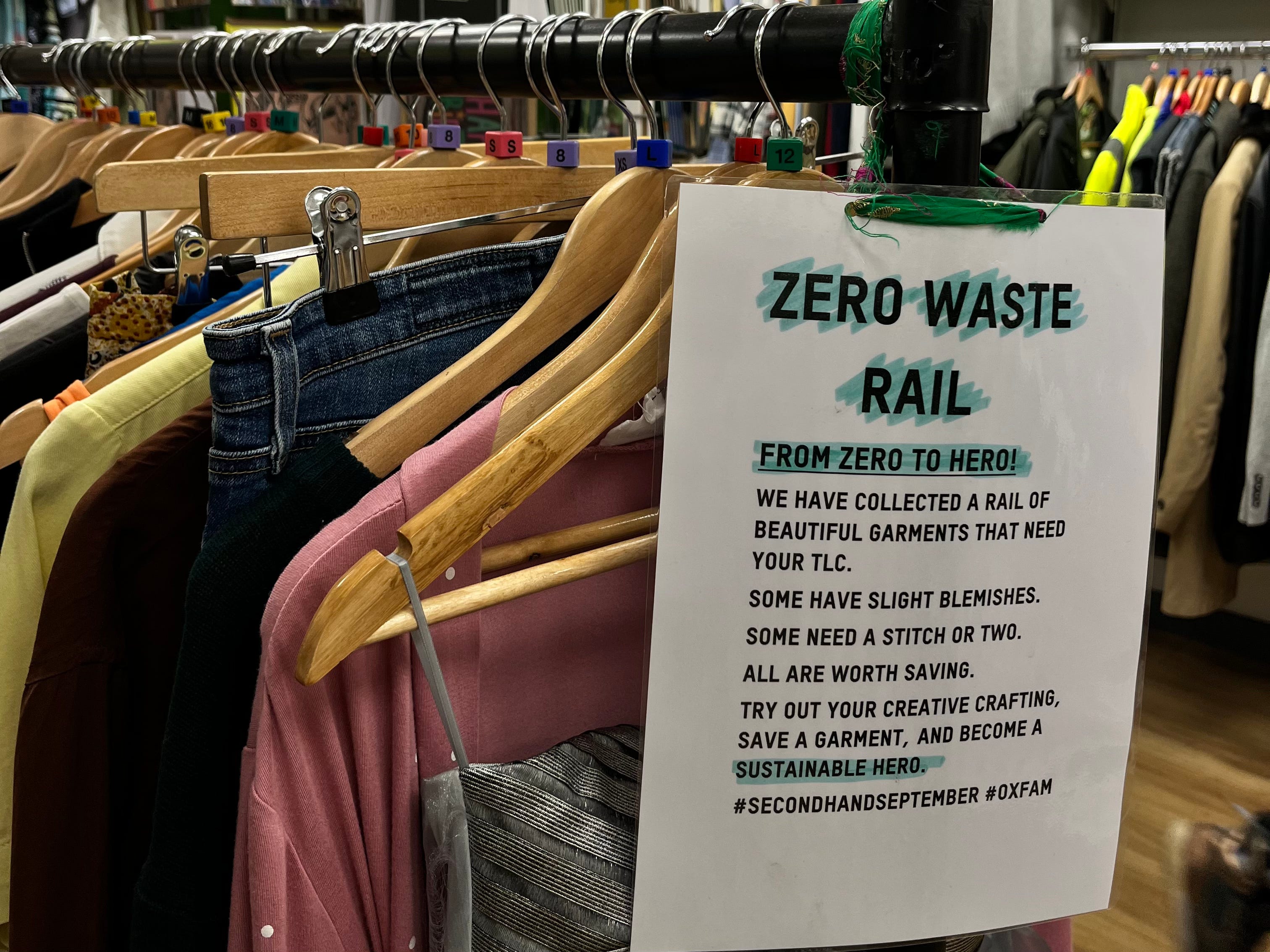
‘Zero Waste’ (Gracie Pratt, 2026)
In contrast to typical fast-fashion retailers, a Brighton-based second-hand store To Be Worn Again attempts to challenge this model through the resale of vintage and deadstock garments. “We don’t sell any new clothes. We just give dead stock another life rather than letting it go to landfill,” employee Evie explains. “A lot of customers come in specifically because they want something unique and with a story.”
Yet this contrast also points to a deeper cultural question: what emotional need does consumption fulfil? According to d’Abreu, advertising has long been built on a deficit model. “A lot of consumption and the basic premise of advertising is that you are not good enough, pretty enough, smart enough, stylish enough, but if you buy this product, you will be,” she says. “People buy things for that feeling, but it doesn’t fulfil that desire.”
Historically, products were marketed for durability or craftsmanship. Today, particularly in the fashion industry, clothing is increasingly promoted as a form of personal identity and social signalling. Sustainability messaging can also serve this signalling function for brands, creating the appearance of ethical awareness without necessarily changing the underlying consumption patterns that remain central to the industry.
For meaningful transformation to occur, d’Abreu suggests, emotional perceptions must shift. “This will raise an emotion in people that is uncomfortable. That’s where I’m hoping the transformation is going to happen, that they’ll think, well, actually, I don’t feel comfortable about this, because I know what impact this is having.” Discomfort, rather than reassurance, may be the catalyst. Still, responsibility cannot sit solely with the individuals, as collective shifts require structural support.
“I think consumers have power collectively, so the choices that they make are really important,”
Sustainability is now embedded in the language of fashion, evolving rapidly in response to crisis and scrutiny. Whether the system itself evolves at the same pace remains less certain.
Awareness is building. Second hand markets are on the rise. Some consumers are buying less. Yet production remains substantial, growth is a priority, and meaningful transformation remains difficult. Fashion has learned to speak sustainability fluently.
The question now is whether sustainability is redesigning the fashion industry, or simply upcycling its image.