


The disparity between commercially successful artists and emerging independent musicians is broadening, and financial access continues to determine who can sustain a career in music. From an outside perspective, it may seem that talent alone is enough to succeed and grow to fame within the music industry, however many artists have expressed that reality is different.
Industry Insight
Famous musicians such as Sam Fender, Tom Misch and Adele have publicly discussed how the cost of equipment, studio time and unpaid labour influence who is able to build and sustain a career in music. It is no secret that emerging artists are struggling to find the money, time, equipment or industry connections to get their music heard.
Youth Music, a charity supporting grassroots music-making projects, revealed a telling statistic within their 2025 Diversity Report titled ‘Just the Way It Is?’. They found that 70% of young people in music industries cite insufficient funding and earnings as the main barrier to pursuing a career in the industry.
Sam Fender exclaimed the music industry is “rigged” against the working class, stating the industry is “80 percent, 90 percent kids who are privately educated” who are likely to have access to so much more. Access to industry connections, recording equipment, music studios, audio interfaces, DAWs, studio monitors etc. and the additional support needed to produce professional sounding music.
Echoing Sam Fender’s concern, The Guardian 2025 analysis found that almost a third (30%) of artistic directors and other creative leaders were privately educated, compared to a national average of 7%.
Over the last four decades, a string of academic reports entail how the arts have become increasingly elitist, with the music industry standing centre in this change. One piece of research reveals that the proportion of working-class actors, writers and musicians has shrunk by half since 1970.
However, emerging singer-songwriter, Lily Marsland, does not fall into this category.
Student Singer-Songwriter, Lily Marsland
As a full-time student herself, Marsland still releases well-produced folk, indie music on streaming platforms such as Spotify. Alongside this, she regularly plays gigs at live music venues such as The Exchange or The Louisiana in the city of Bristol. But her success is not pot luck, yet more a linear product of her love for music, hard work, grit and determination.
Marsland opened up about the financial setbacks that occurred during the making of her debut single ‘Butterfly Effect’, stating that “if you do not have the facilities at your fingertips, it is incredibly hard to record”. She goes on to say ,”it is hard to start because even just starting out is a big investment and you have to have a lot of trust in yourself”.
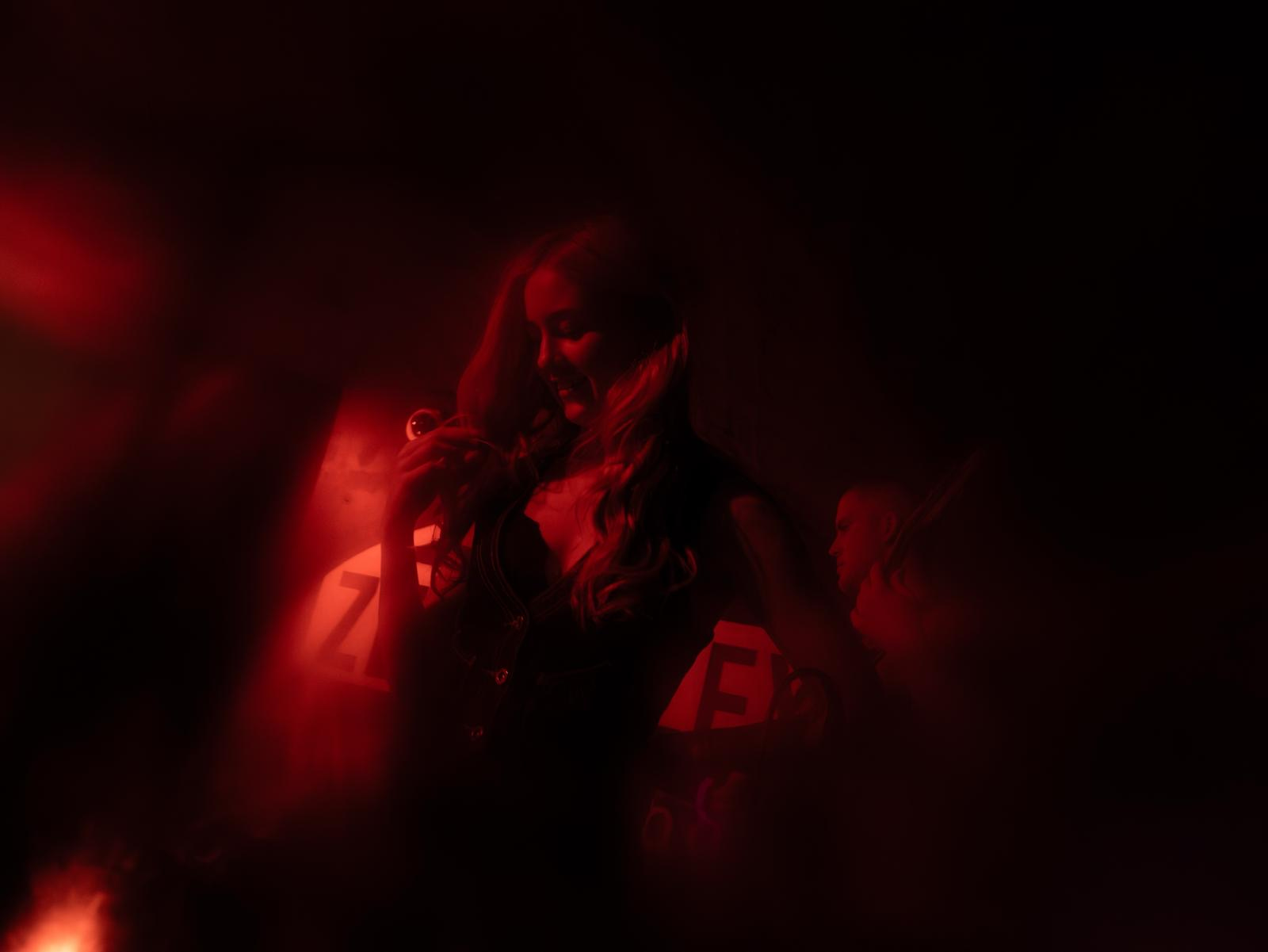
‘Butterfly Effect’ was released on Spotify February 1st 2026. Marsland detailed how “you have to pay to get your song on a streaming platform (like Spotify) and then pay more to promote it” which alongside the cost of equipment and studio time “does build up for an independent artist”.
This begs the question - is this sustainable?
Another setback today’s emerging artists face is the density of the music industry. Without industry connections, it is significantly harder to get your voice heard. Yet in Marsland’s professional and personal opinion she believes, “experience is probably more valuable - getting to work alongside other artists and putting your music out there even if it is in the form of unpaid gigs”.
Talent vs Love
Talent alone may not be enough but the most evident common denominator that runs through both student artists like Lily Marsland and professional musicians like Sam Fender, is the pure passion and love for the art.
The softly spoken opening lyrics of Tom Misch’s song ‘Before Paris’, released in 2018, exemplify the importance of this pure love.
He sings:
“If you’re starting to be a musician or artist”
“Or something like that”
“Because you want to make money”
“Because you wanna do a job”
“That’s the wrong way”
“You have to do this because you love it”
“You have to love it and breathe it”.
Sustainability and the Future
The Guardian 2025 analysis found that fewer than 1 in 10 arts workers in the UK had working-class roots. One major cause for this is the cost to keep producing music; in reference to both money and time.
As Marsland clearly stated “people’s time is money”.
Unless you’re a commercially successful artist, it is not a financially secure or sustainable career. Music charities such as Help Musicians provide funding for emerging independent musicians to help bridge this gap.
Patrick Fennelly, Ambassador and Media Relations Manager, at Help Musicians states:
“Whatever stage a musician is at, we want to equip them with the skills and resources to thrive”.
Ultimately, the future of music depends on whether the industry can become more accessible to those without financial privilege. It is also dependent on ensuring passion, rather than privilege, continues to determine who gets heard.