


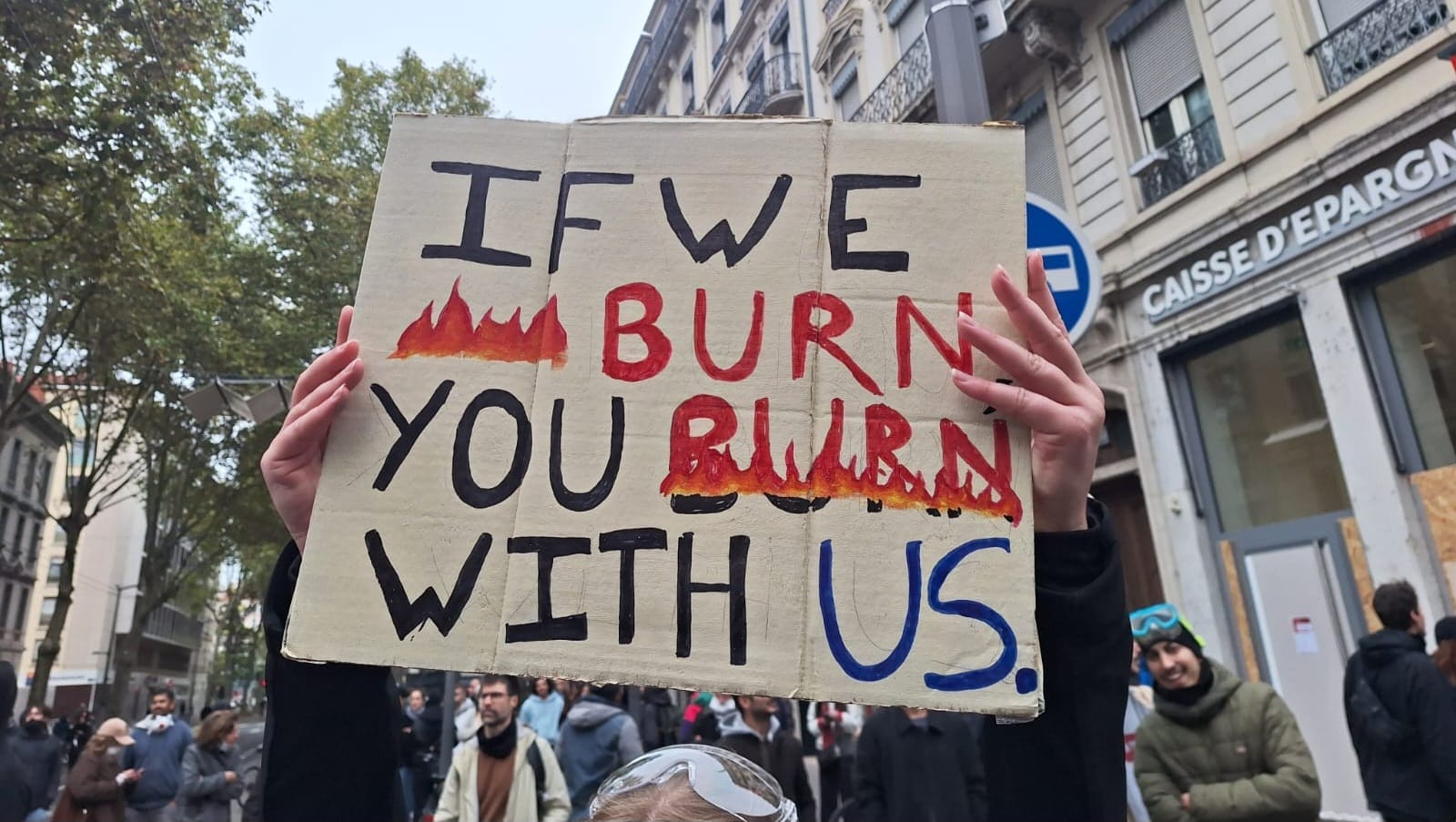
As protests intensify in France on 5 November, with nearly 700,000 demonstrators expected — including 80,000 in the capital — the United Kingdom seems reluctant to get more involved. Yet, British youth face the same issues as their French counterparts: teacher shortages, deteriorating school buildings, rising student debt upon graduation and, more broadly, difficulties entering the job market and the cost of living. “We’ve got the same problems here. It’s surprising that so few people are joining the fight,” says Helene, 52.
Here or even internationally. The demands of what is known as Gen Z are indeed spreading across Europe, from Italy to Germany, via Greece. The movement is bringing people together and gaining widespread support, including in Oxford, where residents have expressed positive attitudes towards it. “I would support them. I think it’s always good to seek change and help society evolve,” says a student in his twenties.
But this support is not translating into collective action. “It seems that British people in general don’t protest as much. It’s not in their culture,” observes Oak, 21, who is originally from the US but has been living in the UK for several years. This is a point raised by many people, some even referring to “a general apathy of the English,” as Helene puts it, or “the weakness of the English nation when it comes to this kind of thing,” according to Loren, 31.
This apparent lack of enthusiasm may also be reinforced by “a lack of organisational resources,” according to Helene. Indeed, trade union membership in Great Britain has declined significantly over recent decades, making collective mobilisation more difficult. According to the Department for Business and Trade, union membership has fallen from 13.2 million in 1979 to 6.6 million today.
Others, however, simply acknowledge that they are not politically engaged enough to get involved. “With my British friends, we don’t really talk about those matters. They don’t really care,” says Max, 25.
Finally, some say they are following events with interest but categorically refuse to get involved for fear of being injured. “I had a look at other riots and protests and the outcome of how the government actually deals with the people. I think it is frightening. I wouldn’t go because I do care for my safety,” explains a British woman who chose to remain anonymous.