


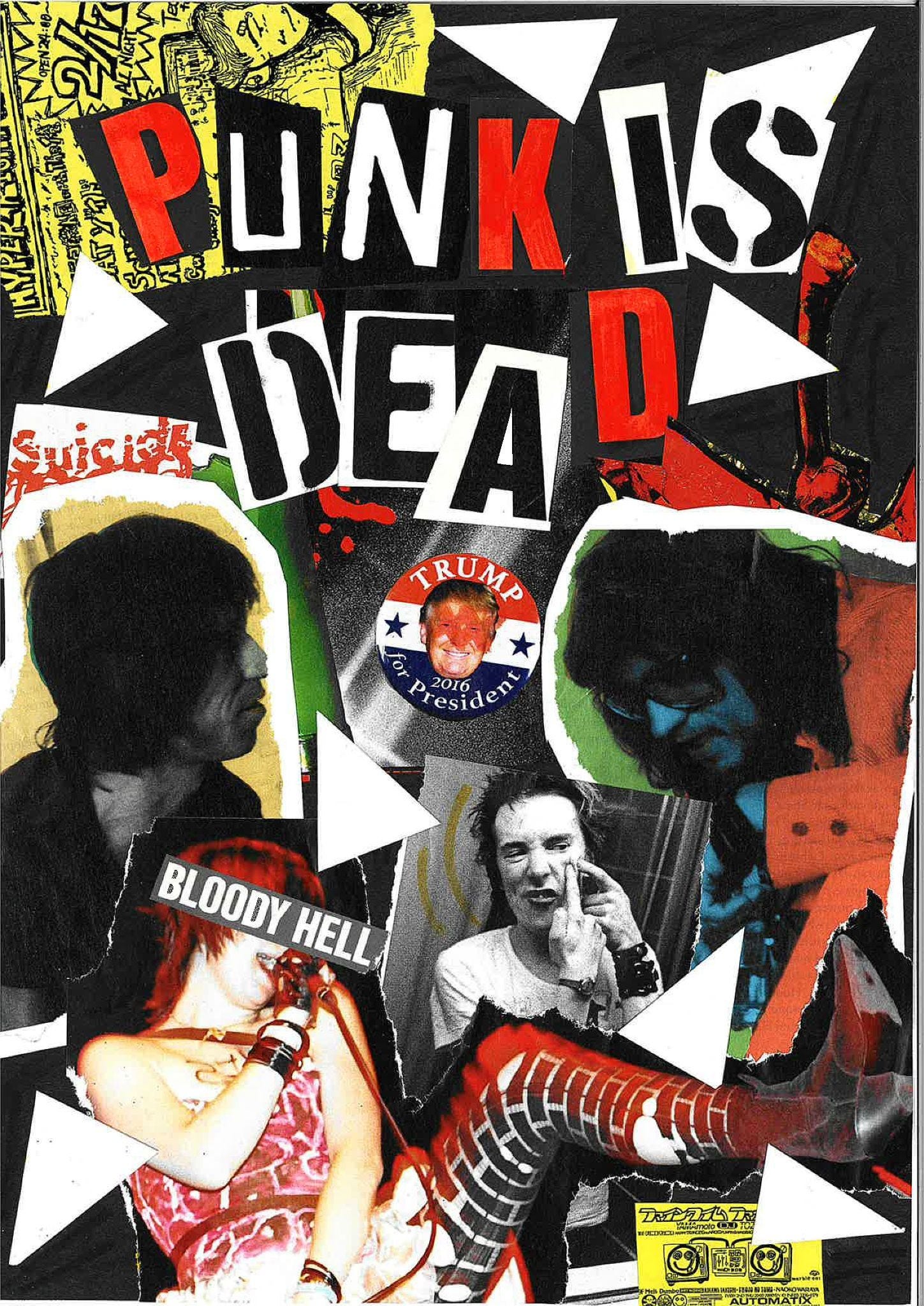
‘Punk is dead’
The punk rock band Crass declared these words to the world through their new song. The raw lyrics of this song such as ‘It’s just another cheap product for the consumers’ head’ expresses frustration over the very rapid commercialisation of the punk rock movement since its emergence in the mid-1970s. The band claimed that punk had been turned into a simple and ‘empty’ mainstream fashion rather than a foundation for new ideas and a movement that defies societal establishments. This song released in 1978 showcasing that commodification of the movement and ergo irritations surrounding this started very early in the movement’s lifespan. Now in 2026, we are entering the 50th anniversary of Punk. This year will be filled with events celebrating the history, music, figures and iconic moments of one of the most influential explosions in music. Most notably, punk legends Sex Pistols will return in December 2026 for a UK and Ireland tour in commemoration of the milestone titled “Anarchy In The U.K. Tour”. Reminiscing 50 years later, how accurate is Crass’ statement today? Is Punk still an unfortunate victim of commodification?
British punk was credited to be born in 1976 through the opening of SEX in London (the fashion store established by renowned Vivienne Westwood and Malcolm McLaren) and vulgarised through the notorious work of the Sex Pistols leading the scene’s musical emphasis. Inspired by these two icons, punk rapidly spread and became a movement that opposes pretty much everything, becoming easily identifiable through its focus on DIY (Do It Yourself) production, anti-authoritarian messaging and distinct fashion. During a time of political and economic turmoil, punk was a youth culture that negated the current societal state of living aiming to prompt change through raw music and action.
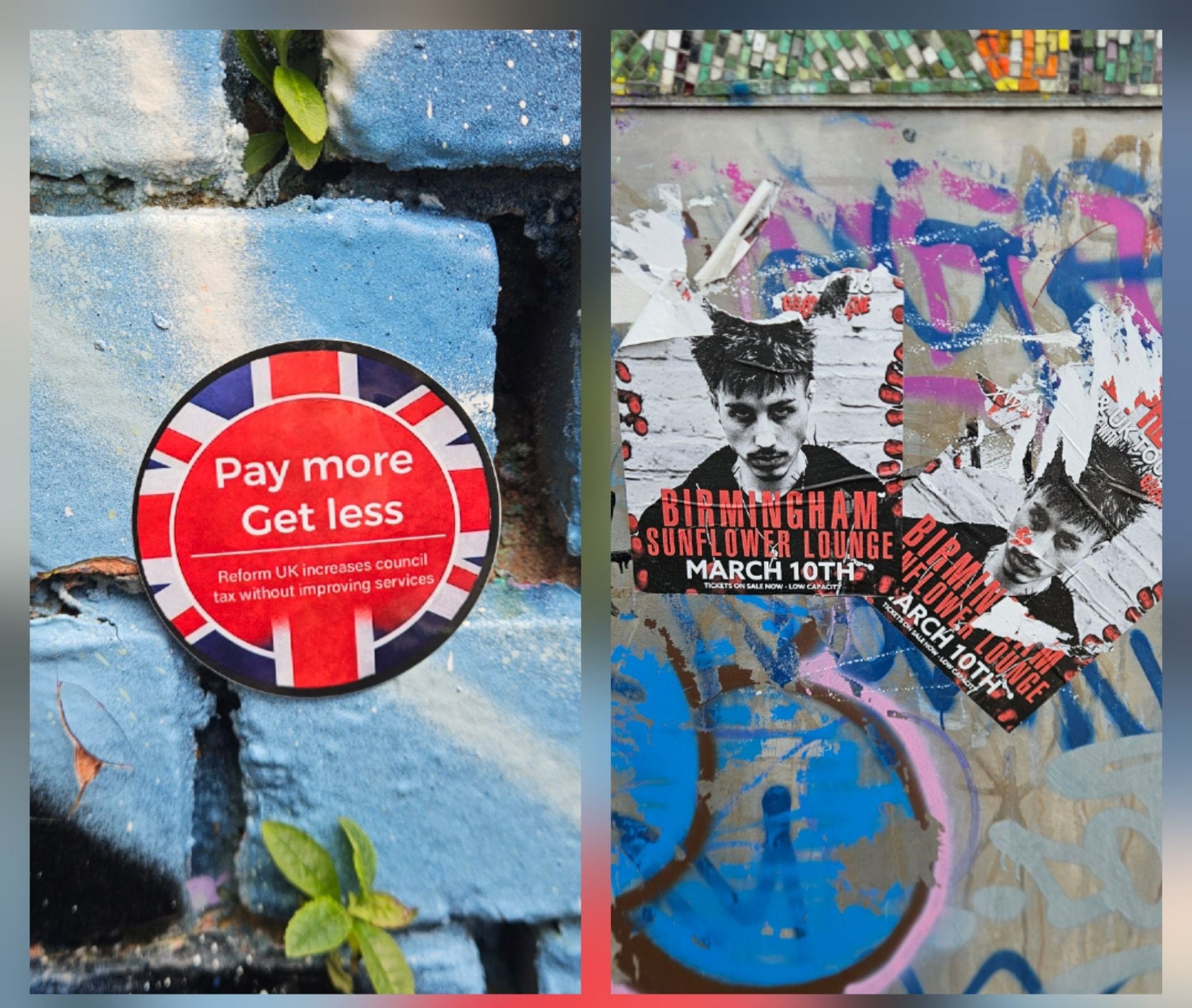
As previously mentioned, there have been multiple claims of punk going against its anti-establishment identifications due to its absorption into the mainstream whether it be accidental or deliberate from as far back as the late 1970s. This belief is mainly due to big, fast-fashion, street brands adapting the scene into their lines as a response to the sudden explosion.
Punk history Professor Matthew Worley at Reading University spoke about this phenomenon recollecting that “Back in the day, in 77, it was incredibly quick how brands like Topshop and whatever brands in Topshop were repurposing punk style. And even on a very general level, it was incredibly quick how people went from wearing flared trousers before punk to wearing tight trousers after punk.”
Due to this commercialisation it is very easy to claim that ‘punk’, as in the negation of everything conventional, is dead. “I think one of the ways in which punk was appropriated and the way in which punk is diluted or contained is when its signifiers, whether that’s its fashion or whether it’s its sound, becomes familiar and and it becomes codified and is reproduced,” says Worley.
It is not wrong to claim that punk isn’t as predominant in the 21st century as it used to be. However, punk is certainly not dead and never was. In fact, as a response to the previously mentioned song by Crass, a rallying call was created that belted ‘Punk’s not dead!’ The claim that punk has ‘died’ is a consistent cycle within punk history in which the scene constantly adapts to fight against. Worley states that “There’s a great Sex Pistols slogan that they stole from the Spanish anarchist Durruti, which is ‘don’t be afraid of the ruins’. Make something out of the ruins, make something better.” When the punk scene seems to be in ‘ruins’ due to its death claims, the most punk thing that you could possibly do is to take advantage and define something new.
Punk has diversified with time and an active scene truly still exists in the UK 50 years later. Protest and political engagement remains more relevant now than ever. There are always new bands emerging into the punk rock scene, filling up music venues across the country. Matthew Worley talks about his home town of Norwich giving insight into the current activeness of the scene. He has observed the mixed involvement of the older generation and younger generation disputing claims that punk thrives solely off nostalgia. 25-year-old Lexxi has been attending punk gigs and events for 5+ years and notes that the scene exists mainly underground with audiences between 18 and 50 years of age however noting that there is a significant imbalance with the older generation dominating.
“I really hope that because more younger people are facing hardships due to society, the government, politics, etc. a lot of people in my generation and younger are more leftist and more likely to join non conformist subculture. Punk is not dead and will not die anytime soon, concerts and such are still very much thriving,” they said.
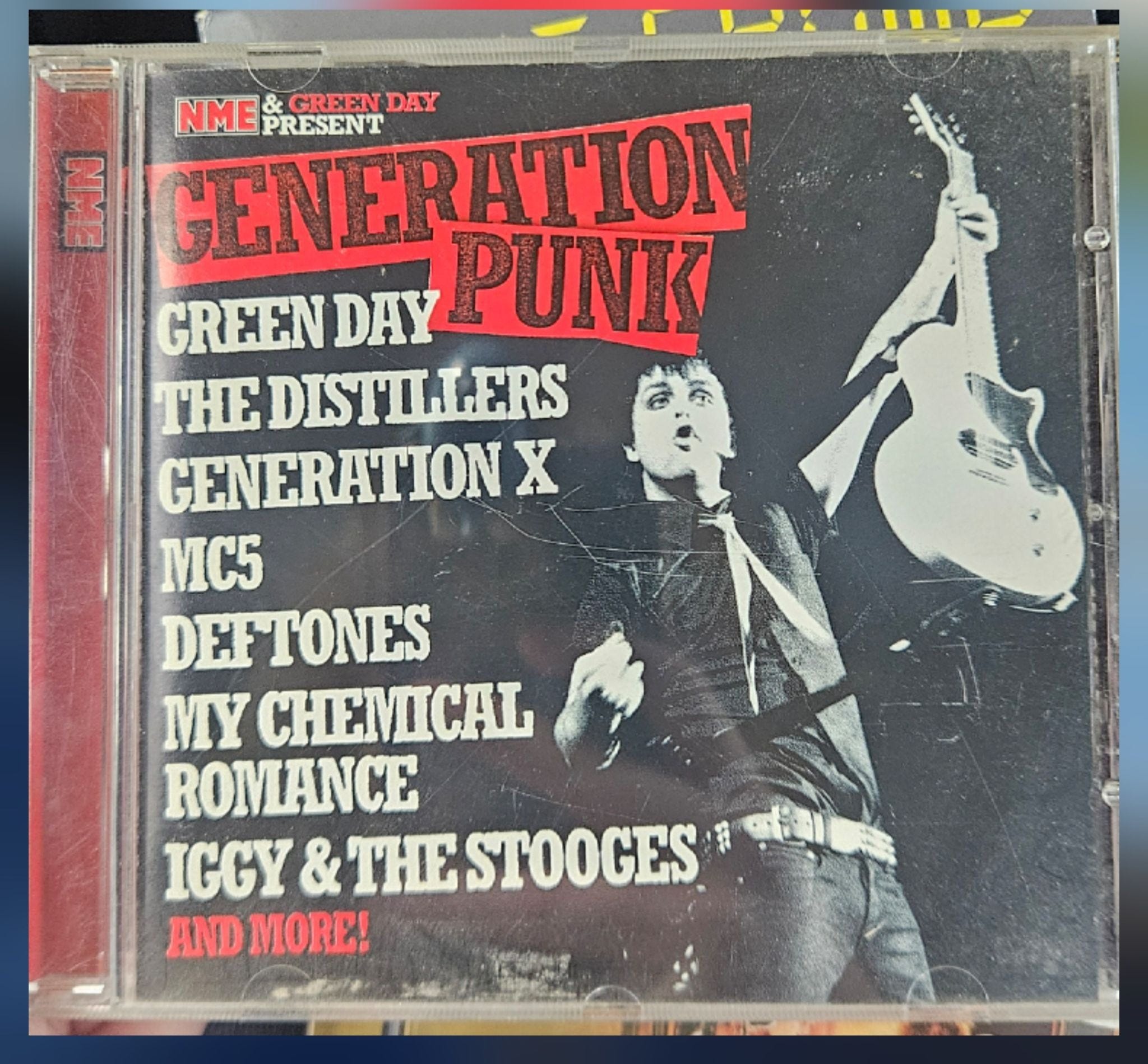
Along with this, there has been a revival of DIY ethics through online platforms such as TikTok and Pinterest. One way in which DIY punk culture continues to thrive is through zine creation. Elleanna Chapman from the Grrrl Zine Fair spoke about this overlap.
“We are living through an unprecedented crisis of capitalism, with many young people, being termed the ‘crisis generation’ having known nothing other than war, austerity, and unrest.” Chapman says, “I think punk, if it wants to continue the lineage of its anti-establishment origins, will have massive potential to grow in this next period, as people look to communities, grassroots organisations, and subcultures, for a way to fight back. As long as punk stays DIY and politicised, it should be here to stay.”
Punk’s core characteristic is the ability to adapt and shift. As Worley says, “The punk thing to do is to adapt, adopt, reimagine a way of being that’s different and this distinct.” Due to this punk will never truly die no matter what people claim.
‘Punk’s not dead!’