


In the past couple of weeks, the media has longed for a fashion reset in structure, fit, and fabrics – a change in culture, as we move through political unpredictability.
Trending on Tiktok, UK creators are wishing for Carolyn Bessette-Kennedy’s wardrobe, original 1970s ‘501’ Levis jeans, and the return of the Calvin Klein and Ralph Lauren fashion girls.
Are we celebrating a new fashion era, or are we celebrating the reinvention of the past, longing for the quiet confidence of a simpler time?
What is Coming Back?
After many years of maximalism – statement silhouettes, bold patterns, and viral micro trends, fashion seems to be taking a collective breath. The mood has shifted to a quieter, more neutral and tailored style, in light of the ‘analogue’ trend that has taken to social media this year.
Why would clothing from 36 years ago popularise? The 1990s emphasised restrained fashion. Clean lines and tailored simple pieces replaced excess, fabrics were elevated but not complicated, and styling was intentionally sparse. Rather than loud branding, trends fell on cut, quality, and proportion – much different to today’s era of fast fashion.
Clothes radiated attitude and confidence without performance, and were a framework, rather than a focal point, allowing the consumer, rather than the clothing, to take centre stage.
Designers such as Calvin Klein and Ralph Lauren endorsed this aesthetic, building pieces around timeless staples such as slip dresses, crisp white tailored shirts, and midi skirts.
Today, these pieces have resurfaced online, with previous fashion workers turned mothers, modelling these vintage must-haves on their daughters, while spilling all of the industry’s beauty secrets that they learnt while working as the ‘IT-girls’ back in the day.

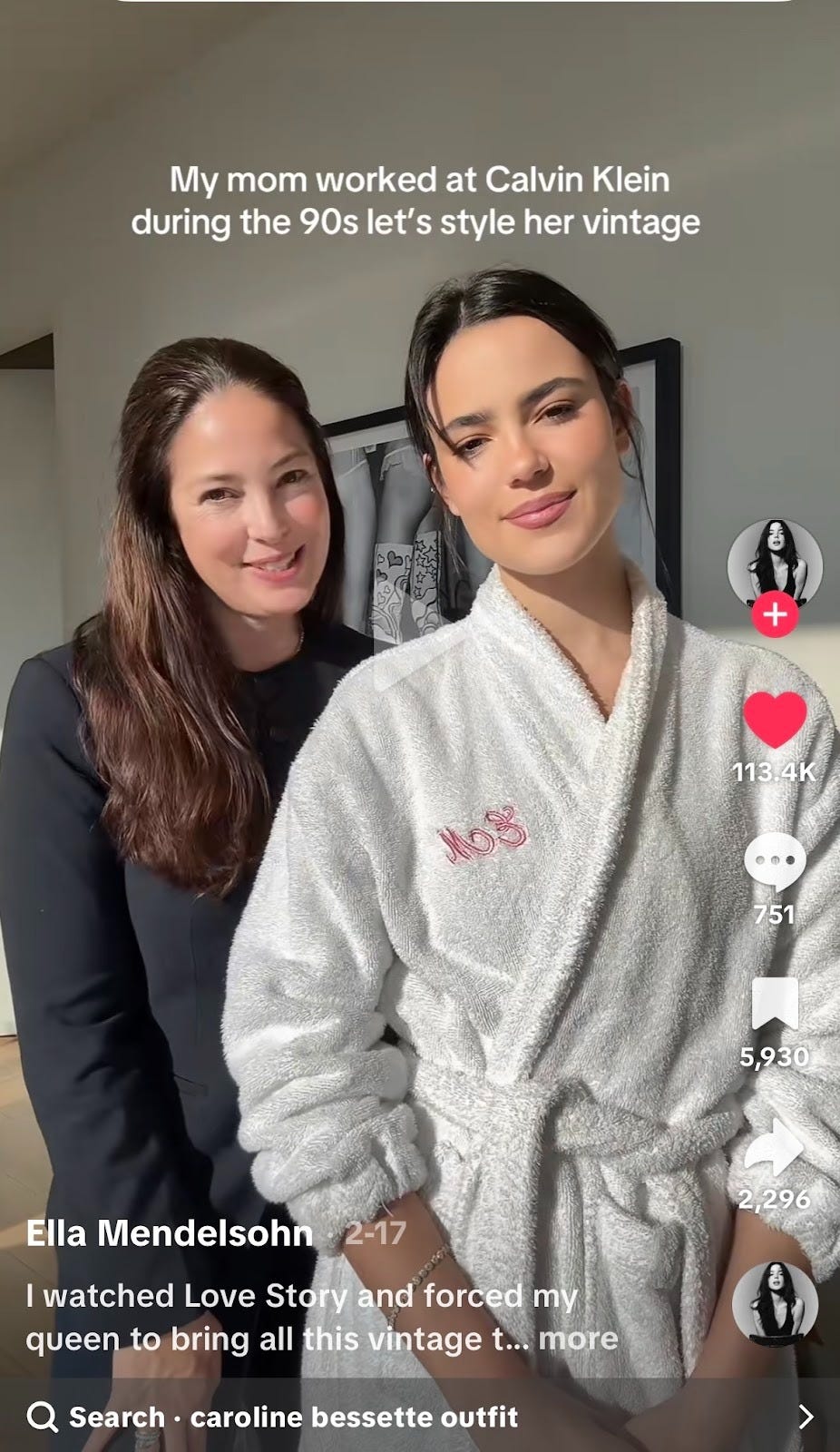
Tiktok’s Minimalist Mood
Tiktok is playing a significant role in this revival. Carolyn Bessette-Kennedy, the late wife of JFK Jr. and previous American Calvin Klein fashion publicist, has become a digital icon for this movement. Videos recreating her looks and inspired mood board outfits have been appearing online. Her sleek yet simple wardrobe, consisting of black slip dresses, long sleeve fitted tops, and minimal accessories, is representing a necessary elegance that feels aesthetically pleasing in an era of constant visual noise.
Rather than chasing the next hyper-fast set trend, many users are embracing a slower, minimalist, and deliberate approach to their everyday wardrobes, with simple tops, vintage denim and tailored jackets dominating the fashion scene.
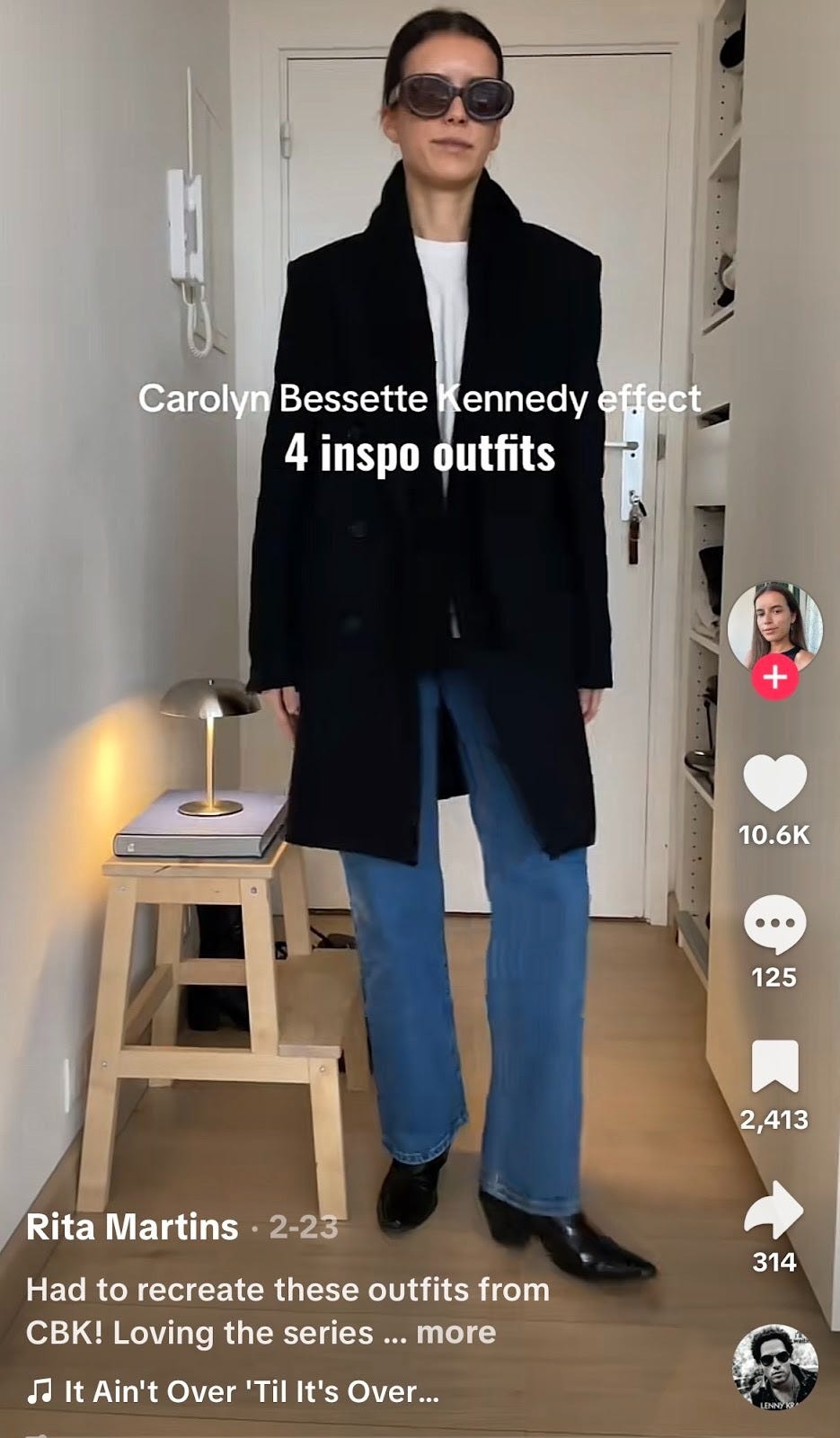

Fashion Fatigue and Our Uncertain Universe
Over the past few years, the fashion cycle has increased dramatically. This has led to ‘trend fatigue,’ which is the overwhelming exhaustion caused by the constant rapid cycle of new fashion, led by social media trends.
In an age where digital identities are expressed and influenced through this constant visual presence, this quieter approach is extremely powerful.
The media can produce and exhaust these trends within weeks, so many believe that it may just be a matter of time before this is also considered ‘micro’ too.
However, minimalism offers an anecdote. Simplistic pieces of denim and tailory imply permanence as they do not rely on seasonal relevance, meaning that logically, it exists out of the trend cycle completely.
In uncertain cultural moments, fashion tends to mirror the nation’s feelings of instability, gravitating to other things that we desire. In this case, structure and clarity, and the controlled sense of silhouettes that the 1990s encompassed brings exactly that.
Reinvention, Rather than Repetition
Recent years’ shifts towards sustainability and re-selling apps have allowed for original pieces to be sold again, meaning that the past is not just inspiration, but is actually being worn once more.
At the same time, designers are reinventing original pieces with new proportions, fabrics, and gender neutral styling.
So perhaps the answer is both. Maybe we are reinventing ourselves through a new fashion era inspired by vintage looks that feel easier, because 90s style implies that fashion doesn’t have to move forward. Instead, it circles back, a timeless capsule of elegance, intention and stability, reminding us that sometimes the most effective modern way for excellence is to simplify.