


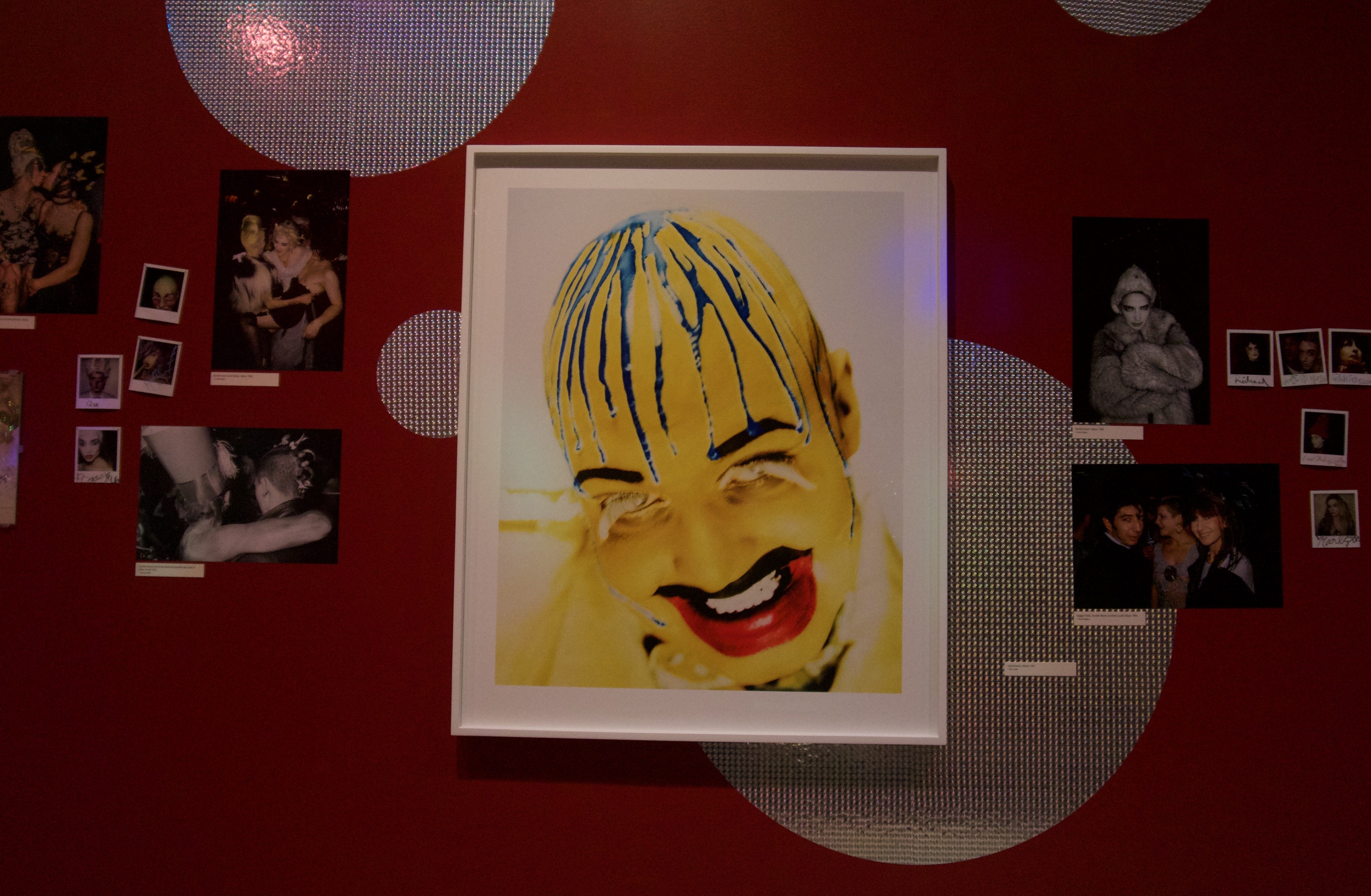
Leigh Bowery’s life was a work of art. His theatrical approach to everything created space for self-expression, allowing others to also push boundaries that Bowery helped break. Bowery’s life was never dull; as a fashion designer, club promoter, and performance artist. Bowery kept himself busy through his different roles and professions. The Australian moved to London in October of 1980, where Bowery created a name for himself in London’s club scene through his flamboyant fashion and his growing reputation.
Bowery’s theatrics increased with the opening of Taboo in 1985, a club where you’re surrounded by sex, drugs and avant-garde fashion; Bowery was in his element. Taboo was a queer fashion hotspot overflowing with different garments; from feathers to striking prints and faces caked with makeup, everyone looked out of the ordinary. Taboo was a safe place where people could express themselves freely, push gender norms and show off their iconic looks. This queer playground is where Bowery created history.
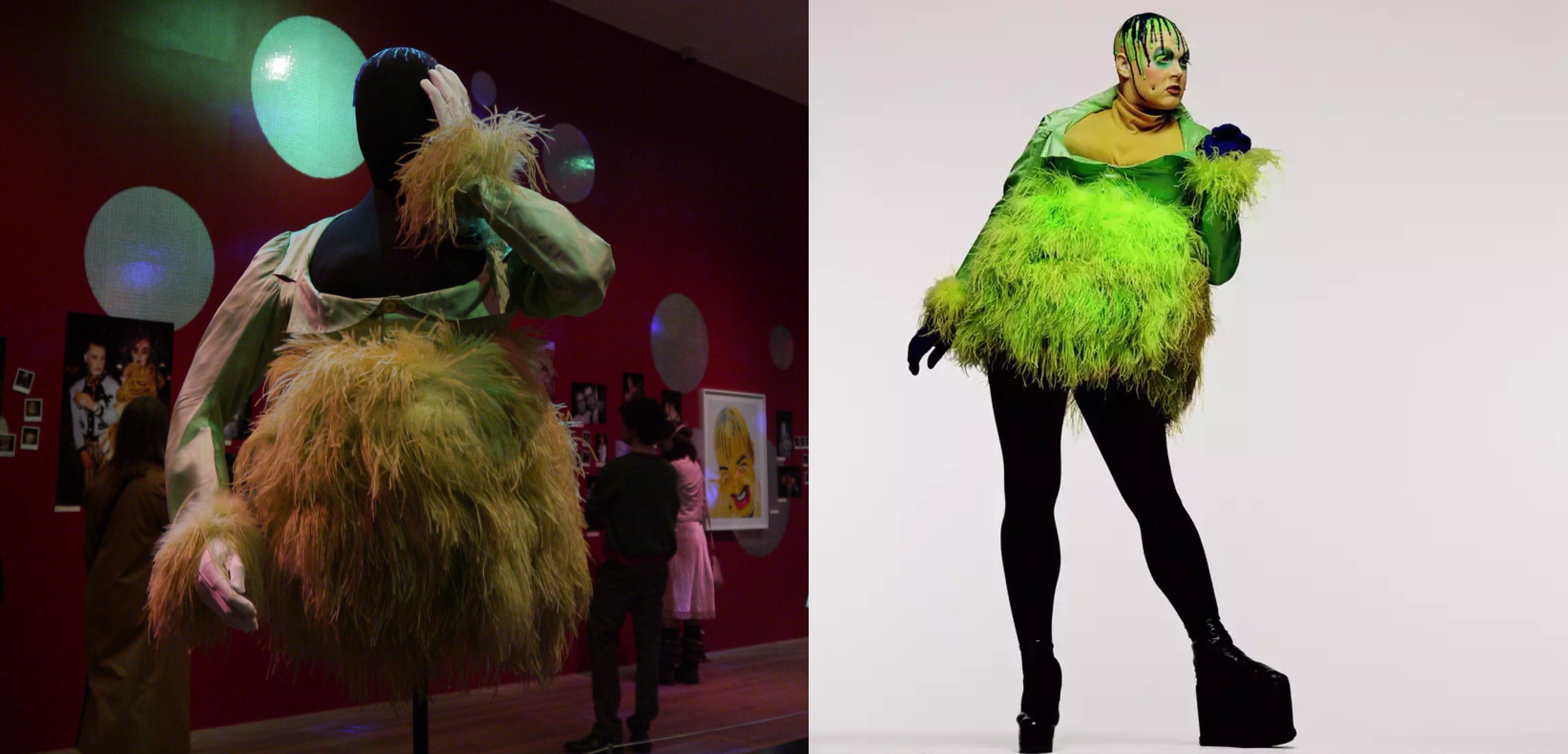
His body was his canvas, and every night he’d paint a different picture. His bold looks are now on show in the Tate Modern, giving the public a glimpse of his lifestyle and how his flamboyant style changed the fashion industry. The face of the exhibition (look 34) perfectly encapsulated Bowery; the mini lime green feathered dress accentuates Bowery’s chest as he rebelled against gender stereotypes, which he’s paired with a pair of black stockings and black wedge heels.
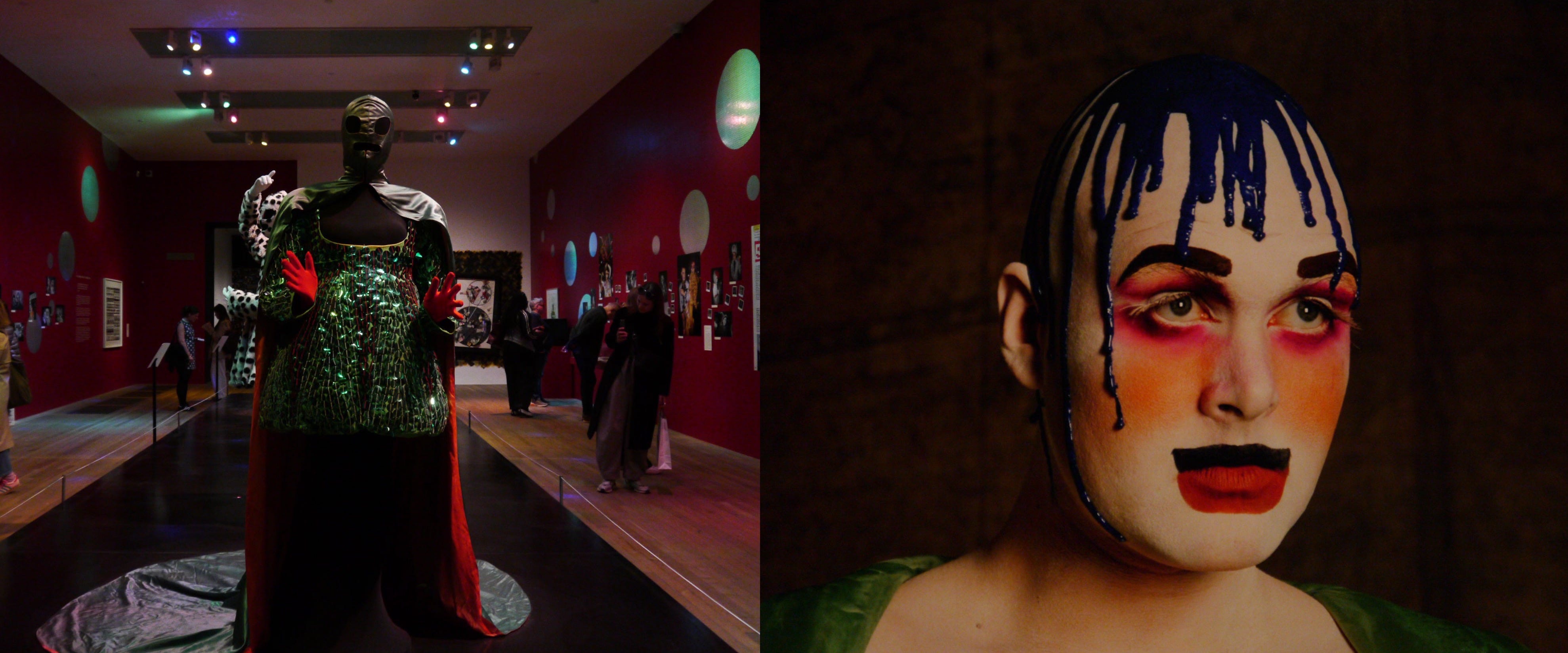
The contrast between the chalky white face paint and the blue PVA that frames its way onto his bold abstract makeup dramatises the whole look. This trademark splatter on his head acts as a form of concealment, as Bowery shape-shifts into a different person, each outfit giving him the chance to sculpt into a new performance. The Tate states that ‘London’s nightclubs became the catwalk for his creations’; a catwalk is set up in the exhibition displaying Look 34 and many other iconic creations.
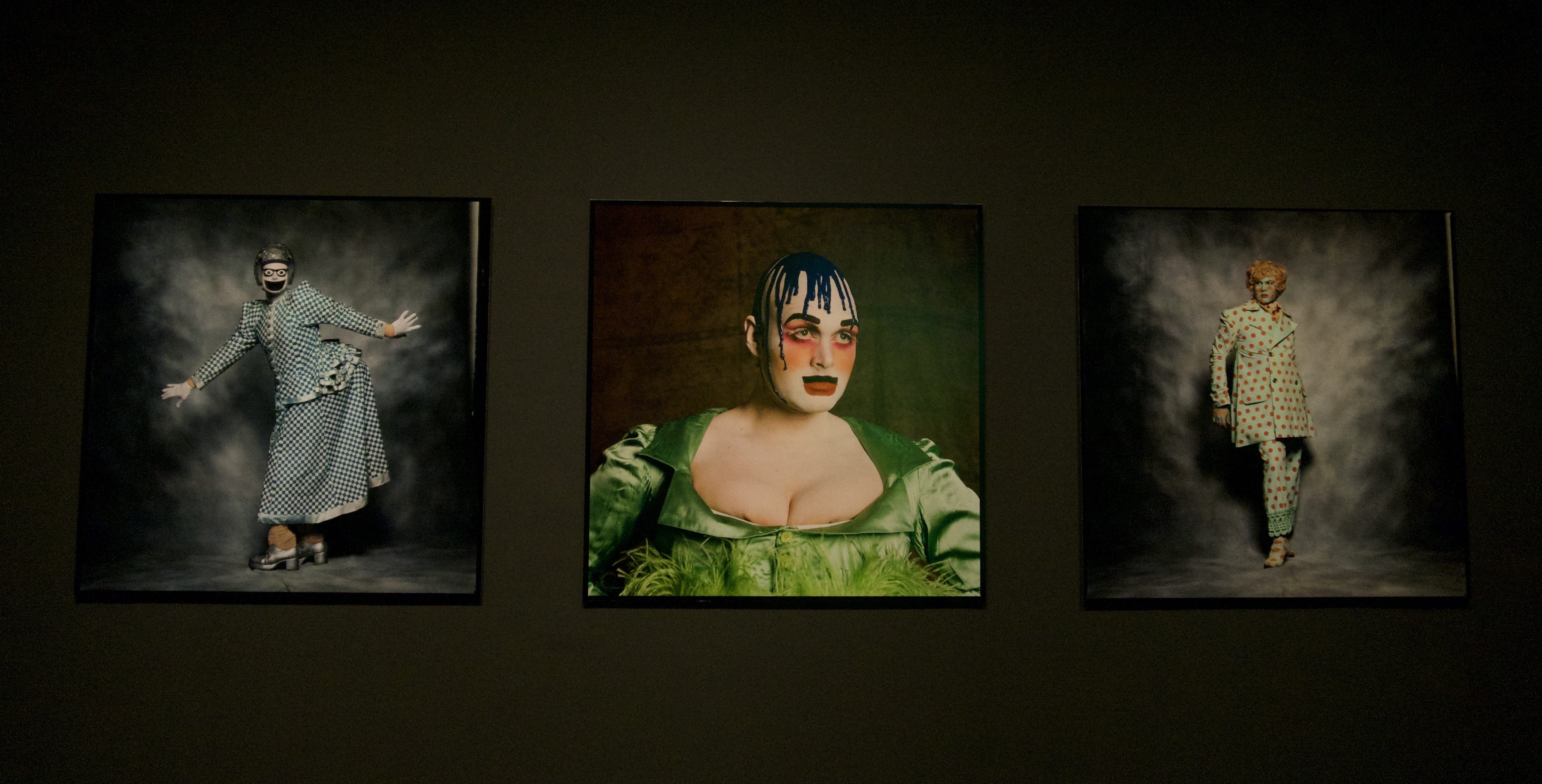
Bowery’s provocative style was theatrical: his life was art, and he was always telling a story and always making a statement. Described as ‘modern art on legs’ by the Tate, Bowery’s blend of punk and new romantic was ‘inspired by glam rock stars like David Bowie, Slade and Roxy Music’. All of Bowery’s pieces were one of a kind, as he used his body or clientele as a canvas on which he sculpted his vision. Not wanting to have his pieces mass-produced, he made each one unique and used London’s nightlife as his design’s debut.
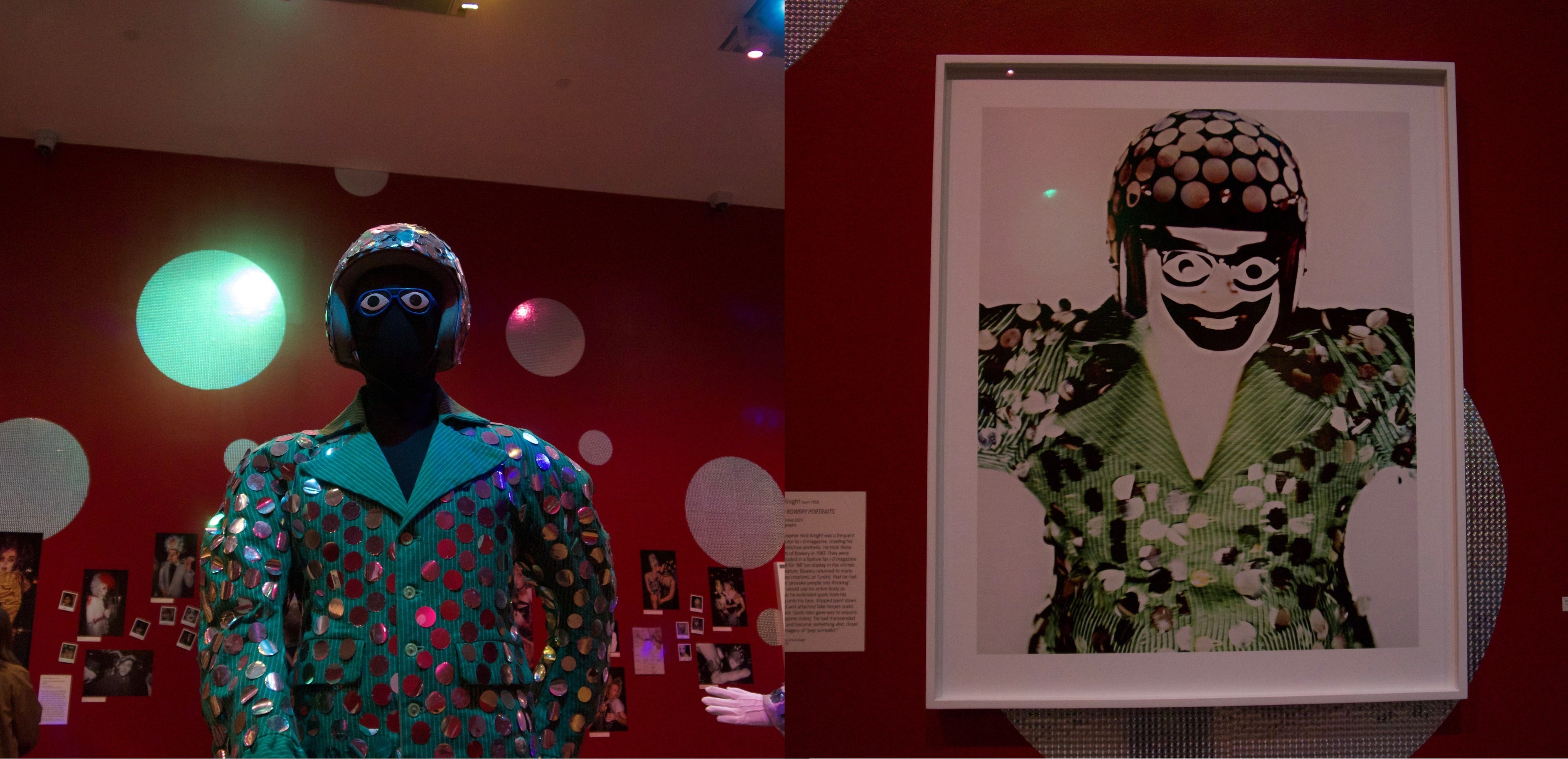
Another look that is showcased in the Tate that perfectly displays Bowery’s character is the green pinstripe blazer and shorts with silver sequins. Bowery wore this to the Alternative Miss World 1986, where eyes were drawn to him as the light caught the sequins, making him a walking disco ball. This look is wild and bizarre, but it fits Bowery perfectly; the distinct silver sequin crash helmet adds to the persona he created. Bowery has painted a pair of giant black caricature lips that are consuming his face, contrasting against his milky clown base layer. The look is complete with Bowery’s signature glasses that have appeared in many of his looks where he is repeatedly photographed with them.
Even after his passing in 1944, Bowery’s fashion influence has lived on with designers like Alexander McQueen, Charles Jerffery and Richard Quinn. “His influence lives on in every look that dares to go a bit too far, that’s a bit too much – and that’s exactly the point,” says Charles Jeffery. Although Leigh kept his designs underground, they impacted the fashion industry worldwide; many looks that have graced the runway have been directly inspired by his flamboyant and theatrical style.
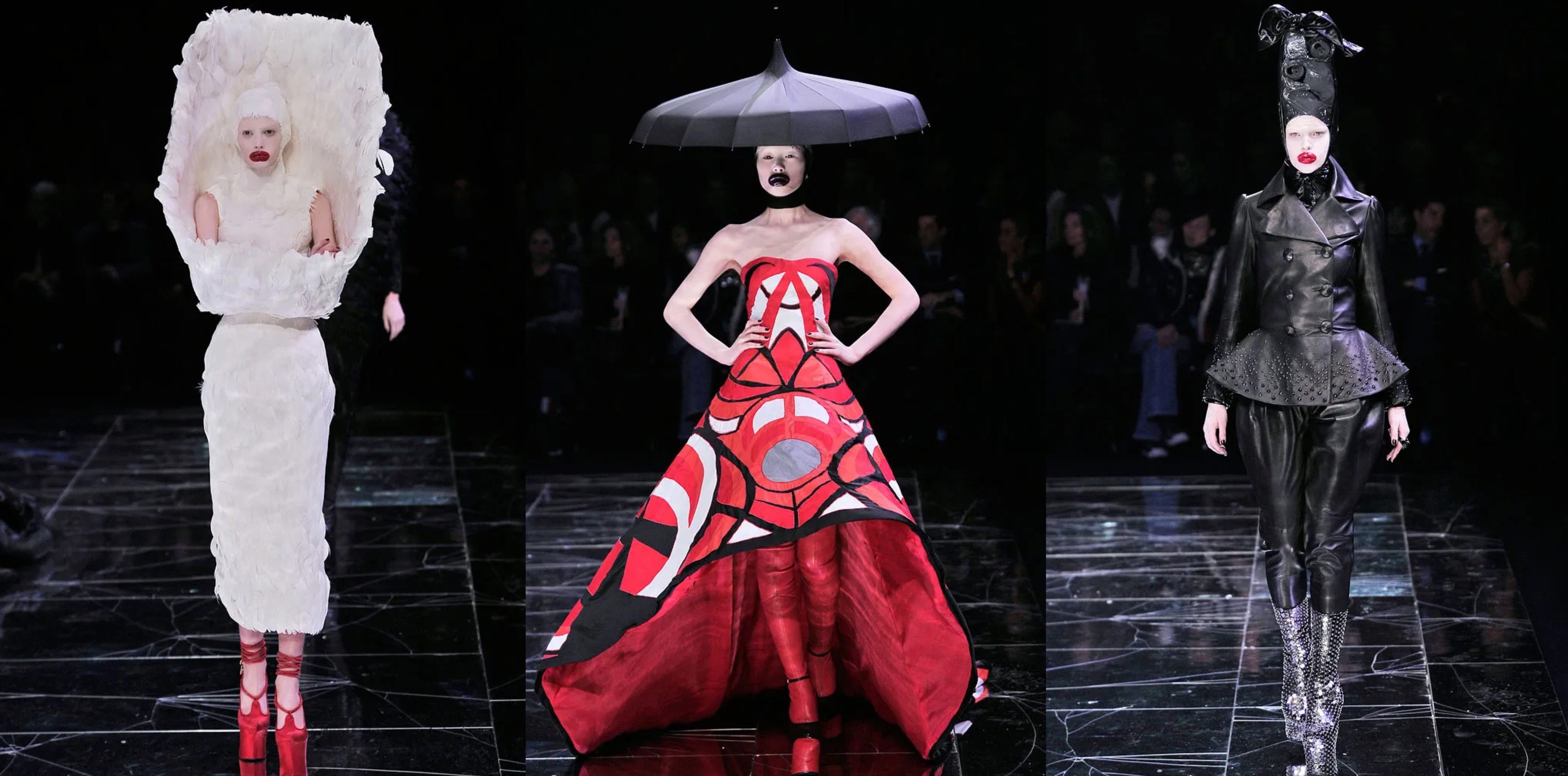
Alexander McQueen’s AWO9 Fall ready-to-wear show created a statement at Paris Fashion Week in 2009. The shapeshifting silhouettes created by the clothing mirror the outrageous shapes Bowery created with his body, structured clothing and added prosthetics. Each model features a different eccentric headpiece, adding to their already towering figure in their 6-inch heels. Their faces captured the audience’s attention; Bowery’s signature clown white skin with overdrawn clown lips featuring an array of blacks and reds was plastered onto the models’ faces.
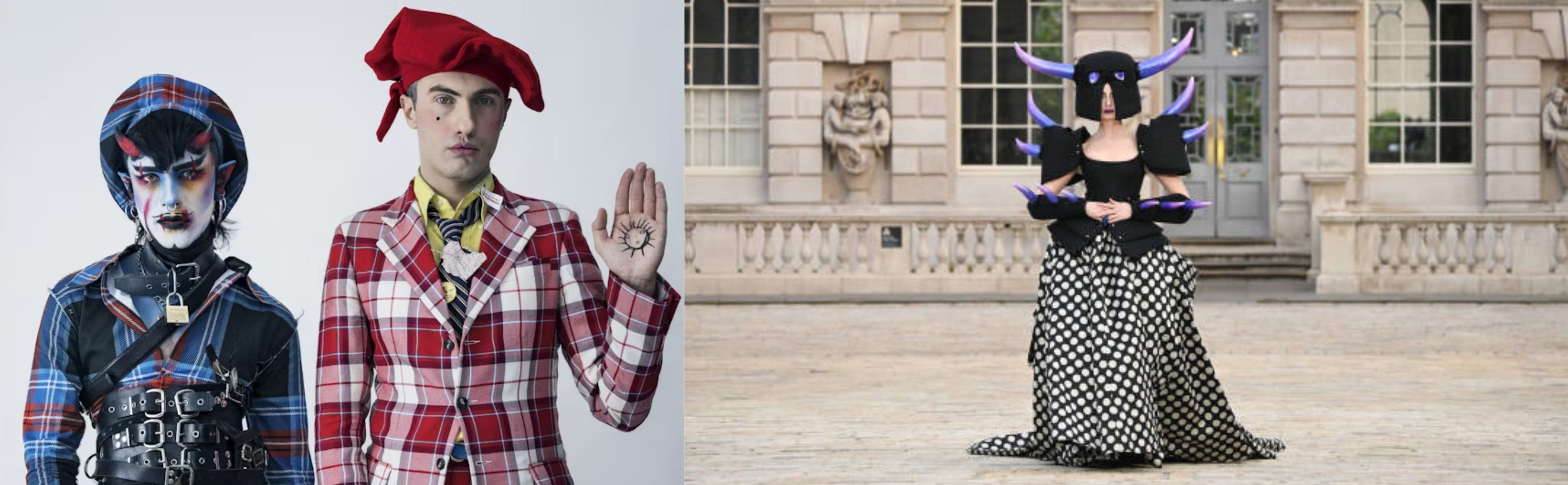
Similar to Bowery’s queer club scene, Charles Jerffery created a name for himself in Dalston, where he turned Vogue Fabrics into his LOVERBOY club night. The iconic nights blended high fashion with the club scene as the queer community dressed to impress in their vivacious outfits, with bold make-up and body paint. Jeffery’s fashion career flourished shortly after this, which has now developed into the Lore of Loverboy, Jeffery’s recent collection in June 2024. The clothing pieces and the way they are presented show clear links to Bowery’s work, the clown-like makeup adorning the models’ faces and the bright prints that feature on some of the garments.
Bowery pushed boundaries within the fashion world, leaving his mark so that the future of queer fashion could flourish in his footsteps. Bowery’s impact is seen within the famous TV show RuPaul’s Drag Race, a reality show where drag queens battle it out to be “America’s Next Drag Superstar”. The queens participate in challenges, showcasing their drag makeup, their bold fashion statements and their overall performances. Much like Bowery and his friends in the underground London club scene, faces are caked with makeup, and queens are strutting their stuff as if it’s a fashion show.
Drag’s origins can be traced back to ancient Greece and Rome, with men impersonating women in theatre. This grew with Shakespearean theatre; with women not being allowed to act, men played dress-up and kept the love stories going. This is far from what drag is considered now, but it later opened a gateway for men to experiment and express a hidden side of themselves. The LGBTQ+ community has suffered centuries of oppression and hatred, though Bowery was able to push these boundaries; there were queens that walked before him who pioneered dark times, allowing the queer community to flourish as it is now.
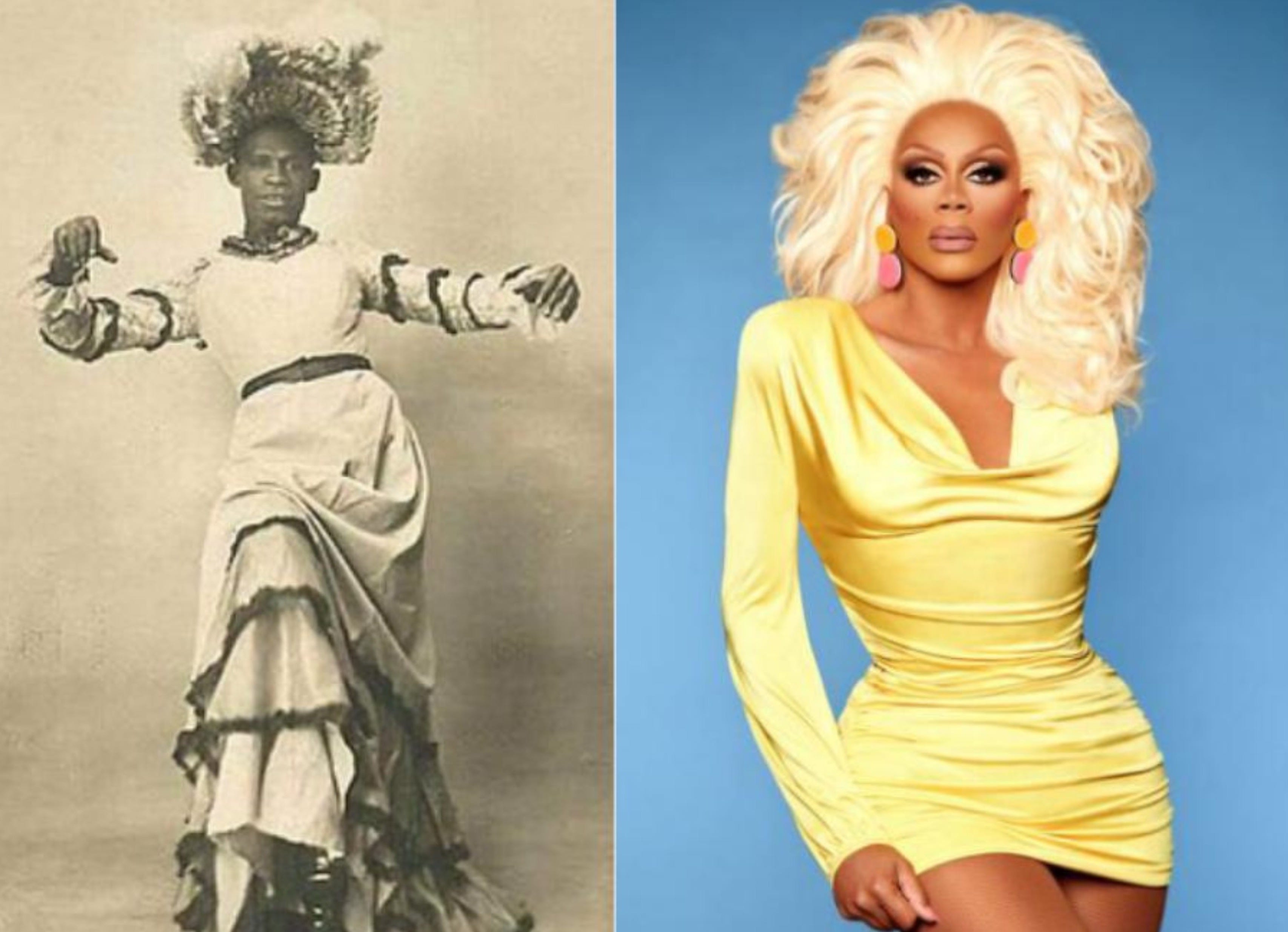
In a day and age where social media has ceased to exist, trends and viral moments are forever present. Willian Dorsey Swann ‘was an expert at the production of viral cultural content focused on self-expression; the drag balls of L Street, Washington, D.C.’ Swann’s underground activities introduced a whole new world to the queer community, which Bowery later followed with nightclubs like Taboo, Cha Cha Club and Fridge. Swann faced his challenges as a black gay man in the 1880s, but he pioneered resistances, broke boundaries and was the first true drag queen for the LGBTQ+ community.
The theatrical lifestyle created with drag is something the public are now accustomed to; things aren’t underground anymore, they are broadcast on TV and plastered all over social media. Thanks to the help of Bowery and other historical queer icons, the queer community has found it easier to express themselves and to continue to push gender-confining boundaries. People no longer have to stick to the status quo and can choose how they wish to be; the fashion community is blessed with such an outlet that allows one to express oneself.
Queer fashion today is flourishing with queer icons like Chappell Roan, RuPaul and Billy Porter leading this generation. RuPaul, ‘the queen of drag’, has created a welcoming community for drag queens and the LGBTQ+ community by promoting being your true self. RuPaul has aided many in accepting who they are and helping them thrive on their self-expression journey. ‘You are the editor of your own life; you get to conduct the screenplay how you want it,’ says RuPaul on his Instagram, advocating for people to accept themselves and to be what they want to be, not what society wants them to be. RuPaul not only has made a huge influence on the queer fashion community through his extravagant looks and his flawless drag makeup, but he’s been a pioneering voice for the queer community as a whole.
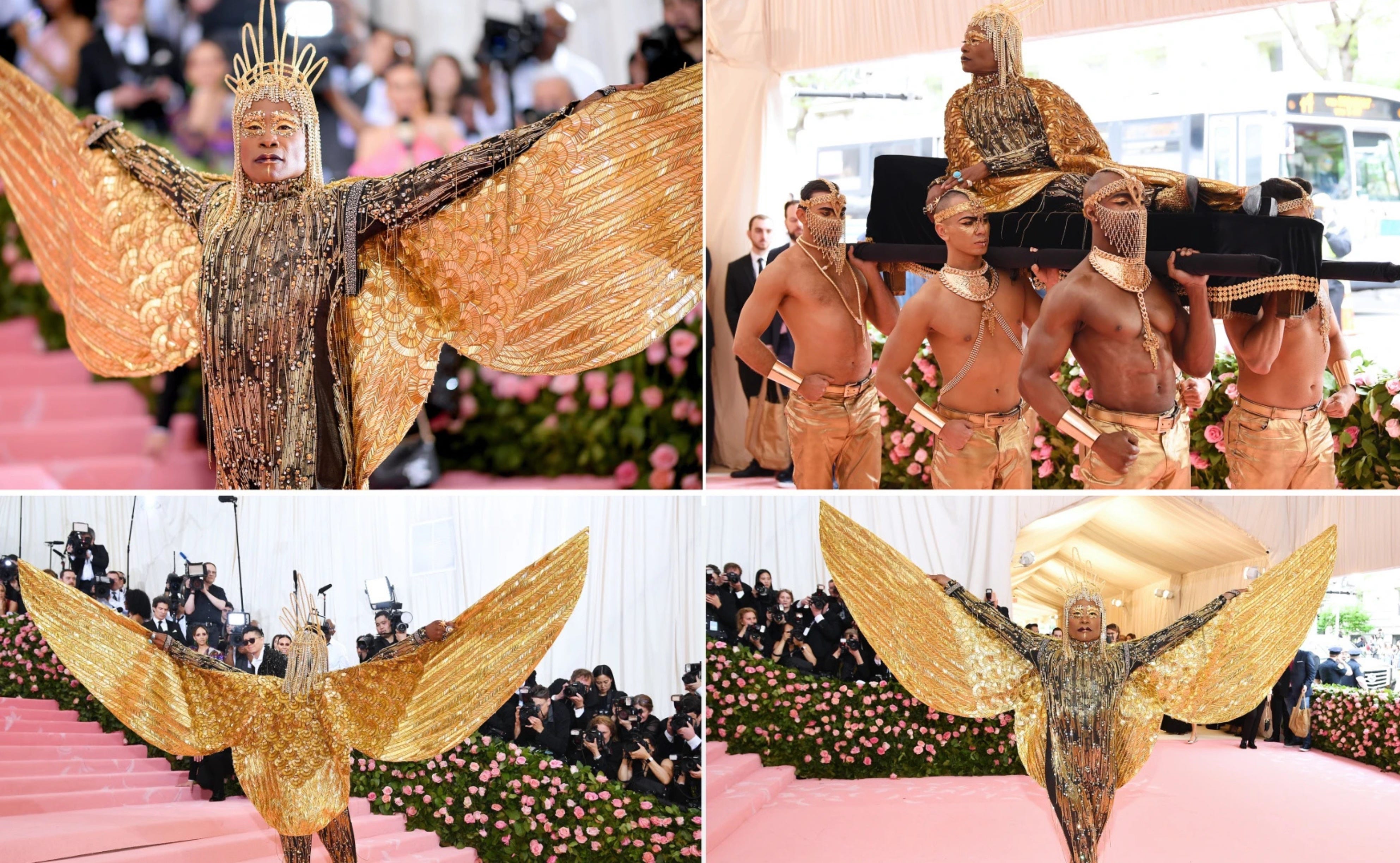
Billy Porter is continuously challenging traditional gender conventions; the American actor and singer struts the red carpet, leaving crowds speechless with each look he parades. Many of the outfits that Porter has worn, he has helped design, like Bowery; Billy has an eye for fashion and always wants to make a statement. At the 2019 Met Gala, surrounded by six hunky men and glitz and glam, Billy made his entrance on a litter. He then spread his wings on the carpet, wearing an elaborate black and gold one-piece. Billy’s theatrical nature was similar to Bowery’s; entering a room, his attire always drew attention.
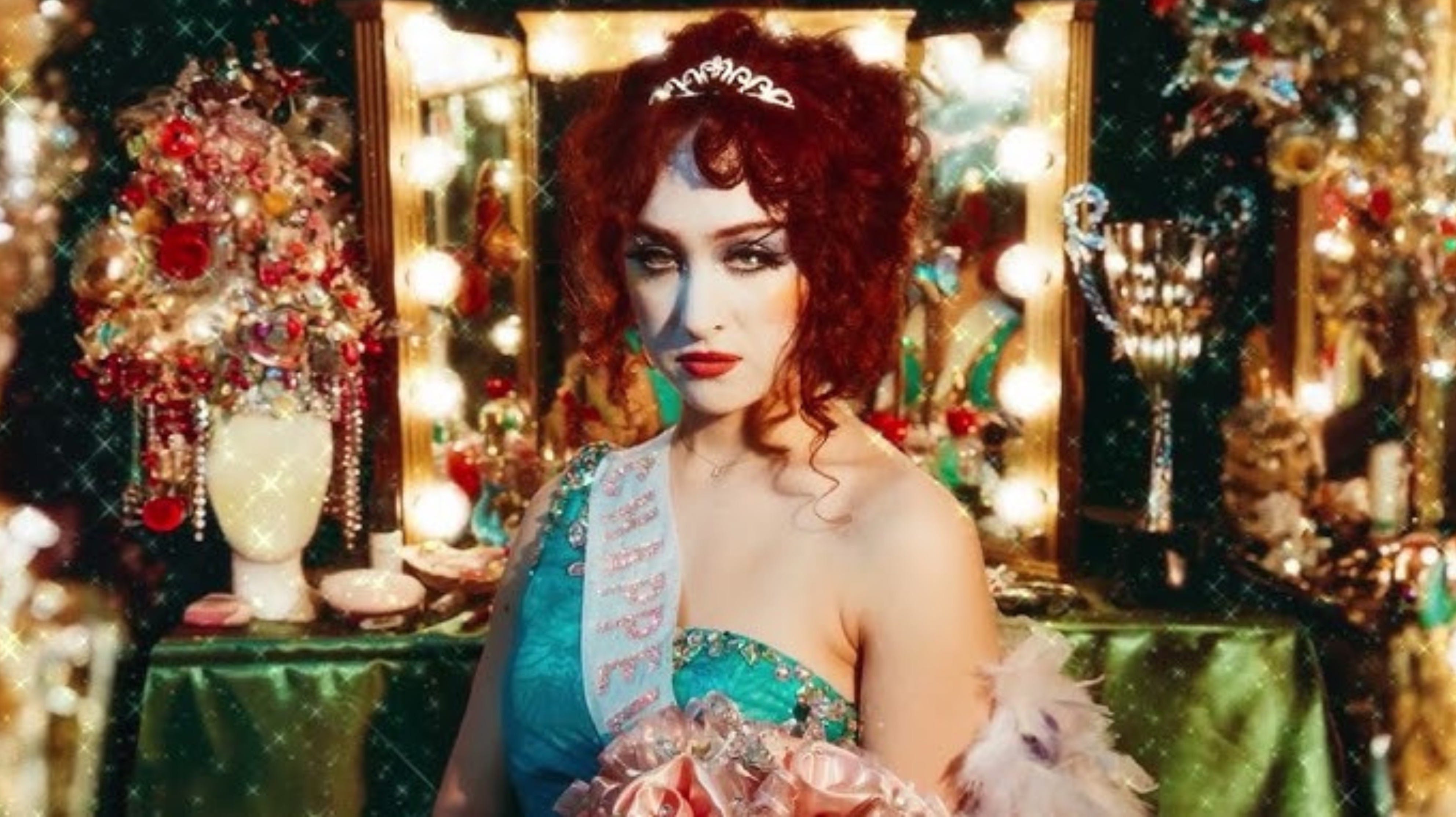
In 2025, there are numerous queer icons who inspire others and celebrate queer fashion. Chappell Roan, the current queer icon, is ‘known for her queer pop anthems as much as for her drag-inspired looks’. Chappell’s flamboyant style was inspired by new romanticism, something she and Bowery have in common. As well as the clown white base, which she wears in response to people in her hometown calling ‘gay people clowns’. Chappell advocates for queer fashion and the queer community, saying, ‘I encourage people to wear what makes them feel hot…The show is not only on stage, but it’s also in line, at the merch table, next to you, [in the] front row.’
The media is filled to the brim with queer representation; the queer fashion community is thriving, and there are many kings and queens that are helping to inspire others and pioneer the future of queer fashion. Bowery has created a legacy that will carry on through photographs, clothing and memories; his gender-bending ways will never be forgotten.