


Between the 13th and 15th March 2026, 13 cases of bacterial meningitis (strand B) were notified to The UK Health Security Agency (UKHSA) following a rapid outbreak in Kent.
The outbreak of meningitis quickly spread through the University of Kent and unfortunately 2 lives were lost. Their deaths caused a rapid promotion of leaflets and campaigns surrounding spotting the symptoms and receiving emergency help if you think you have contracted the illness. These campaigns were directed towards university students, who are more at risk.
This sudden wave of cases triggered an emergency response from the Government and health officials, however could this outbreak have been prevented? More awareness and more information could have been given before it had taken lives.
The Importance of Vaccines
According to the NHS, vaccines are the most important prevention against dangerous diseases. They teach your immune system to create the relevant antibodies that protect you from the particular illness.
Receiving a vaccine also helps you protect friends and family and even strangers through “herd immunity”. If enough people get vaccinated then there is less of a chance for a disease to spread. This also helps people who cannot receive or don’t have access to the specific vaccine.
Although there has been large speculation surrounding vaccines, they have been thoroughly tested to make sure that they cause no harm to adults or children.
The NHS also states that, once a vaccine has been finalised for usage throughout the UK, it is monitored for any rare side effects by the Medicines and Healthcare products Regulatory Agency (MHRA). This is really important with older vaccines as they can check that they are still effective.
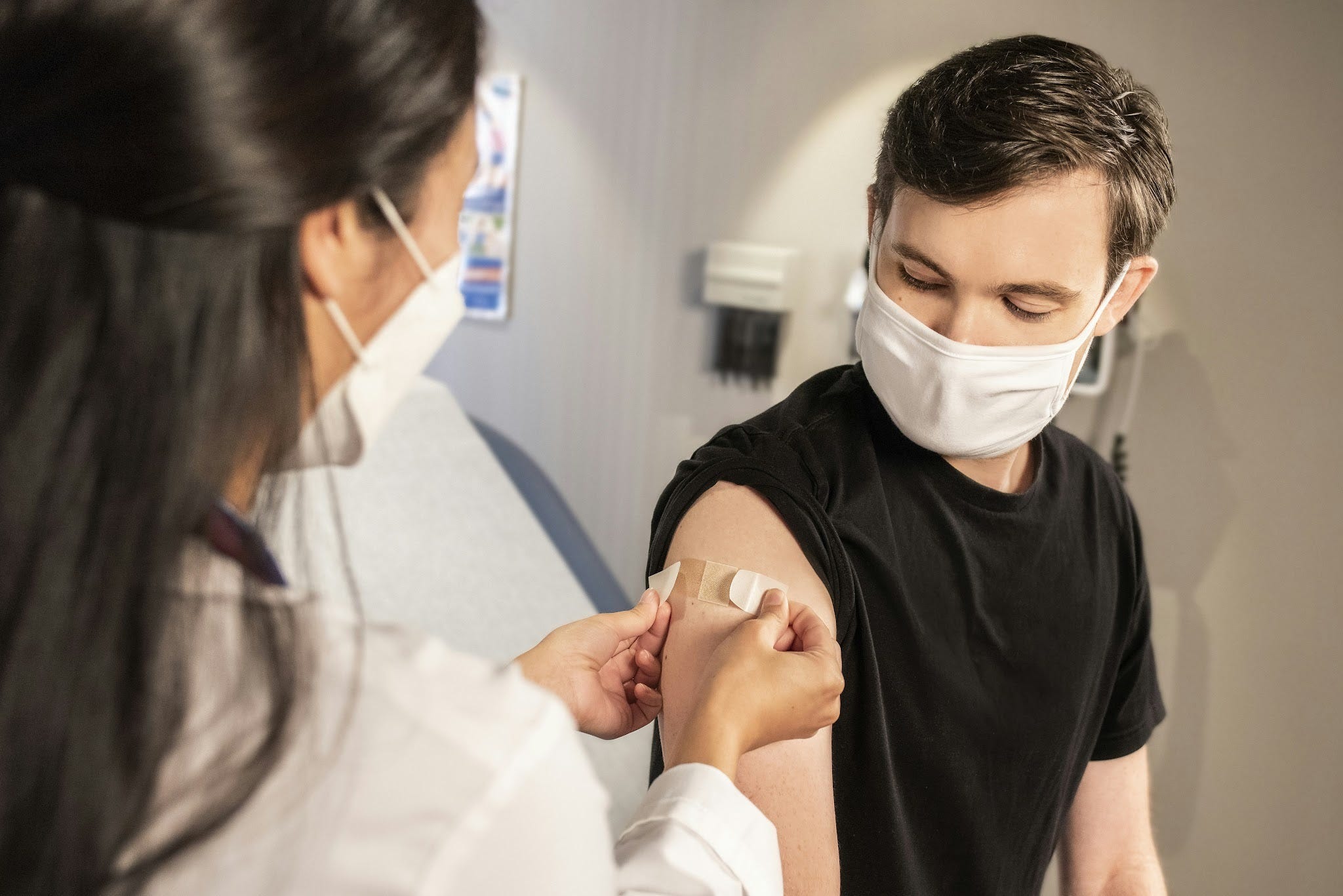
In the UK vaccines are offered to babies and young children to prevent diseases such as measles, mumps and rubella. However since January 2026 UKHSA data shows a total of 371 confirmed cases, with 90 cases in the past 4 weeks. With a disease such as measles still being present within the 21st century, there is a creeping sense that communities are losing trust in our healthcare systems and are losing a sense of security.
Other diseases such as smallpox, polio and tetanus, which used to be life debilitating or even caused death, have significantly reduced throughout the UK due to the introduction of vaccines.
University Perspective
Miss Chatelle who studies at Oxford Brookes University shared her opinion on why some students are reluctant to accept vaccinations. She stated: “It would most likely be from misinformation”. With the UK being an extremely developed country, it poses the question as to why people are losing their lives to diseases that can be prevented?
Miss Chatelle continues and states that, “It could also be because of the fear of side effects, for example for COVID, a lot of people said “oh my God, but I’ve heard that someone didn’t have their period for like 3 months, which honestly is a bit scary”.
Chatelle’s own opinion as a university student highlights that her fears are quite common throughout other students.
Chatelle is a psychology student and she also stated that, “If you have a fear of needles, then that might make an impact on why people don’t get vaccinated”. This is in connection to an Oxford University study which argued that if the UK treated needle fears then there would be a decrease of Covid-19 vaccine hesitancy. Their website claims that, “injection fears partially account for higher rates of vaccine hesitancy.”
Young people attend university not only for a degree but also to socialise, go clubbing and experience independence. This is why they are at a higher risk of contracting meningitis, because of their higher levels of socialising.

Dr Sherine Thomas, Infectious Diseases Consultant at UKHSA, said:
“Although the risk to the wider population remains low, it is still really important that people know the symptoms of invasive meningococcal disease and seek immediate medical attention if they or anyone they know develops them. UKHSA continues to work with partners to identify contacts and offer necessary treatment.”
UKHSA’s website states, “As of 12:30pm on Friday 20 March, 4,500 vaccinations have been given and over 10,500 doses of antibiotics have been administered.” This highlights the rapid response of healthcare professionals as well as Kent University itself.
When questioned if the outbreak could have been prevented a Kent resident stated, “Yes I think it would’ve been better if initially there was more awareness of exactly how it spread as this would’ve highlighted where the main risks are.”
Although the rapid response of vaccines and antibiotics offer some security, they do not bring back the lives that were taken last month. This injustice asks the question that if university students are more at risk of contracting the life threatening disease, why are they not offered the vaccine for this particular strain, like all other vaccines?
The importance of communication and trust
The short term effect of the recent meningitis outbreak is that if you suspect you or someone else has symptoms of meningitis then you must get emergency medical help. Even though there may be speculation on social media and other websites, it is vital to always get your health and welfare information from a trusted medical website, such as the NHS or the World Health Organisation (WHO).

If there was more awareness of meningitis throughout universities then there could have been a chance that the recent outbreak in Kent could have been prevented. The recent outbreak has been a wakeup call for the UK Government and other higher health officials to look after our young people and students. This wasn’t just an outbreak of meningitis but one of neglect as well.