



At Oxford, all-nighters have become something of a rite of passage for medical students.
With its historic colleges, demanding laboratories, and university hospitals that require night shifts, the city’s academic and clinical workload is among the heaviest in the country.
Dr Luci Wiggs, a professor of psychology, has observed these habits for years. “Oxford combines an exceptional academic workload with a highly structured hospital life. Medical students internalise the idea that sleep is a luxury. Between exams, night shifts and anxiety, rest always comes second. This creates a vicious cycle of fatigue and stress that affects both learning and mental health,” she explains.
For Bianca Mjielde, a fourth-year medical student, this schedule has completely disrupted her sleep patterns. “I know it’s not healthy,” she admits, “but if I sleep, I lose a night of revision, and that feels worse.”
She is far from alone. According to The Sleep Charity UK (2024), over 65% of UK students sleep less than six hours per night, with medical students the most affected group. The British Medical Association reports that nearly three-quarters of trainee doctors feel chronically sleep-deprived.
Coffee and Melatonin: Desperate Measures
In Oxford, coffee is almost a currency. “I drink five or six cups a day, sometimes more during exams. Without it, I just crash,” says Joe Clarke, a second-year medical student.
But coffee, Dr Wiggs warns, perpetuates the cycle. “Students drink to stay awake, but it disrupts their circadian rhythms, making sleep even harder.” A study published in The Lancet Public Health in early 2025 confirmed that high caffeine consumption among young adults impairs concentration and sleep cycles.
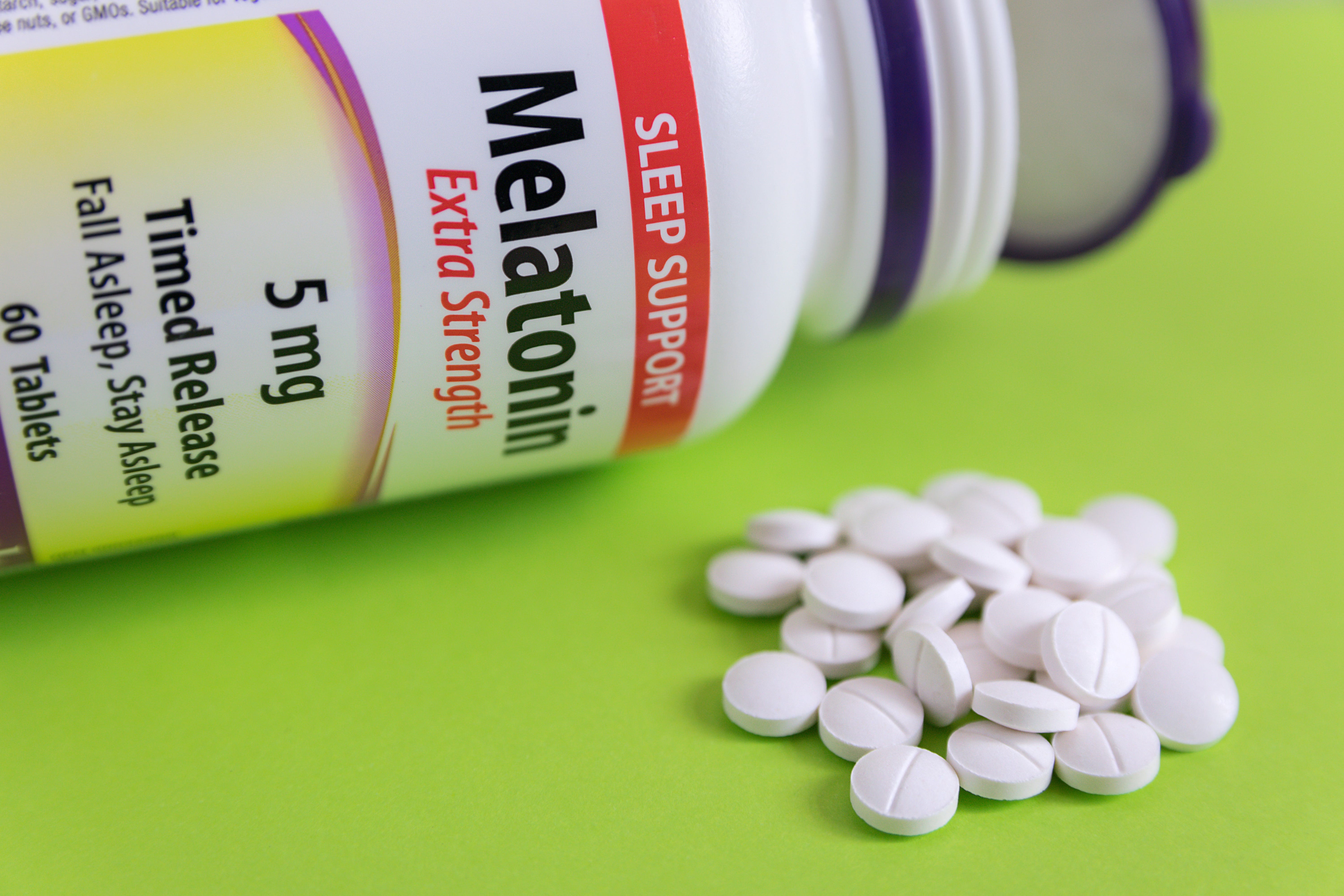
When coffee is not enough, some turn to melatonin. “I take melatonin almost every night,” confides Noa Serfaty, 23. “At first it was just to reset my sleep schedule. Now, I can’t fall asleep without it.”
The Toll of Sleep Deprivation
This culture of exhaustion does more than make students tired – it affects their health and learning. “Sleep deprivation impacts memory, concentration, and decision-making,” says Dr Wiggs. “For medical students, this is dangerous. You can’t learn to care for others if you’re constantly running on empty.”
The NHS has recently raised concerns about this trend. In 2024, mental health referrals among medical trainees rose by 22%, with burnout, anxiety, and chronic fatigue cited as the leading causes.