


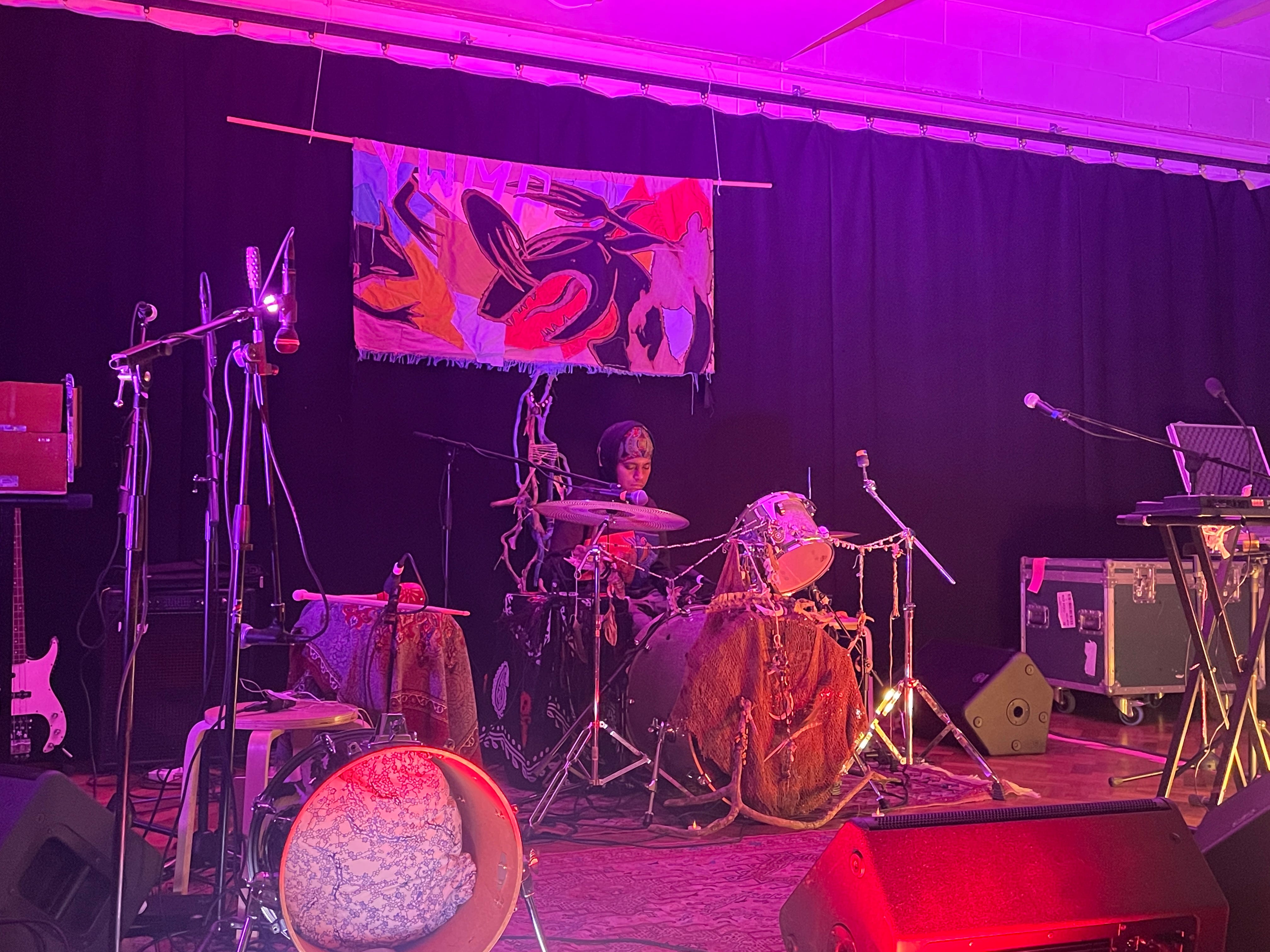
When Wonegwe Torin Wenda, a multidisciplinary artist and musician, was young, she and her mother performed as the Lani singers.
‘I just remember going to live, trying to get live gigs, just being treated differently and horribly, and simply the fact that we were women, and if we were men, I’m sure that we would have had a different experience.’
‘And it’s misogyny, but also there’s the race element, and there’s so many layers within that,’ she added.
Wonegwe is from a region in West Papua, called Wamena, currently living in the UK, in exile. Although she spoke quietly, her words carried weight.
‘From what I’ve seen, it’s just the level of, I think, the way that men have approached my mum or just a sort of level of lack of respect. There’s no like seeing each other as equals.’
She also added that she expected to experience in the near future. ‘I just witnessed it, but I know I’m going to experience it, as I’m sure the next time I do more gigs and whatever, I will experience this, and I’m going to be equipped with things.’
But how can she be sure that she would experience the unfairness in the music scene?
This is because misogyny has existed for many years in the music scene and entertainment industry, and there are still musicians who suffer – not only women, but also LGBTQ+ people and those of different races whose struggles have been overlooked.
“Little has changed.”
Some of you may remember a BBC article in 2017 that music festivals’ headline slots were monopolised by a small band of male rock musicians over 10 years.
Their study also found that ‘[s]ome eight out of 10 top slots were occupied by all-male acts, analysis of more than 600 headline appearances across 14 major festivals found.’
In response to this issue, the PRS Foundation’s ‘Keychange,’ one of the international movements, began in 2017. This project encourages festivals and music organisations to include at least 50% female or gender minority artists and musicians by 2022.
‘The Keychange pledge is open to signatories from all countries, and with 222 out of 613 signatories, the UK currently has the highest number of Keychange Pledge signatories,’ according to the PRS foundations.
However, a UK Parliament report, ‘Misogyny in Music on repeat in 2024-2025,’ published by the Women and Equalities Committee, uncovered some shocking findings.
‘A year after its publication, little has changed with women in music still facing significant barriers, including unequal pay, ageism, and being more likely to take on childcare duties.’
They summarise the report and say, ‘Sexual harassment remains pervasive, especially among women from minority backgrounds, disabled women, and LGBTQ+ women, with reporting rates low due to fear of retaliation. The need for Government intervention is clear.’
The MU’s ‘Women Musicians Insight Report’ also published data in 2024 that ‘[d]espite 51% of the women surveyed experiencing gender discrimination and 47% of surveyed women from the Global Majority experiencing racism, only 11% and 8% of those women, respectively, reported it. 32% of women musicians had been sexually harassed while working, with Global Majority, disabled, and LGBT+ women all more likely to experience it. 23% of disabled musicians had been sexually harassed.’
People who challenge the structural system
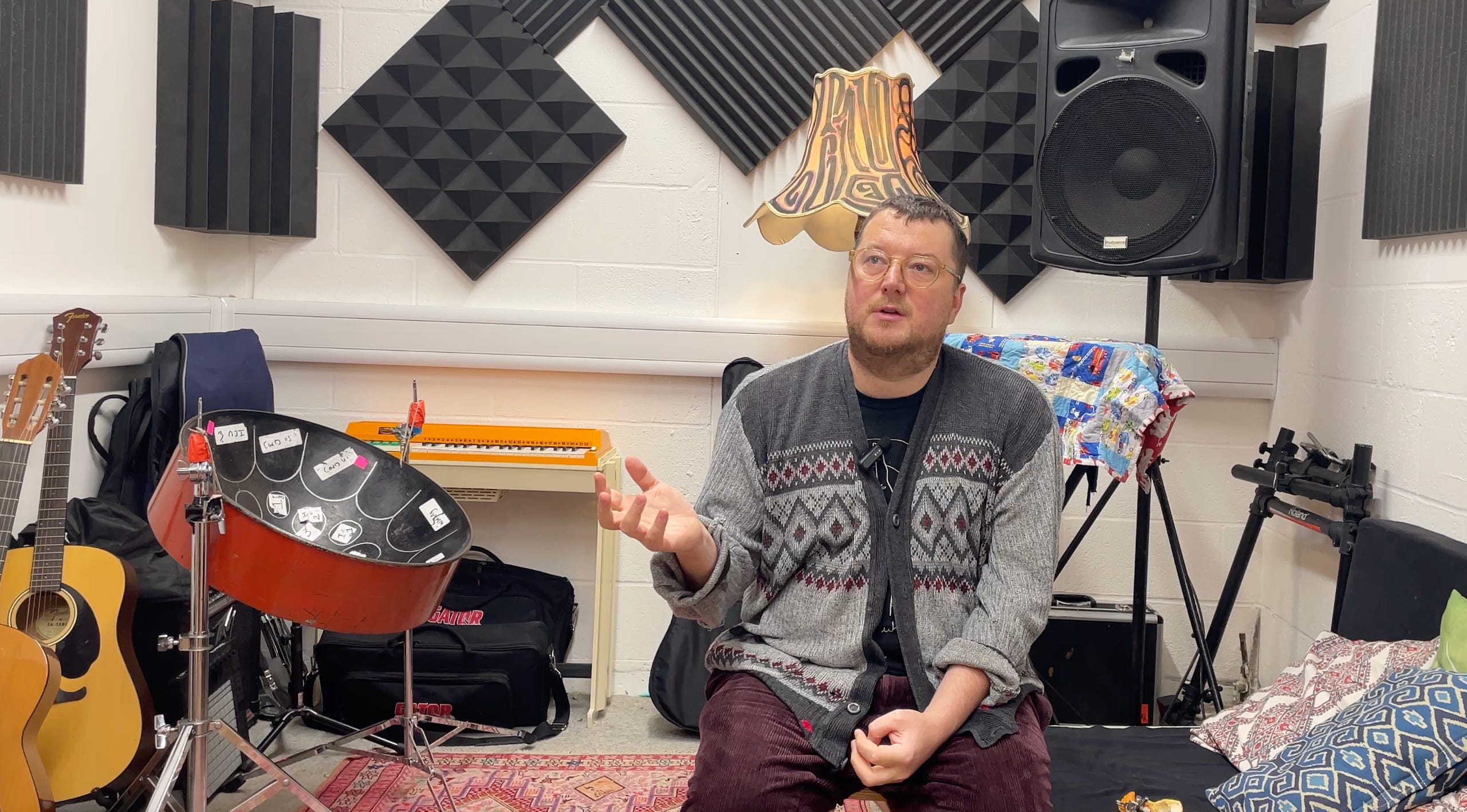
Aiden Canaday, who runs Divine Schism, which is a local music promoter and also one of the board members of Young Women Music Project (YWMP), shared a comment that there has no significant change.
‘Even with Truck Festival, which is next year, the biggest local festival, they’re quite a big festival in the UK, they’ve just announced their headliners, and I think only CMAT is female artist, and all the rest are kind of white, middle class men – all bands that have probably played every year, and that’s quite disappointing.’
He fought back against the problem and said, ‘I think it’s definitely in people’s minds, at the forefront. I think about the divine schism shows and try to platform more diverse bills with every show, avoiding all-male lineups.’
‘We run about 80 shows a year in Oxford, and maybe four or five are all-male, but it used to be very different. Progress is slow, but by doing things and creating opportunities, more diverse bills will eventually rise. We are at the grassroots level, but that’s where it starts,’ he added.
He’s not the only one rising to challenge misogyny.
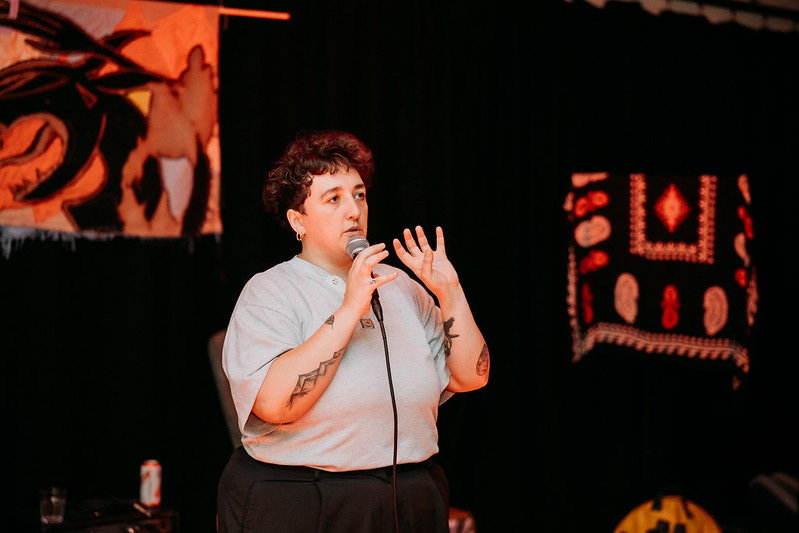
The YWMP Director and musician, Zahra Haji Fath Ali Tehrani, started the ‘Safer Spaces Project’ after a particularly traumatic incident that happened to one of her friends.
‘A friend of mine was assaulted at a show by security in 2023, and it was a gig I was playing, so I was very upset to know that that happened, and I felt really powerless and realized that not a lot had changed since I was a teenager,” Zahra spoke calmly throughout, but her words carried passion.
Safer Spaces Policy
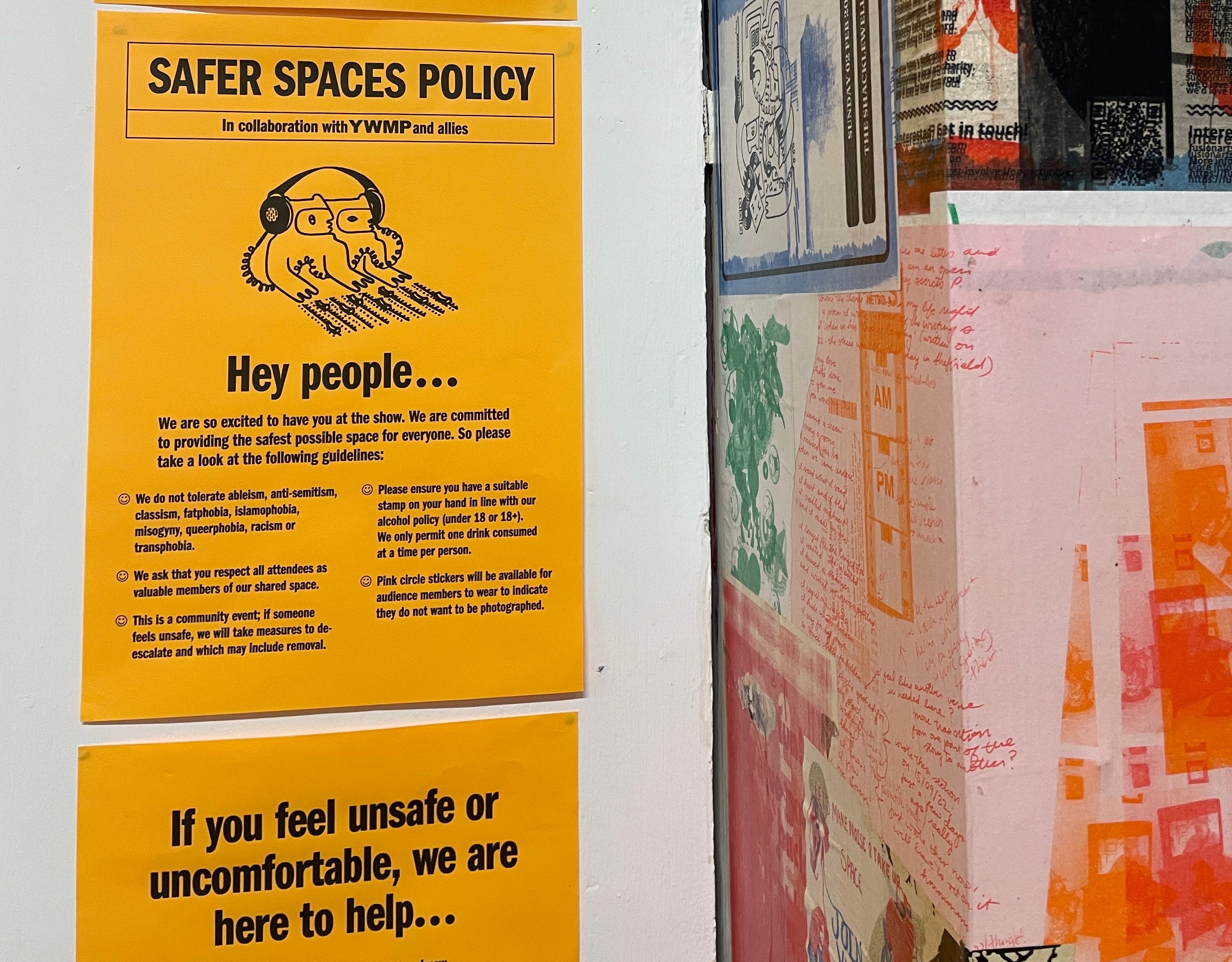
She shared with us the behind-the-scenes of making policy. ‘We set up a committee and started developing a policy across five cities: Oxford, London, Manchester, Liverpool, and Leeds. So we did lots of consultations, some panel discussions with lots of industry people, people from all backgrounds who worked in the industry – whether they’re musicians or promoters – were involved in the panel discussion.’
Usually, there is a ‘Safer Spaces Policy; in public events; however, Zarha said, ‘That list doesn’t have a set of procedures that line up with it.’
She wanted to make sure that they had procedures so that if any of those things did happen, they knew what to do.
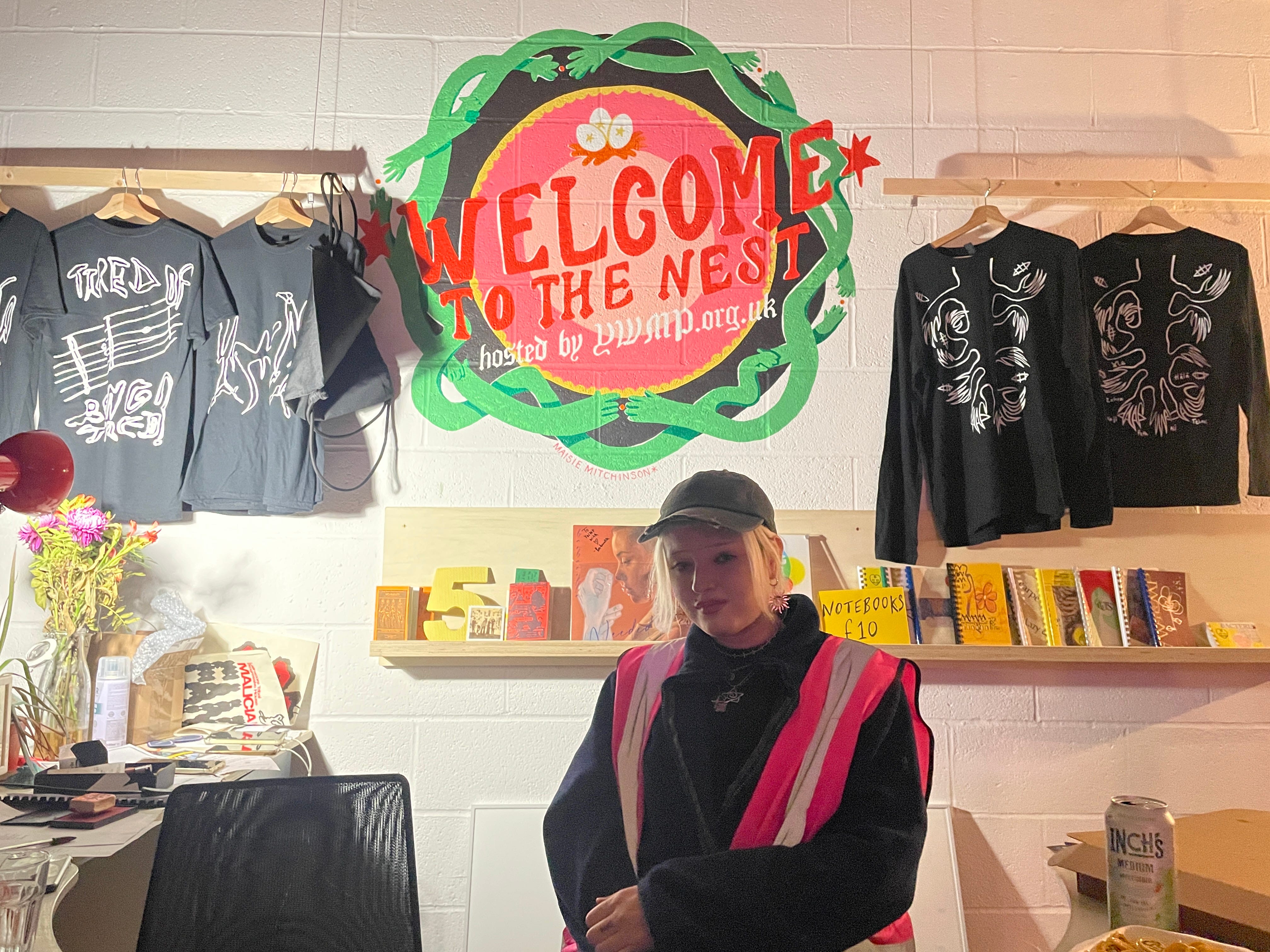
For example, they have safeguarding leads, volunteers trained in safeguarding and de-escalation.
One instance of this is ‘moshing,’ which takes part in more extreme genres of music, where people may participate in jumping, pushing, and shoving each other around.
Responding to an incident, they tried to be clearer about where you can and can’t mosh in their space.
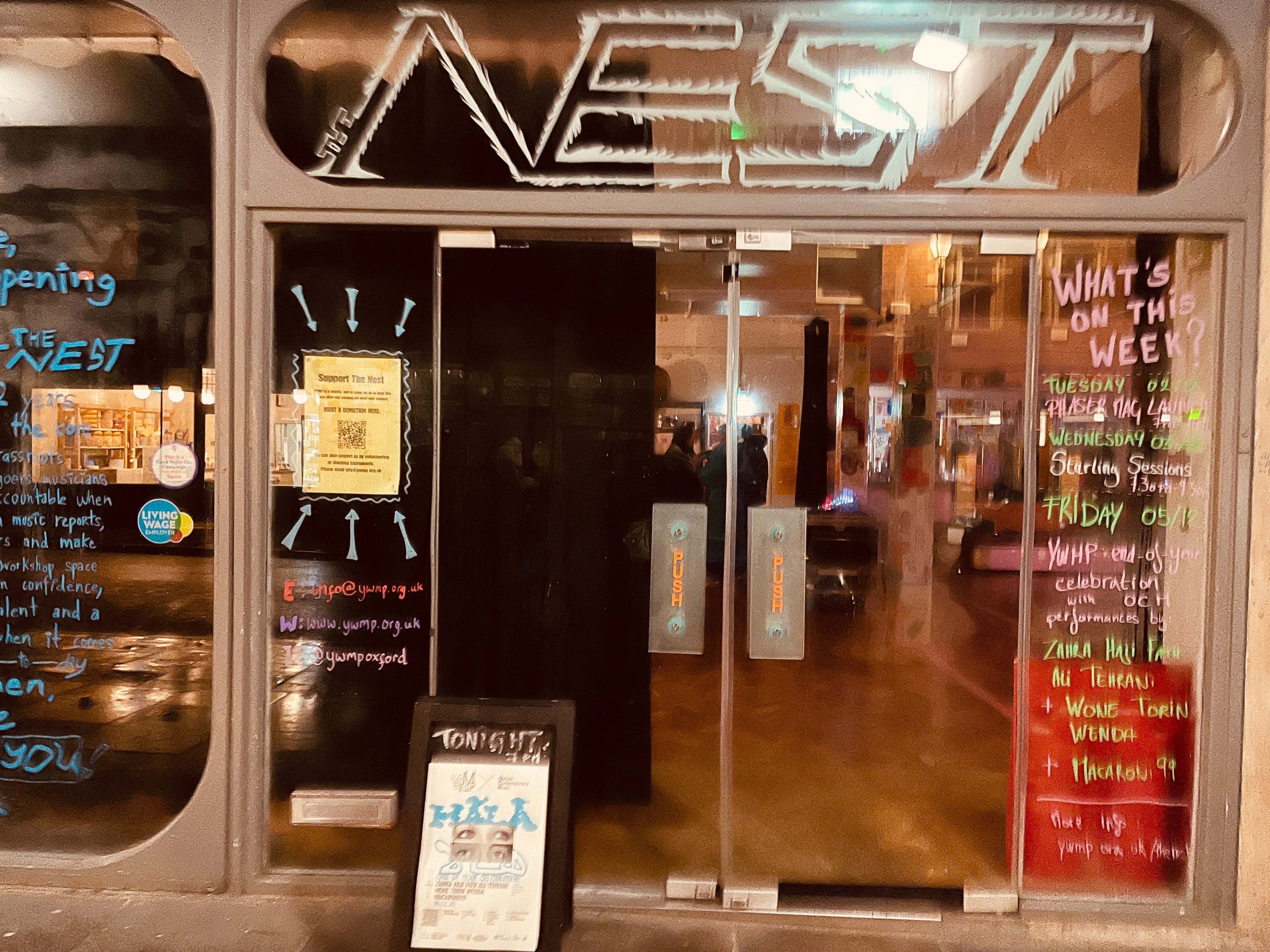
In the middle of the project, ‘The Nest’ on Little Clarendon Street in Oxford, owned by Oxford University Development, was established three months ago, which enables them to test the policies physically.
After three months passed, she expected there would be more changes. ‘I would say there have been many changes to the policy since we’ve opened because it’s a living, breathing document. It means that we’re trialing and testing each element . . . we’ve taken into account any sort of feedback and we’ve been developing it as we go.’
Building a community
When she got interviewed by the BBC about the article stating that Oxford is the number one city in the UK for rock music, she pointed out Supergrass, Radiohead, and Foals – all of which come from Oxford – but they’re all cis, white men who come from privileged backgrounds that give them a start that not everybody else has. ‘Building a community is a key to feeling safe,’ she said.
‘I’m always releasing and performing in a way that’s about it, it’s around community and building community and playing in spaces like this, but in other cities and working with people that I trust and like, building a network like that. And it’s really hard, but it’s so worth it, because you feel safer when you’re playing shows and people respect your needs.’