


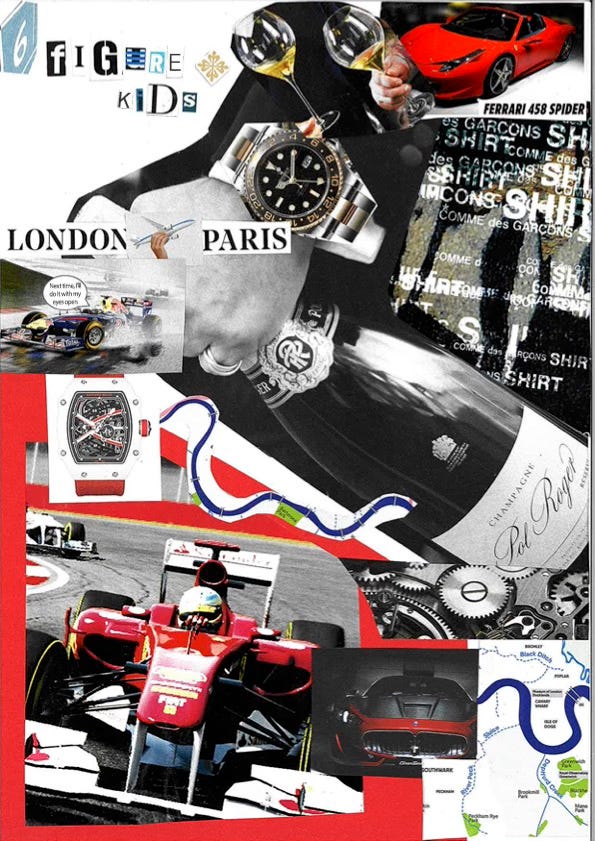
Formula 1 has experienced a rapid influx of popularity following the success of the Netflix ‘Drive to Survive’ series. There are more pairs of eyes on the sport than ever before, resulting in an increased number of ‘I want to be a racing driver when I grow up’ proclamations from children worldwide. However you can’t get started by popping down to Sports Direct and handing them a £20 note like you would with football or rugby.
The world of grassroots racing seems tame from the outside. You may expect that it’s as simple as heading down to your local track until a scout from McLaren or Red Bull taps you on the shoulder, offering you a one-way ticket to untold fame and riches on the world stage. This, unfortunately, couldn’t be further from the truth.
The winding road to becoming a Formula 1 World Champion actually starts long before the driver even steps in a car, or a kart for that matter. In fact, it starts long before they are born. Money is king when it comes to racing, and Mum and Dad will need to have some pennies lying around.
The Drivers
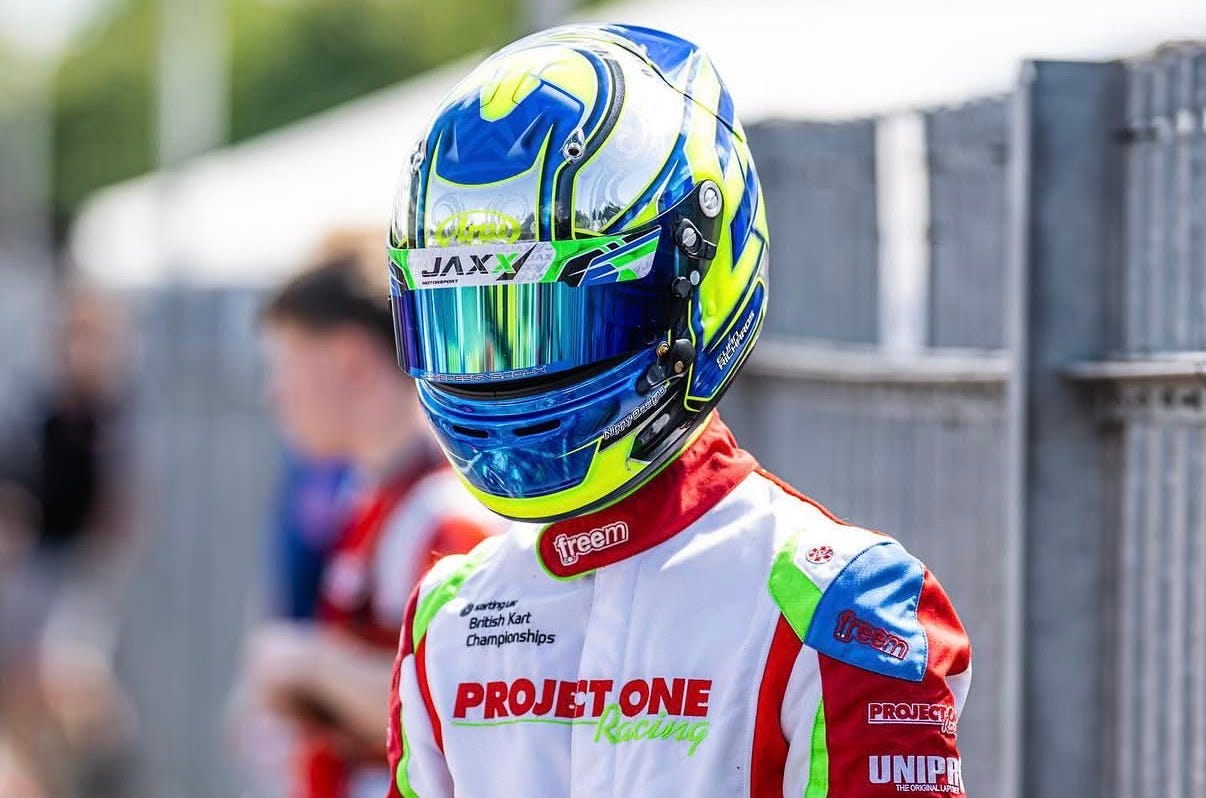
Euan Richards, Senior Rotax driver for Jaxx Motorsport, has been racing in karts competitively since he was 12 (which could be regarded as slightly too late, considering there are professional classes for kids as young as 4 in the UK). He began his career at Red Lode Karting, a circuit local to him that offered a day of racing every month for the entire year, “An average Red Lodge weekend was about £400, £500 a weekend”. In karting standards, this is considered cheap and cheerful. With a spend of over £6,000 a year, one would expect the scouts to come knocking, surely?
But no, a budget of £6,000 will get you a half-decent season at club level in the UK; rarely streamed races with varying levels of competitors from round to round. You’d need to look to national racing for chances of real exposure, and those tend to cost even more. Euan later competed at Paul Fletcher International, the UK’s most prestigious circuit. Costs continued to hike, with no guarantee on any return on investment; a game of roulette would have given you a higher chance of getting your money back.
“we’d be looking at about £1,700 a weekend”
Nevertheless, parents channel thousands of pounds through their children every year, all in the hope of them making the big-time. The money spent needs to be matched with commitment - not only from the driver, but family and friends surrounding them. Putting so much pressure on young people does have its effects. Euan explained the, “huge financial burden on [his] parents and people around [him]”, and the importance of his dedication to the sport.
The levels of commitment required to succeed in the sport can alter a young person’s upbringing; current Formula 1 World Champion Lando Norris would only spend two days out of five in school when he began karting, with the rest of the week dedicated to training, testing. Despite the peak of his karting career coming in his later teenage years, Euan had nearly every weekend with the visor down, “I had one weekend where I could do something [other than karting], but what do I do? I’m just so used to going around the country all the time”.
Reuben Whitehead, an engineering student from Pembrokeshire, had the same ambitions as Euan growing up; to be a racing driver. He was provided with the opportunity to became an Oxford Brookes Racing driver last year, competing at Silverstone and Autodrom Most in the Czech Republic. However, his early days in motorsport were filled with as much rental karting as he could afford, relying heavily on his part time job to fund his racing, “I met a few mates through [rental karting], some of which are doing GT4 now, so it opened my eyes as to what could happen if you had the money”.
“I mean, if you waste a pair of football boots you’re only spending £200, if you bend a chassis then it’s a couple of grand; it’s definitely different [to other sports] pressure wise”. By nature, motor racing relies on the equipment available to the driver. Usually, those with the best machinery at their disposal find themselves at the front of the grid, as did Euan with Jaxx Motorsport, “Its one of the major teams in the UK, not only expensive but they have so much equipment that there’s really no excuse to not be at least a bit fast”.
Just Racing?
To succeed in motorsport is a six-figure investment, with other sports catching up in terms of expenses attached. Ski racing can require a cheque of up to £80,000 per year for youngsters, with extensive travel and hotels paired with vast amounts of expensive equipment needed. Equestrian is another expensive one, with costs starting at £10,000 per year with expenses revolving around the livelihood of the horse, as well as both rider and animal’s training and travel.
I don’t wish to be the bearer of bad news here, but unfortunately the days of just talent being enough to take some athletes to the top level of their sport are over. It seems that all racing drivers nowadays have ties to evil insurance empires or suspicious oil reserves across the world.