


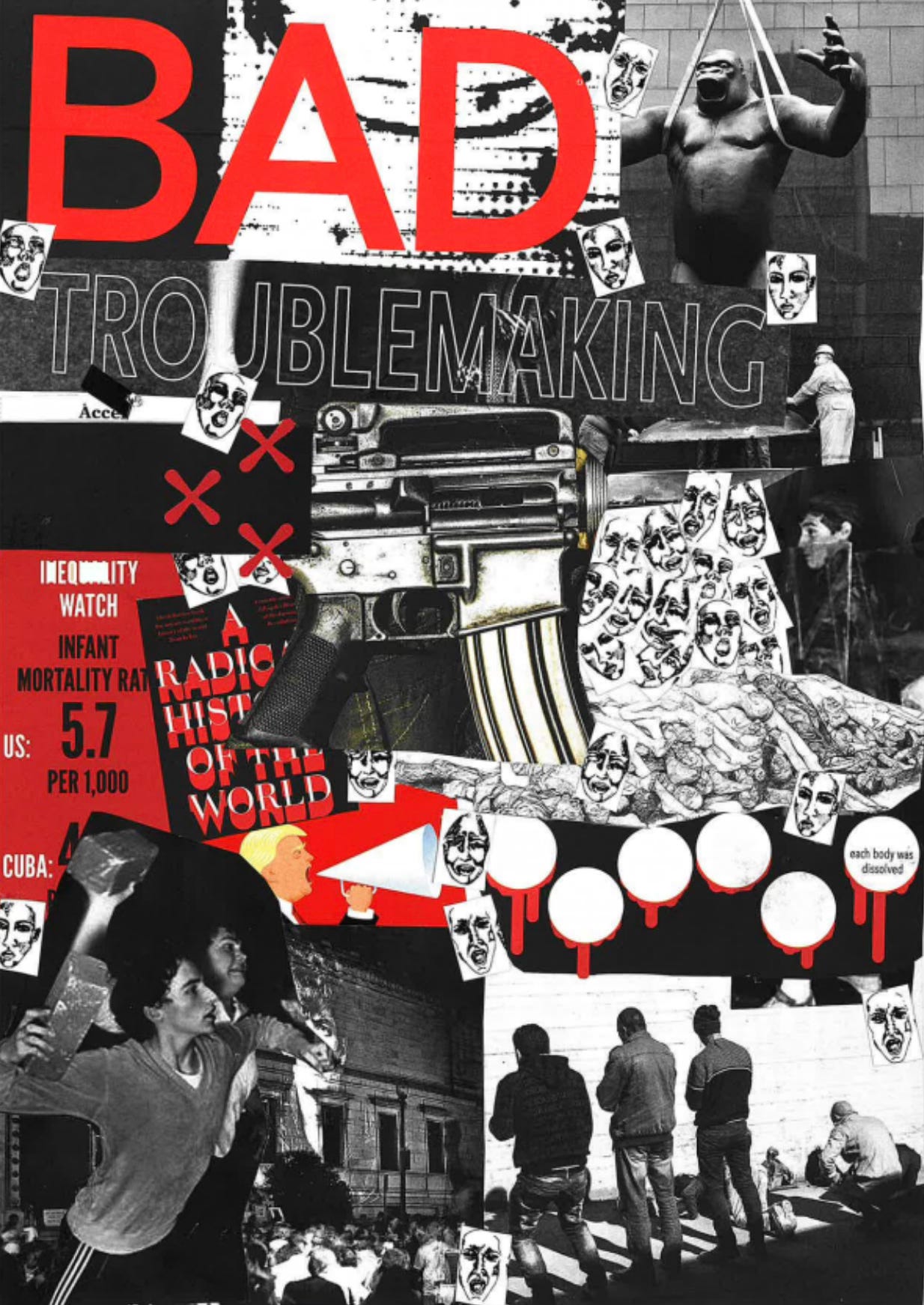
Protest still has a place in public life in Britain. Marches, rallies, and campaigns still draw crowds. Young people follow politics closely, and many talk about war, migration, housing, and rights every day. They care about public life, but many stay cautious. The gap between interest and action sits at the centre of this feature.
Ryan is a third-year law and criminology student at Oxford Brookes University. He went to a protest in Epping, where he lives, after seeing crowds gather outside the Bell Hotel. He lives less than a minute away, so the event felt close and immediate. He first went out to see what was happening. The protest then gave him a direct view of how tense public action can feel.
This article asks a simple question. Do young people still believe protest works? It answers that question through Ryan’s account and his views on fear, division, and public pressure. His comments show a generation that pays attention to politics but often hesitates to step forward.
“A lot of people are centrist… because they’re too scared to take a side,” Ryan says.
That fear matters. It shapes how young people speak, post, and protest. A clear opinion can now bring instant judgment from strangers, friends, employers, or cameras in the street. Ryan links that fear to a wider split in politics, where public debate often feels harsh and unforgiving.
“I personally think that more people are divided… It’s like either you’re left or right,” he says.

His words point to a sharp political mood. Public life now feels more fixed around sides, labels, and conflict. That pressure can make a protest feel risky, even for people who care deeply about an issue. Ryan still believes public action matters, but his account shows that fear now stands beside political engagement.
“People are scared in the sense of it affecting them in the long run,” Ryan says.
Such fear affects the behaviour of youth in society. Young individuals tend to consider the future impact of joining protests. Most companies look into an employee’s social media account before hiring them. Videos from such protests circulate rapidly online. Ryan experienced this effect firsthand. He laughed with his friends about being featured on television; however, the reality was different. A demonstration can become part of one’s permanent history. As such, attending such rallies may become counterproductive for a young person’s future. Fear will not deter youth from political interests. Instead, it deters them from taking action towards their causes.
“Social media shows the bad… it rarely highlights the good in what protesting does,” he says.
Content on various digital platforms shapes perceptions of protest activities. Social media posts emphasise conflicts, arrests, and other forms of tension between protesters and authorities. The viral nature of such content means that it reaches millions of viewers within minutes. The positive outcomes of the protest remain unnoticed. Therefore, there is a negative perception of such movements. Ryan attributes this to the exaggeration and distortion of events on digital platforms. Individuals may post videos of demonstrations in a misleading manner.

”People now are more engaged in politics,” Ryan claims.
Youth are exposed to political content daily. News, video clips, and opinions are available on social media, covering the world. It ensures people stay up-to-date on any issues. There are discussions and sharing on these platforms between friends. Such activities demonstrate the engagement of people. Nonetheless, being interested in something may not translate into doing something. Thus, Ryan’s opinion implies that people have the needed awareness but lack the confidence to act.
“I’d say it’s quite effective, actually,” he continues.
Protest remains powerful. Numerous participants ensure their presence is noticed and reported by the media. Independent recording of events by the public increases information circulation. As Ryan himself witnessed when taking part in one of the protests, it also helps in spreading footage through social media channels. Therefore, the actions of people might be useful for awareness raising and putting pressure on politicians. However, scepticism towards the effectiveness of protests prevails among many youths. This makes the role of such actions ambiguous – they happen and catch public attention; yet, changes following them might not be that significant.
Another student stated, “[protesting] doesn’t really change anything anymore.”
This perspective is shared by numerous young adults who do not believe protest can make a difference in contemporary politics. While there are others who are sceptical about the results of demonstrations, they go hand-in-hand with Ryan’s opinion on the effectiveness of public action.
“It will definitely grow… it’s going to get worse and worse,” Ryan adds.
There is no end to protest movements. Public unrest, political disagreements, and international problems contribute to the increase in protest marches. Young people, in particular, remain concerned about the state of affairs. However, whether this increase in activism is ultimately a positive or negative to society is still a widely contested idea that we may never agree on.