


Comparison of data between the England and Wales Census 2011 and 2021 reveals that Barton is the only area in Oxford to have an increase of houses owned with a mortgage or loan over the ten years.
Although Barton’s increase of 1.1% may initially seem insignificant, ownership of houses with a mortgage or loan decreased significantly in every other Oxford area, and fell by 12.3% overall in Oxford.
Barton, an area in North East Oxford, is described by Barton resident Shane Dempsey as “always an area of the city that was undesirable”, and has higher rates of poverty than the Oxfordshire average.
However, the overall difference cannot be the result of residents in other areas of Oxford being more financially able to afford to pay their mortgage off, which would shift residents from owning their home through mortgage to outright ownership, rather than house ownership decreasing. All full house ownership in Oxford decreased by 3.2%.
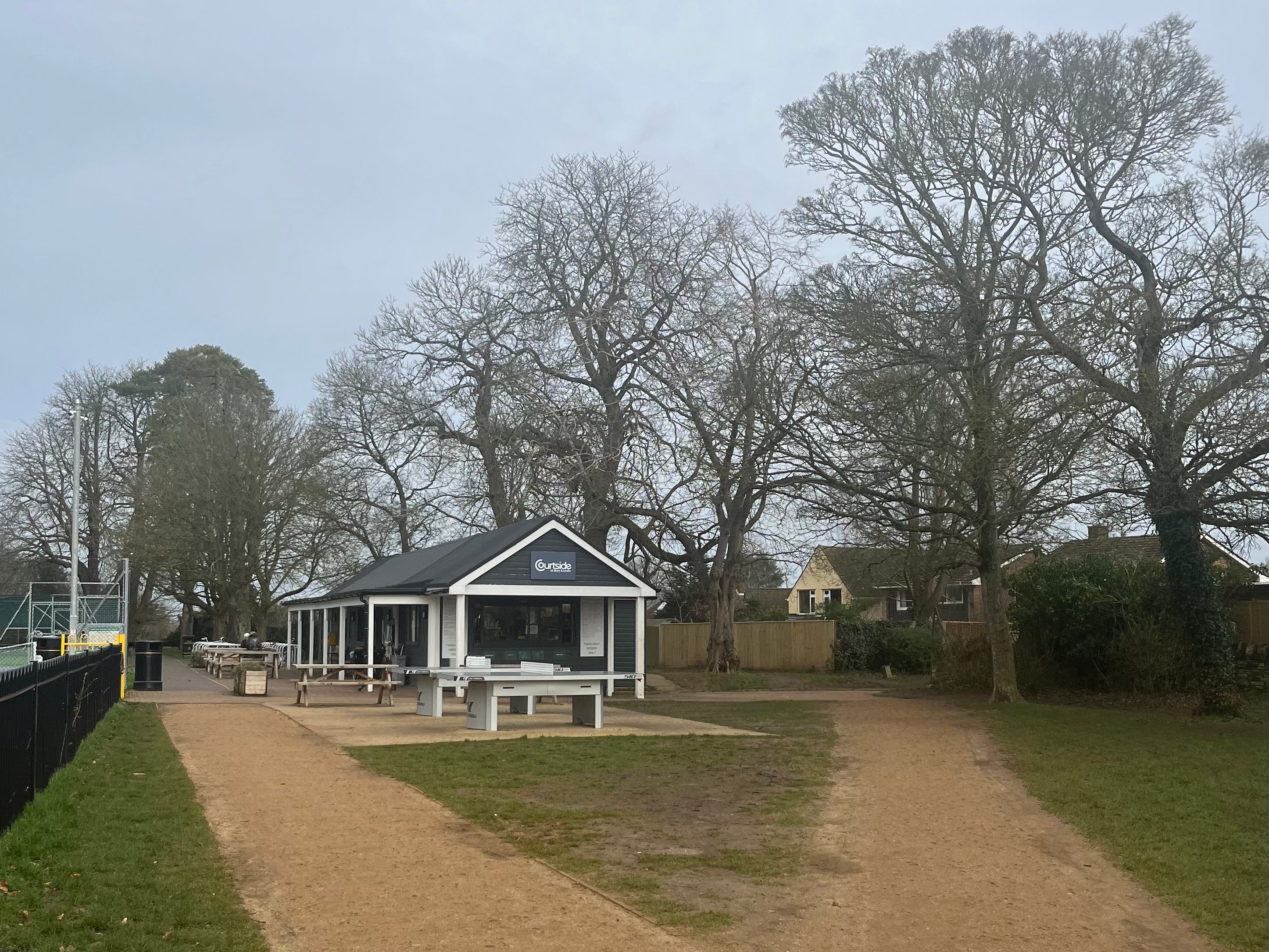
The increase in Barton can be explained through the recent development of Barton Park, the largest residential development undertaken in Oxford since the 1970s, consisting of housing, a school and community sports facilities.
Development of the new housing estate began in 2015, and is set to finish by 2027. The first stage of this project was completed in 2020 and supplied 237 houses, with 95 being let at social rent.
New homes have allowed additional access to council housing, with social renting increasing in Barton, and given first-time buyers the opportunity to own their home. Barton Park enabling this speaks to all of Oxford’s desperate need for further housing.
A shortage of homes within Oxford has been a long continuing issue. Oxford is only a small contributor to the UK’s housing crisis, fuelled by population growth, increased life expectancies and changing lifestyles. The Government estimate 300,000 new homes are needed per year.
Scarcity of housing leads to acute affordability issues, with house prices rising due to fierce competition. Barton Park being the only substantial housing development in Oxford for the past 50 years leads to competition increasing between Oxford residents, therefore prices rise.
Furthermore, Mr Dempsey stated that “Barton has since been marketed as ‘Headington’ to make it more attractive which has attracted people from outside the city.”.
Headington is one of the most desirable places to live in Oxford, due to its peaceful green spaces, and access to hospitals and schools. Barton’s rebranding increases competition, and price, for housing even further.
The average house price in Barton over the last year was £427,000, £135,000 more than England’s average property value. Prices in Barton Park exceed Barton’s average by more than £150,000.
These prices are not accessible to the majority of Barton residents, with over 40% of residents living in social housing in 2021 and higher unemployment rates than the Oxfordshire average. As a result, resident James Buchanan stated “these properties have largely been purchased by non-Barton residents”.
This is further supported by Barton’s population rising the most of any Oxford area between 2011 and 2021. In contrast, Oxford’s overall population decreased.
The wealth divide within Barton is clear, both from the easier access to facilities for the houses on the Headington-Barton border than houses further into Barton, and through the residents of Barton Park and the rest of Barton. 77% of Barton Park residents feel they have the skills and/or qualifications to find employment, compared to 66% in Barton, according to Oxfordshire County Council.
In order to provide pre-existing residents the opportunity of affordable home ownership, more housing is needed to reduce intense competition.
The Oxford Local Plan 2036, set out by Oxford City Council, focuses on the importance of good quality affordable homes in the right locations.
The affordability gap in Oxford is so extreme that the Government’s standard of affordable rent, rented at 80% of the weekly gross market rent, cannot apply to Oxford. The benchmark for affordability instead within Oxford’s plan is that rent and/or mortgage should be 35% or less of net household income.
More housing developments are currently in progress, such as Canalside in Oxford North, and Northfield in Littlemore. However, there are no plans for a development matching the size of Barton Park, despite Oxford City Council’s aim to build 15,000 new homes as closely to Oxford as possible.