


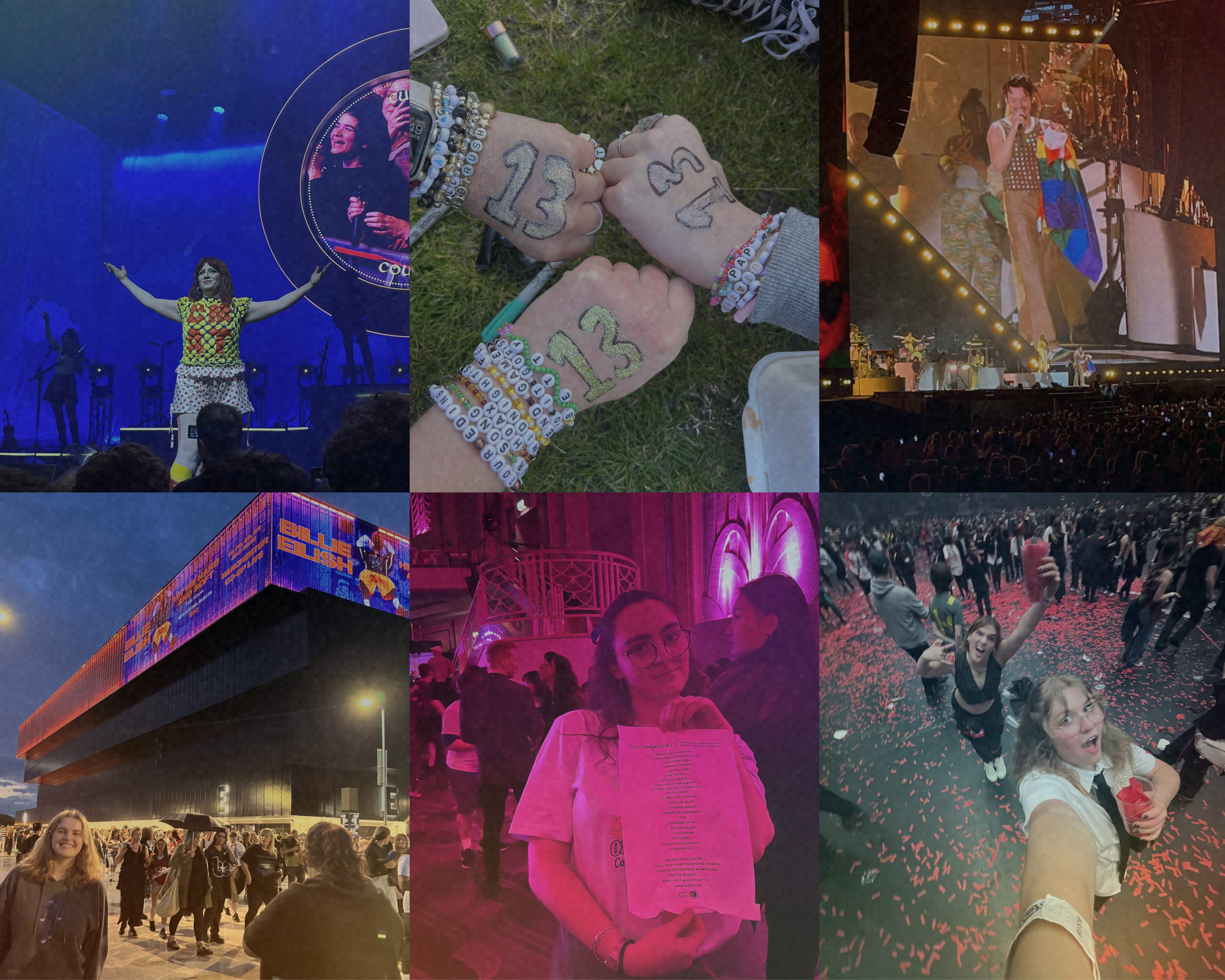
As the age-old saying claims: where there will be musicians, there will be a flurry of fangirls following. Whilst ‘beatlemania’ could be considered the birth of the modern fangirl, the term was first used in 1943 by A.P Herbert, and fangirl behaviour was labelled in 1844 as ‘lisztomania’, in reference to composer Franz Liszt.
Yet, despite this consistency, being a fangirl has transformed from a solo endeavour, with fan clubs prioritising keeping fangirls informed rather than connected, to a welcoming group experience, thanks to the rise of social media. And whilst concerns about social media and a potential ban for under 16s has been raised in the UK, it is difficult to not see the appeal of what this generation of fangirls has to offer.
‘Stan’ Twitter (now ‘X’) and TikTok in particular, named to differentiate the casual fan from the true, dedicated ‘stan’, has become a home for many to openly share their intense love for an artist without fear of being labelled strange. Online fandoms come in all sizes with wide diversity, yet a sense of belonging is inevitable through having a debatably insignificant thing in common.
Online listening parties and planning how many dates you absolutely need to be at for your favourite artists’ next tour are essential fangirl bonding experiences. Making ‘mutuals’, a term used to describe when two accounts mutually follow each other, grows to being a part of groupchats, allowing fans to discover similarities beyond their love for the same artist and grow a genuine friendship.
Posts are swapped for messages, messages for long facetimes, until the friendship transitions to real life, where fangirls can barely imagine their life without the people they would not have known existed, if it weren’t for social media.
This is the case for Lara Mountford, a proud fangirl who entered online fandom spaces at the age of 12, and is now 21. She explained to me that while getting into fandoms young, “at the time, I thought, this is just what I need. And to be fair, it was.”
She stated how group chats are born out of fans going to the same tour date, propelling online connections straight into the real life sphere.
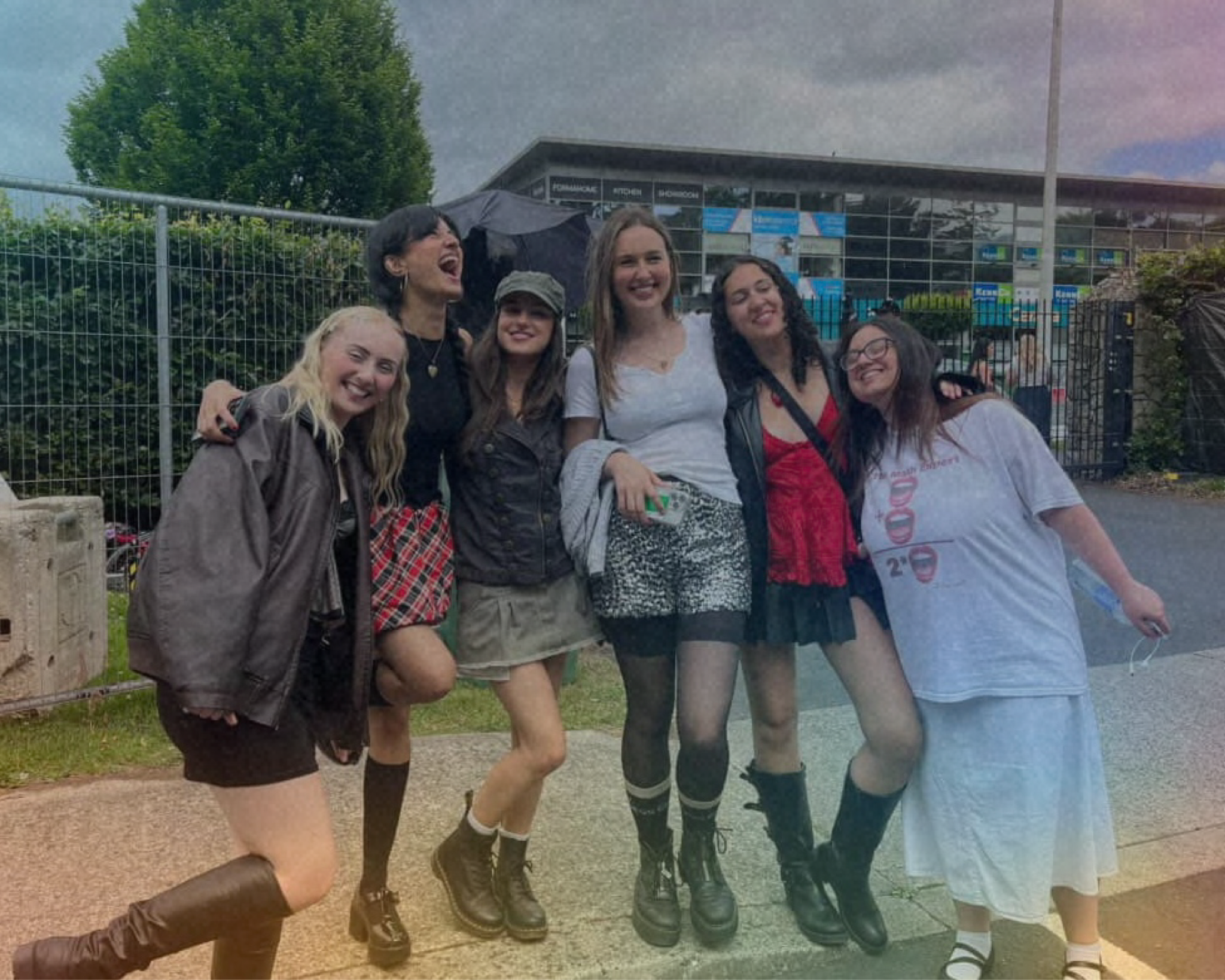
“I’ve seen The 1975 in Birmingham, with some people from a group chat who we’d never met before the show, and we just met up and went together, and it was great. It felt like I’d known them for ages, and I literally never met them until that day.”
In an age of loneliness, for many fangirls it feels like an act of rebellion to find belonging through a device that many claim are taking away from the value of human connection.
With the distance from real life, fangirls become a safe space for each other to both share any worries, and escape the baggage of real life. Finding successful, long-surviving friendships can feel easier online too, due to the instant filtering of people through interests and the lack of location as a barrier.
Lara found this aspect of fangirl spaces invaluable, due to her living far away from London, where a lot of concerts, thus fangirl activity, take place.
“There’s not a lot going on [in Devon]. So in the evenings, especially when I was younger as well, before I could drive, I didn’t have much to do, so I would either watch films and listen to music or talk about films and music.
“When I was younger, it was definitely an escape from school. And when you’re a teenager, you need to escape somehow.”
The appeal of escape in online fandoms can be especially true for those in minority communities, for example people of colour, the LGBTQ+ community and neurodivergent people, who may struggle to relate to those in their real lives.
Dr. Eva Cheuk Yin Li, a media and cultural studies researcher at Kings College London, explained:
“These spaces often feel safer because they allow people to experiment with identity and desires, find validation, and build relationships around shared passions rather than conforming to social norms.
“While online platforms and intra-group fan dynamics can be far from perfect, the ability to curate community and participate can make fandom a profoundly affirming space for those who don’t always find that recognition offline.”
Minority communities within fandoms are embraced through hashtags to celebrate particular groups of fans within communities, from black women to autistic people. Pride flags appear in profile pictures, and the complete normalisation of featuring pronouns in profiles reduces fear of being misgendered.
Fangirls’ support grows by coming together to fundraise, aiming to make a larger impact beyond their community. For example, Harry Styles fans fundraise to celebrate his birthday every year, for non-profit organisations such as Black Girls Rock, Transline and Islamic Relief.
This generosity extends to fellow fangirls, with Lara explaining how one of her online friends “had a house fire and she tweeted about it, and she ends up getting a lot of money in a GoFundMe, because all of her merchandise and everything’s obviously destroyed.”
Being a fangirl is no longer something to indulge in by yourself. Social media has become an integral part to the fangirl experience, allowing many to feel loved, accepted and develop a strong identity of who they are even outside of being a fangirl.
Lara continued that without this 9 year experience, she thinks her life “would be really boring.
“I think I would just act completely different. I think I would be a lot more introverted, a lot more quiet and keep myself to myself.”
No matter how loud a fangirl may scream when their favourite artist comes on stage, or how many tissues they use when listening to a new album, it is safe to say being a fangirl means so much more than love for an artist. It means being truly part of something, and whilst there are valid concerns surrounding social media, it is important to not forget its value.