



As the cost of training increases and the cuts to the performing arts subjects continue, aspiring performing arts professionals face multiple barriers, particularly financial ones, leaving many aspiring talent behind.
Glitz, glamour and standing ovations; why would you not want a career in the performing arts industry? The reality is that it can be a long and expensive journey to your first curtain call or job within the performing arts industry. A 2024 study mentioned in the Guardian revealed that “fewer than one in 10 arts workers in the UK had working-class roots”, demonstrating the accessibility issues for those from non-privileged backgrounds.

The most common pathway, in terms of education, into the industry, is through drama schools or conservatoires. A three year degree course at the drama school, ArtsEd, studying either BA (Hons) Musical Theatre or BA (Hons) Acting, costs almost double the price of a traditional three year undergraduate university course.
On top of this, there are other additional costs as part of the training that are often hidden and before you know it, you have spent an additional £1000 just on audition fees and travel. What are some of the other additional costs, you might ask? The list could be endless, but examples are: dance shoes, musical instruments, different types of clothing, costumes and headshots. These extra costs, that aspiring professionals may not have considered or been aware of, highlights the additional financial stresses and anxieties that can occur when having or training for a career in the performing arts, that other jobs may not have. On top of this, the majority of drama schools, conservatoires and then professional jobs are based in and around London, where there is a higher cost of living.
Speaking to Erin Foster who performed at the Edinburgh Fringe Festival, as a part of the musical comedy FRINGE - The Musical, she said, “performing arts has always been a passion of mine and in Summer 2024 I got the opportunity to perform at the Edinburgh Fringe Festival, this involved transport costs and costume that was difficult to fund myself, a small grant from my university allowed me to perform like everyone else”.
Although there are hidden costs that aspiring professionals may not have considered, the overall cost of training and being in the performing arts industry is a known issue. The National Youth Arts Trust was established in 2013, as a result of the growing crisis in funding for performing arts education in the UK. The National Youth Arts Trust is aware that it can be extremely challenging and often unfeasible industry for young people from non-privileged backgrounds to “find expression, a voice and in many cases a career in the performing arts.” “NYAT’s aim is to provide these young people, aged between 12 and 25, with opportunities in dance, music and drama”.
I spoke to Ruth O’Brien, the Director of Operations at the National Youth Arts Trust, to ask her opinion on the issue of accessibility and how the organisation is improving the barrier of money.
“Of course, if you think it’s incredibly expensive, a lot of the really top drama schools, you can’t always, for example, access a student loan or you might be able to access a small part of the student loan.They don’t always pay for the full amount of tuition fees, unlike a typical degree, so there’s often a huge shortfall that a student has to fill.”
The National Youth Arts Trust grants music bursaries, dance bursaries and drama bursaries, nationwide, for up to £1000 each, to 12-25 year-olds, who cannot afford to access opportunities in the arts. This bursary would typically cover year’s part time dance, music or drama classes or go towards drama school tuition fees.
Ruth said the reasons for young people reaching out to the organisation are “completely mixed”, but is “usually for our bursary scheme” and is “typically someone who’s maybe got a place somewhere (drama school or conservatoire) and isn’t able to access it because they just simply can’t afford it. There’s no way that they could access that kind of money. It’s just unheard of”.
Ruth told me, as well providing bursaries, the National Youth Arts Trust run youth theatre projects which are a “free opportunity where young people can learn the skills and hopefully that lifelong passion for the arts” who otherwise may not have had “those kind of opportunities or perhaps they were very expensive to access”.
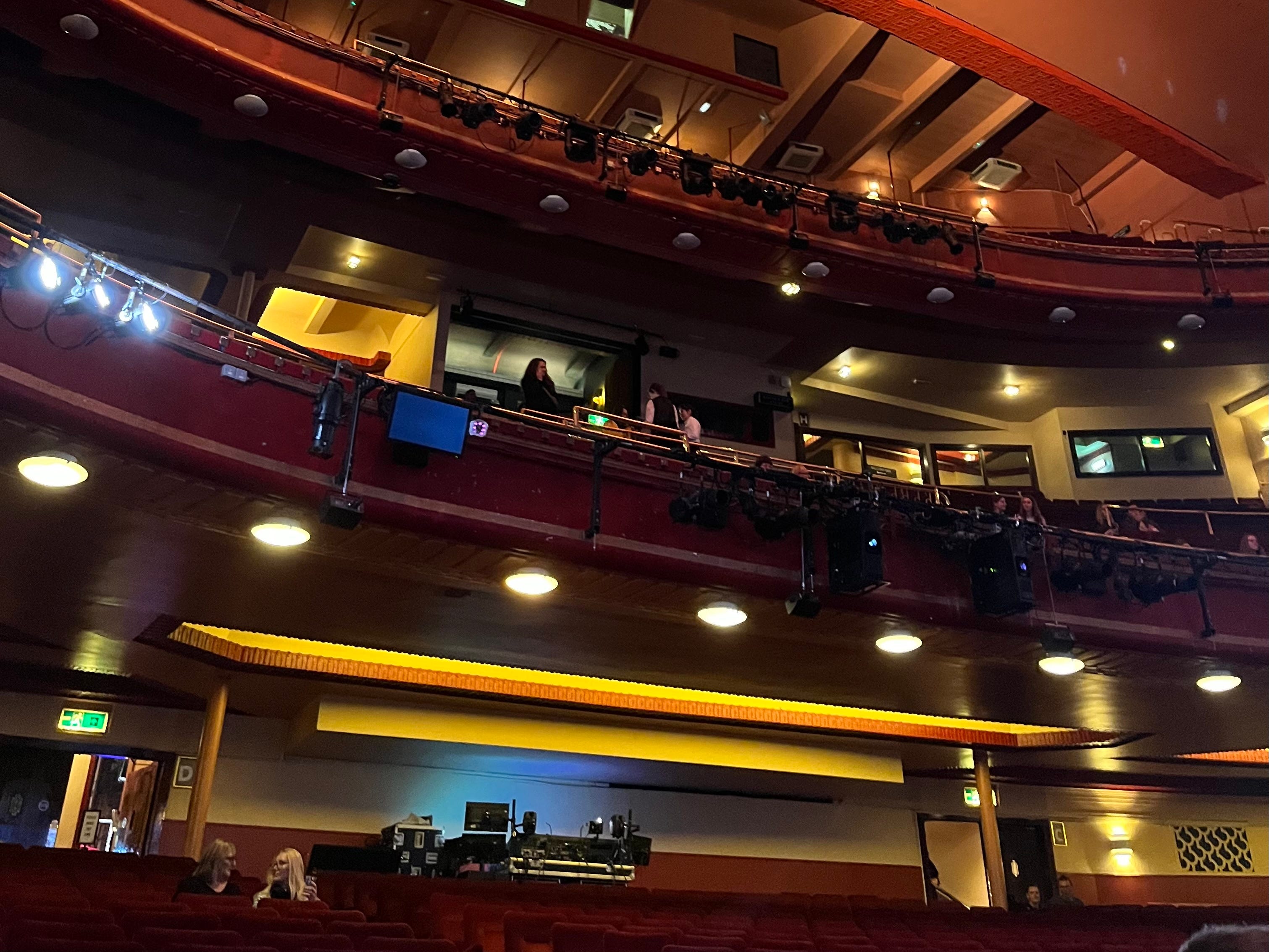
For the performing arts industry to continue to shine and thrive, there are still barriers that need to be overcome to make it a more accessible industry. Doors need to be opened wider, so that opportunity is not reserved for the few who can afford it and those with a passion for the performing arts are not held back.
With organisations like the National Youth Arts Trust whose “main aim is to widen access to an education and a career in the performing arts for young people who are from a low income background”, they are paving the way for more opportunities for young people to access the industry and get their opportunity for their curtain call.