


I’ve never been the type of person who lets something get in the way of what I want to do; but, the looming fear of failure always lingers. Determined, energetic and passionate, I always give 110 percent. In a degree dominated by literacy and written content, it has at times felt impossible to keep up with the high industry standards. This has made me question my future, question my capabilities, and question my passions and interests.
Growing up, I always struggled with spelling and grammar. I labelled myself as dumb and incapable, but soon realised my brain didn’t work the same as others. As a perfectionist, I didn’t understand why I couldn’t proofread, why I couldn’t spot spelling or grammar mistakes, or comprehend grammar rules. When doing creative assignments, I would excel; My attention to detail was impeccable, and my ability to create an idea was endless. My imagination had no limits. Yet writing it all down was where I struggled. I felt defeated and controlled by my learning difficulties.
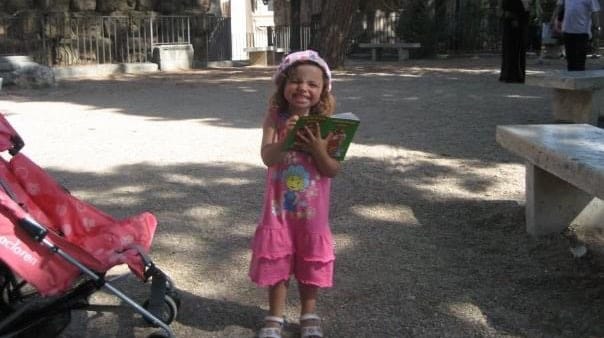
From mixing up my ‘B’s’ and ‘D’s’ to using the wrong their, there, and they’re, it felt impossible to keep up with my peers. I began to hate everything about writing and reading. I started to believe that there was no right job for me. Who would hire someone that can’t spell? It wasn’t laziness or lack of passion. I would re-read work multiple times, but the simplest spelling mistakes would go unnoticed to me.
My hatred for literacy later developed into a hatred for reading. In my early years, I was obsessed with storytelling, from books to films to plays, and I loved escaping into a new reality. As I grew up, I let my learning difficulties control my passions. I stopped reading and writing for fun and turned to other creative outlets. From singing and dancing to theatre and art, I distracted myself with the arts to fulfil my passion for storytelling.
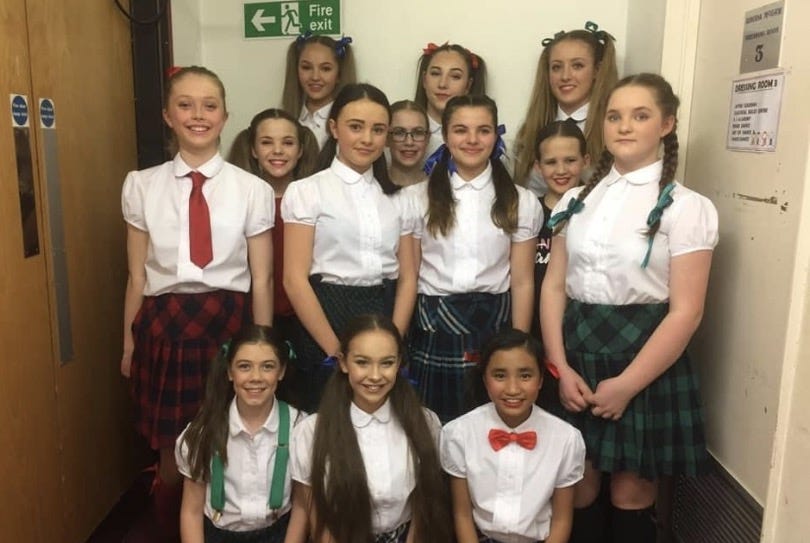
From buff paper to blue-tinted glasses, I was provided with the tools to battle dyslexia. What I thought would be a quick fix was actually a temporary solution. Although my reading improved, my spelling was still atrocious. The buff paper throughout primary and secondary school made me feel alienated. It was then that I had written off a career involving literacy, though my passion for storytelling lingered in the back of my mind.
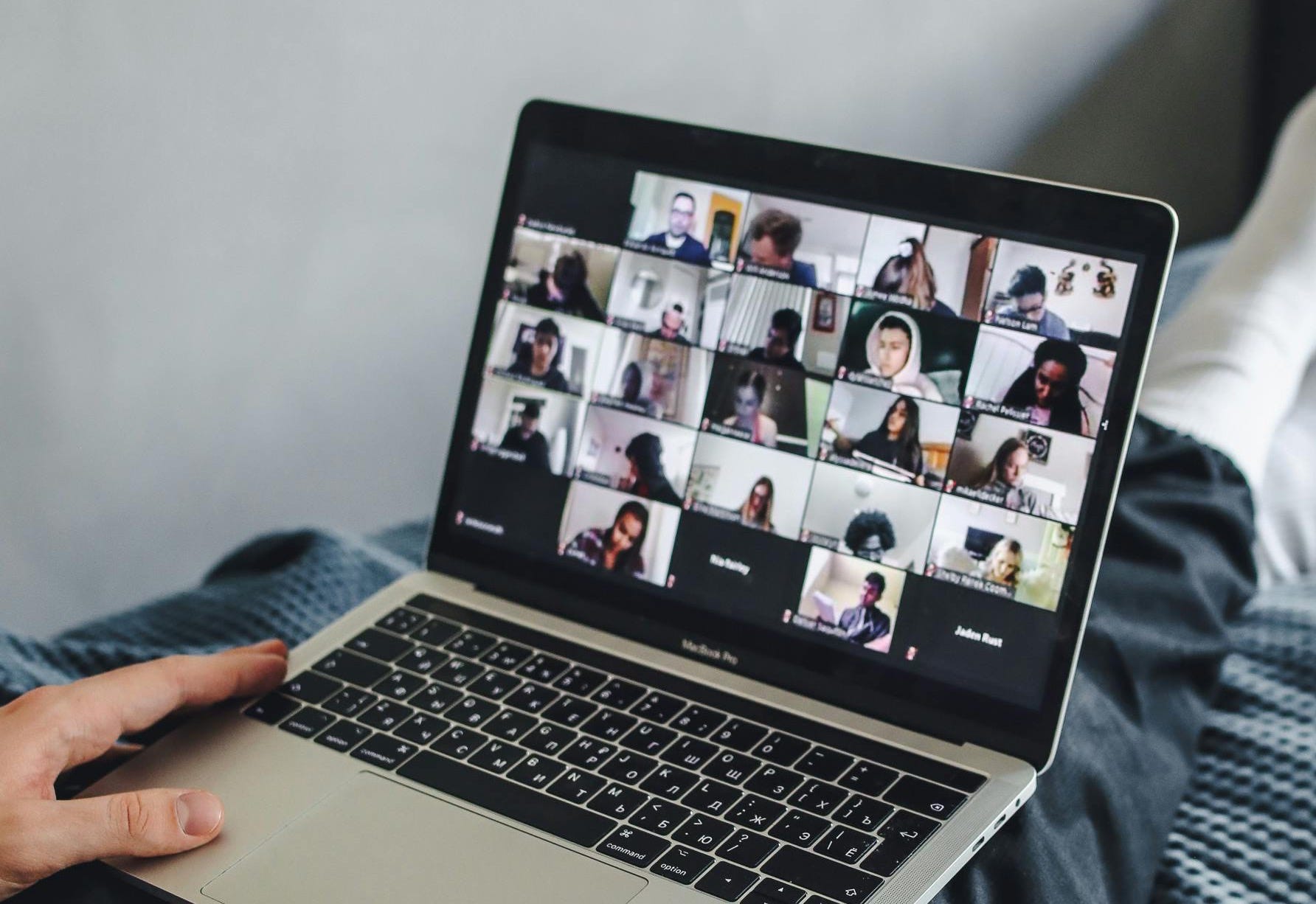
When lockdown hit the UK in 2020, following the outbreak of COVID-19, I was bored out of my mind, and having to do online independent learning felt impossible. Stuck in my room on Zoom calls, I truly felt I had reached academic rock bottom. Struggling with isolation and boredom, I watched hundreds of films. Longing to escape reality further, I picked up a book for the first time in years. Over primary and secondary school, I was forced to read. My learning difficulties made it feel like a task rather than entertainment, which I finally reversed in lockdown.
It was then that my love for literature flooded back to me. My passion for storytelling was reignited, and I had hope. Although I still struggled with reading and writing, it no longer felt like a chore to pick up a book. Throughout my English literature lessons, I was entranced by the plots, the characters, and the worlds built. Escaping into new stories each lesson, analysing the language, tone, and its impact felt blissful. Yet this passion was never reflected in my grades. The analysis was detailed and accurate, but the quality of writing and spelling weighed my marks down.
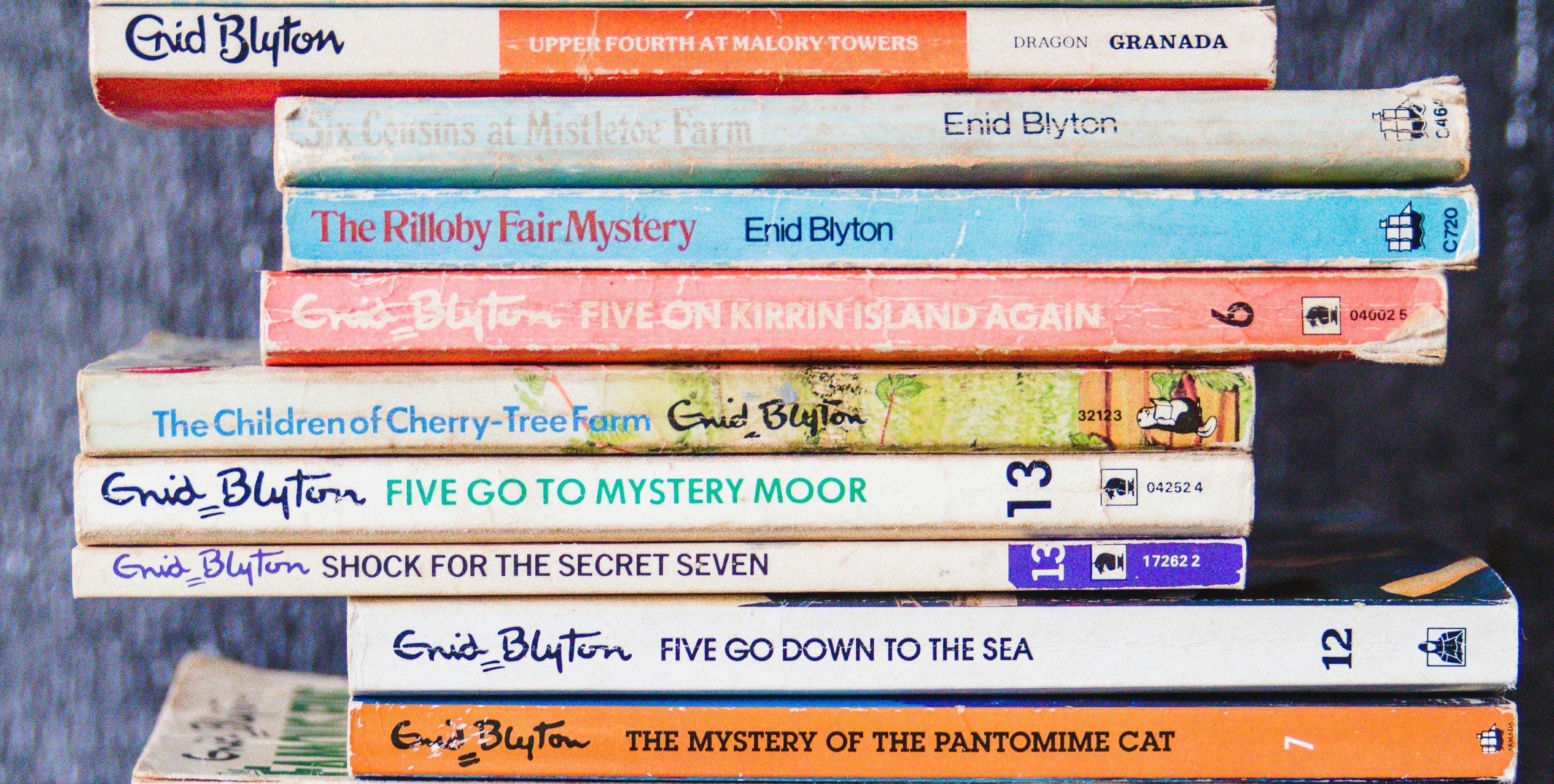
Over time, practice and hard work improved my writing, and continuing to read strengthened my language and grammar. From F Scott Fitzgerald to Jane Austen to George Orwell, I worked my way through literature. I revisited books from my childhood that I loved to read, like those from Enid Blyton and Eva Ibbitson. I read for pleasure, not purpose.
I went on to get a 5 in English GCSE in both language and literature. To some this may seem low, but for me, this was a great achievement. My hard work and countless hours of revising had finally paid off. I, however, still had no clue what I wanted to do with my future. With A levels pending, I had a decision to make. Do I pick passion over passing or take the safe route that would guarantee my grades?
I took a gamble and took English literature at A level, along with media and fine art. It was then that I was introduced to journalism. I took media A level for fun, thinking it would be an easy subject that I would enjoy. It was then that my love for all things media began. From magazine design to newspaper analysis, I loved everything communication. It combined my love for English literature with my creative side, without the stress and pressure of grammar or spelling. Although this was still important, it wasn’t as looming and daunting as English literature.
I coasted my way through my first year loving art, loving media, and loving English. My grades in art and media reflected this, but my English was still behind. As the second year approached and studying became more serious, it came time to decide what to prioritise. Should I choose a subject I have a love for, but can’t guarantee my grade in, or a subject so new to me, that I know I can do well in?
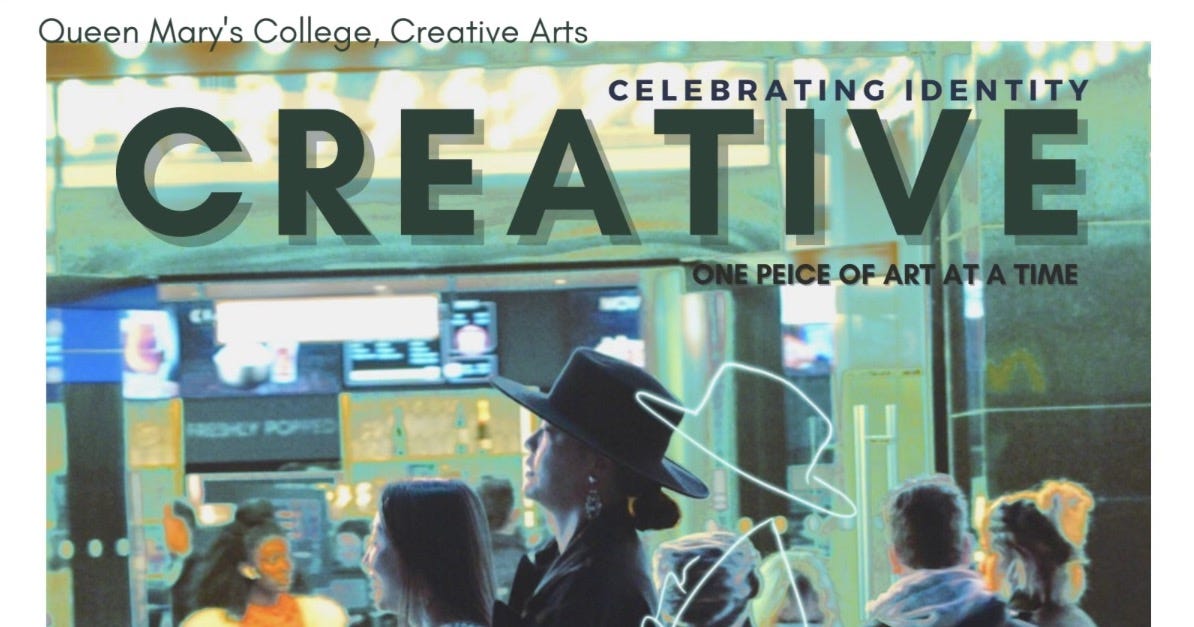
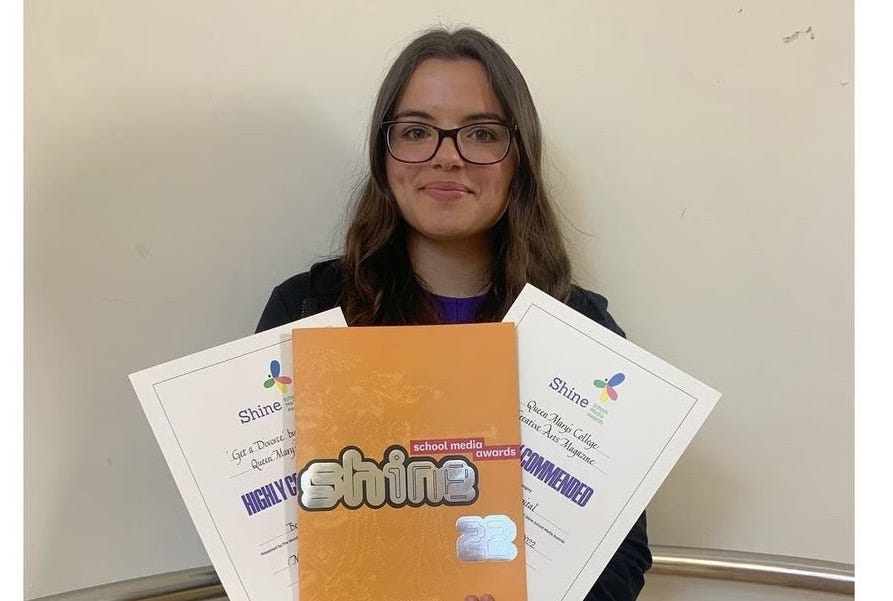
I filled my spare time in college with extracurriculars to pad my university application. From marketing enrichments to completing an EPQ on visual marketing, everything that I did started to be encompassed by media. For two years, I was the editor-in-chief for our student art magazine and fell in love with magazine creation. The magazine was then entered into the Shine Media Awards, where it received a highly commended award. This alone made my decision final: Although I love literature, it wasn’t my future. Storytelling is such a broad concept that could be expressed in many ways, so I had decided that this is what I wanted to explore.
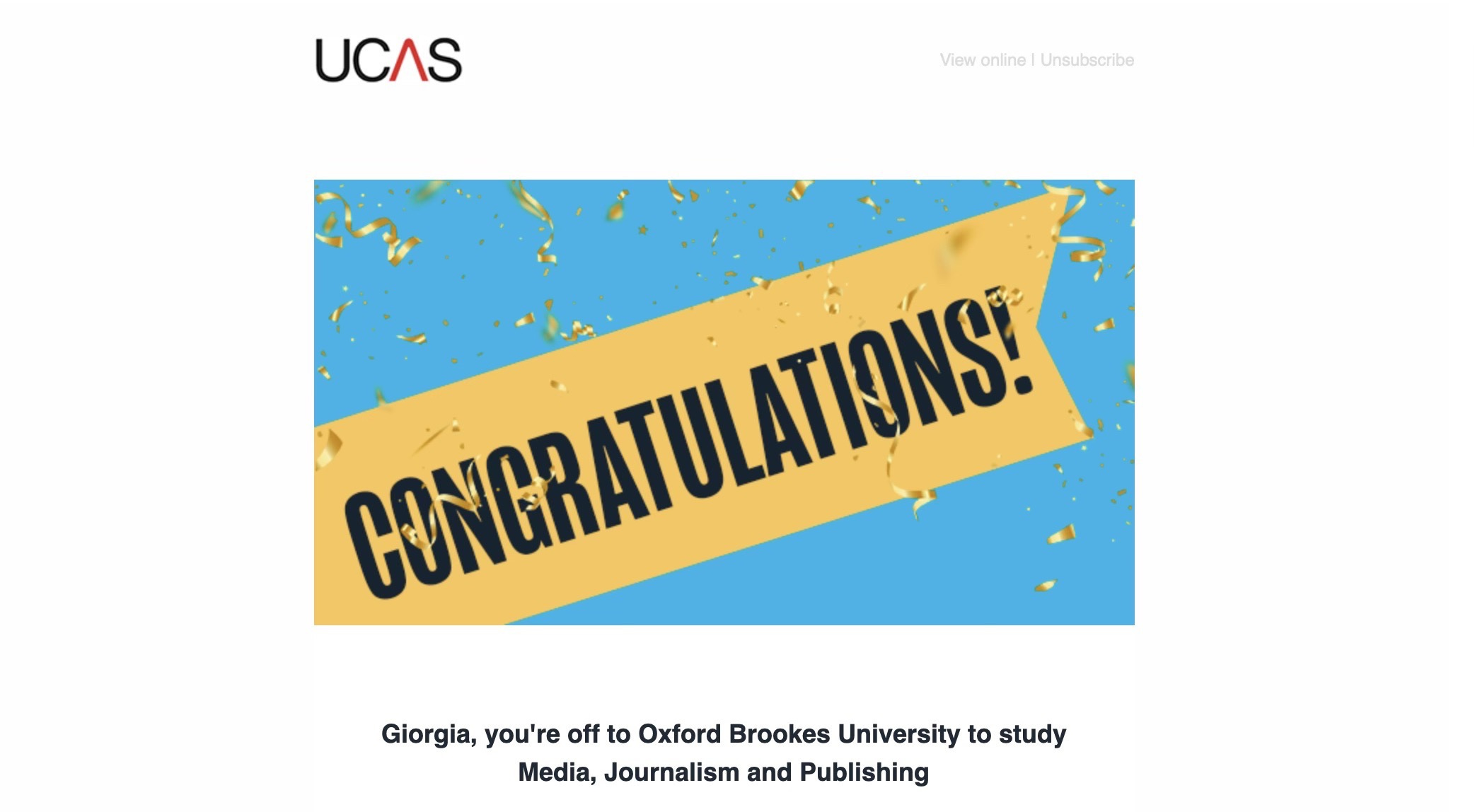
When looking for university courses, I was spoilt for choice in English, journalism, media, and communication, but nothing seemed to fit. Everything was either too creative or too much writing until I discovered Media, Journalism, and Publishing at Oxford Brookes. It truly felt like this course was made for me, with magazine design, storytelling, essential journalism, and children’s publishing. This was my kind of heaven. I eagerly applied, and when I received my reduced offer, I was over the moon. A flip switched, and I was determined to get these grades.
I shook off the thought of getting a high English grade; it loomed over me, causing copious amounts of stress and anxiety. I put blood, sweat, and tears into my media coursework, doing everything in my power to get the highest grade possible. I studied endlessly for the exams, knowing the content all by memory. From theorists to case studies to analysis, I knew the media papers like the back of my hand. I came out of the media exams confident in my answers, and as I exited my English exams, I knew I did my best with what I could do.
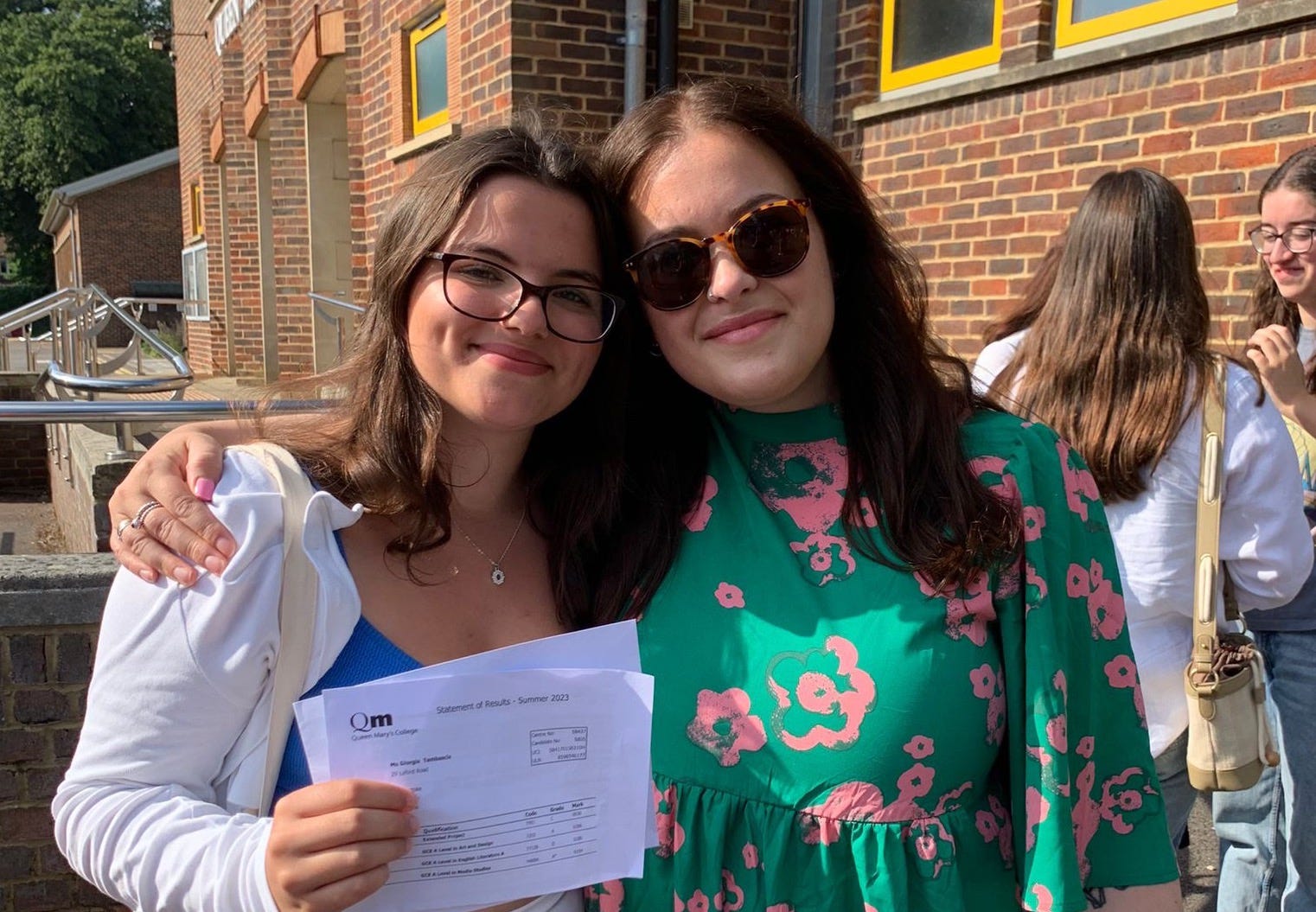
When I arrived at my college on results day, I didn’t know what to expect. I had mentally prepared myself for every outcome. I was told to wait for my media teacher to arrive, my nerves were through the roof, but knowing I did everything and anything to get the highest grade I would be happy with my outcome. On the day, the college had news outlets recording people opening their exams. As it was my turn to open the envelope, a camera approached and started recording.
It was here that I learnt my first rule of journalism: No swearing on camera! Overjoyed with my grades, I let a few profanities slip out as I rejoiced with excitement. Unfortunately, the footage never made it anywhere due to my choice of language.
So here I am, three years later, about to graduate, and finally telling my story. My story of struggle and passion, the battles I faced with dyslexia and the obstacles I overcame. To anyone out there doubting themselves or unsure of what to do, everyone has been there. Don’t let a learning disability take away from your hobbies and enjoyments. To many more years of writing. I look forward to sharing my stories and others’ stories.