


The Body Image Survey conducted by the UK Parliament shows that “over 6 in every 10 women feel negatively about their bodies”. Even though this is a topic heavily discussed, conversations sparked again when famous figure skater Alysa Liu came back to the 2026 Winter Olympics after retiring for years. In an interview on CBS’s 60 minutes, she stated that she came back only based on conditions she specified, and that she would not let others control what clothes she can compete in, what songs she can perform to, and what she can or cannot eat. Her raw and honest way of talking about this issue has raised the question of prioritising mental health even in professional settings.
Claudia Lewendon-Evans, ex-professional dancer, shares her experience, and Dr Bonita Corrie-Lunn and Dr Aisling Daly, lecturers at Oxford Brookes University in Sport Sociology and Nutrition further share their knowledge on this topic.
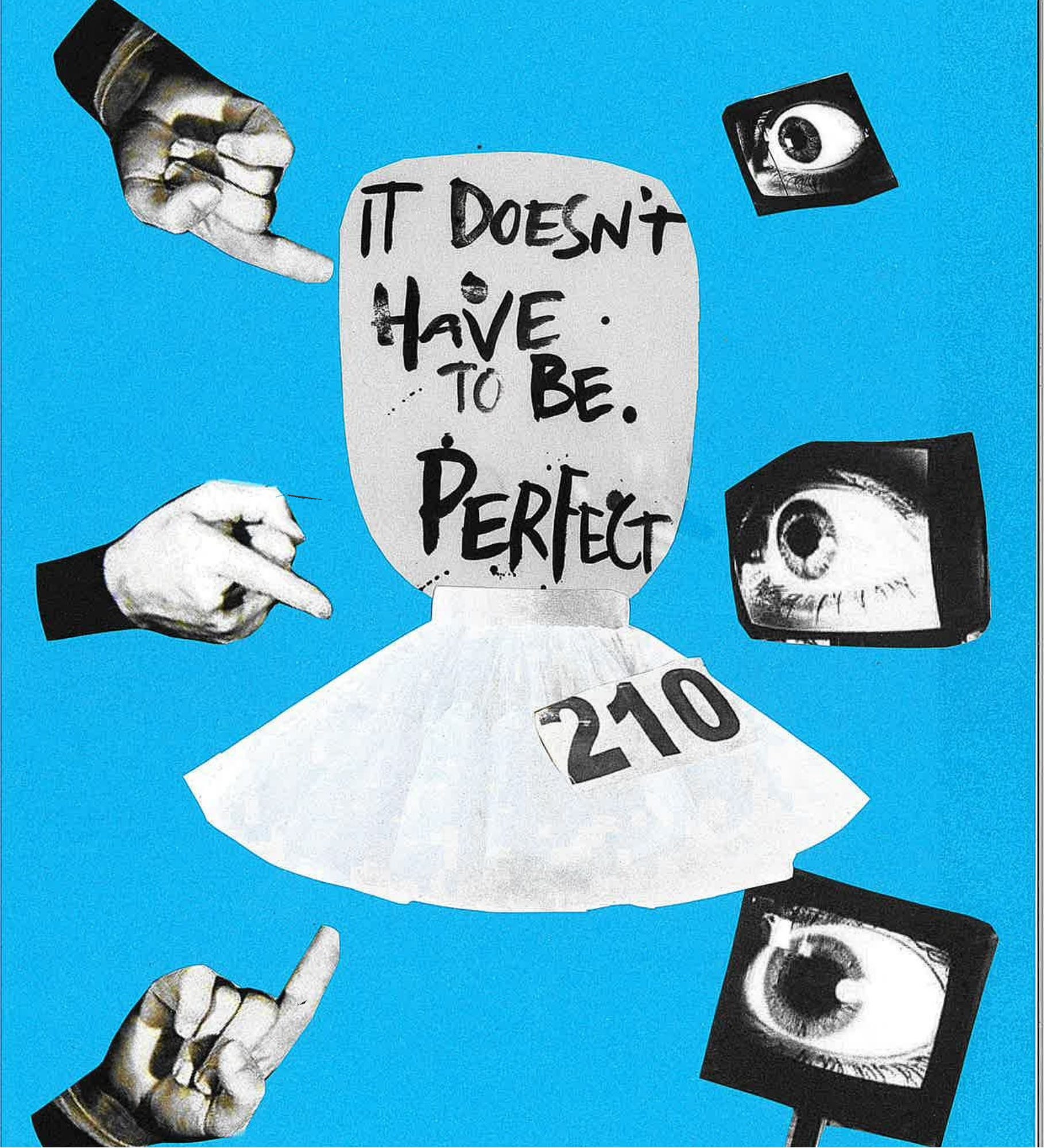
Throughout professional settings, body shaming has sadly been an ongoing problem. Whether that be at The Royal Ballet, dance schools, or aesthetics sports, women have faced scrutiny regarding their weights.
Claudia is a strength, wellness and fitness coach who used to be a professional dancer. She started dancing when she was 3 years old, and she knew she wanted to do this on a professional level at a very young age, and therefore went on to dance college and then entered into a professional career.
When talking about the unhealthy body ideals women have to face in the dance industry, Claudia shared her experience, and how the biggest challenge was being judged on personal appearance. “In the professional dance industry you are hired for a job, you get work in the industry based on completely just how you look, which can be very difficult on your confidence, self-esteem, and it is very detrimental for a lot of women”.
Bonita further adds that this translates to media portrayal as well. “In sport, the idea that women are valued more for their looks rather than their achievements is still quite prominent within media representation and analysis”.
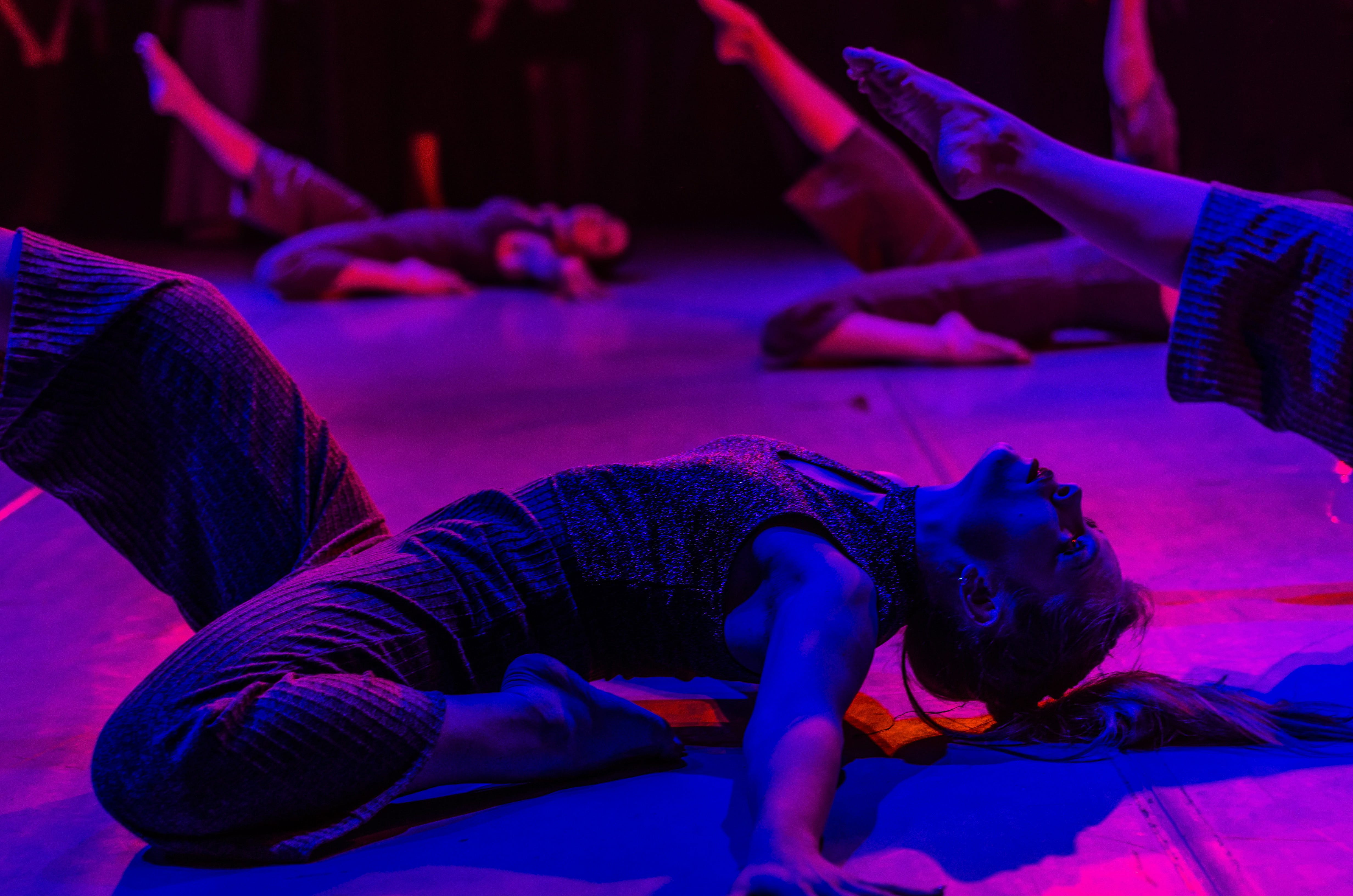
As mental and physical health are connected, nutrition plays a crucial part in working towards a better understanding of what the approach should be towards this topic. Instead of making women face unhealthy body ideals which then can lead to disordered eating, nutrition is a key area to focus on.
Aisling, who also used to be a gymnastics coach, shared that nutrition is key when it comes to women in professional environments. She highlighted “how important it is to fuel your body appropriately to have enough energy and do the best performance, and to support recovery”. She also believes that nutrition education should be focused on elements like energy, muscle strength and iron levels, as these “can help make the communication more practical and physical rather than emotional and related to image concerns”.
Claudia further adds how “movement is by far medicine for so many aspects. We shouldn’t be training for just aesthetics, we should be training for building bone density, muscle longevity and heart health.”
Even though this is still a problem, women are starting to speak up and therefore are continuously making a change. For example, TikTok now has separate sections titled “The Dance Industry Being Toxic” and “Toxic Sport Culture”, where women bravely share their experiences. Circling back to Alysa Liu, her story also stands as a pillar in making a change, especially in professional settings. She retired, experienced life outside of her profession, worked on her mental and physical health and got back to figure skating on her own terms, and went on to become the 2026 Olympic Champion.
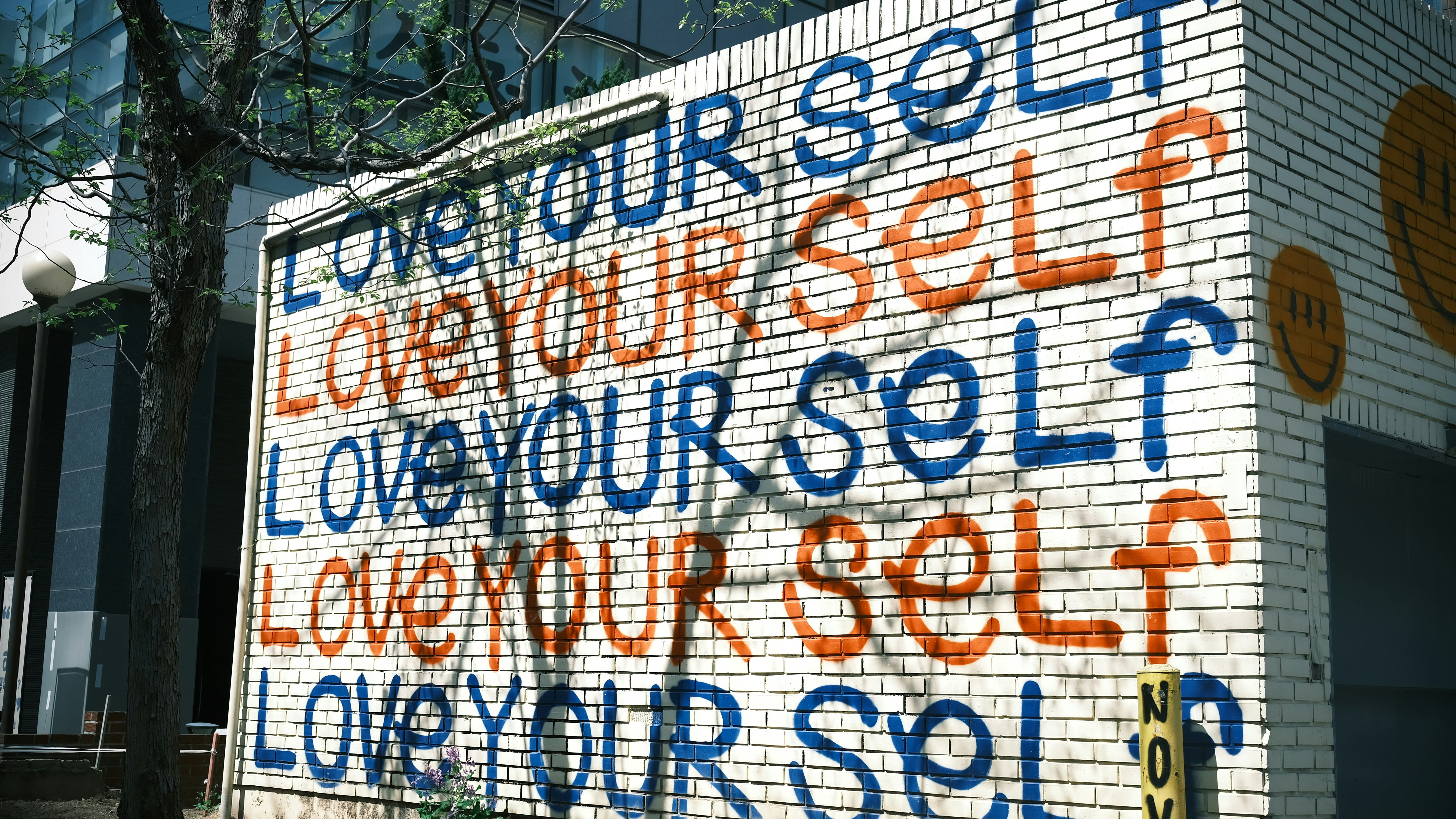
Claudia now also helps women out, so that they can shift their approach to their own mental and physical health when it comes to body positivity, which, in parallel, helped her too. “Using my love for movement in and fully directing it towards mental health is what really helped shift my mindset on a personal level as well.”
“A question in my consultation was always - What do you want to train for, to feel good or to look good? - and if anybody ever answered to look good, I’d say let’s feel good first.”
Social media amplifies these unhealthy ideals women have to face, and unfortunately through this, unrealistic expectations are further created for women, which we will have to continuously advocate for. This is also what Claudia works against: “Being able to create more positive mindset through movement is always starting point and will be a positive domino effect from there”.
Hopefully, improvement will continue to be seen within society and its approach to women’s bodies. Bonita further reiterates this point: “I believe there has definitely been progress. Conversations around mental health, body positivity and athlete wellbeing are becoming more visible, and there is growing awareness of the damage caused”.