


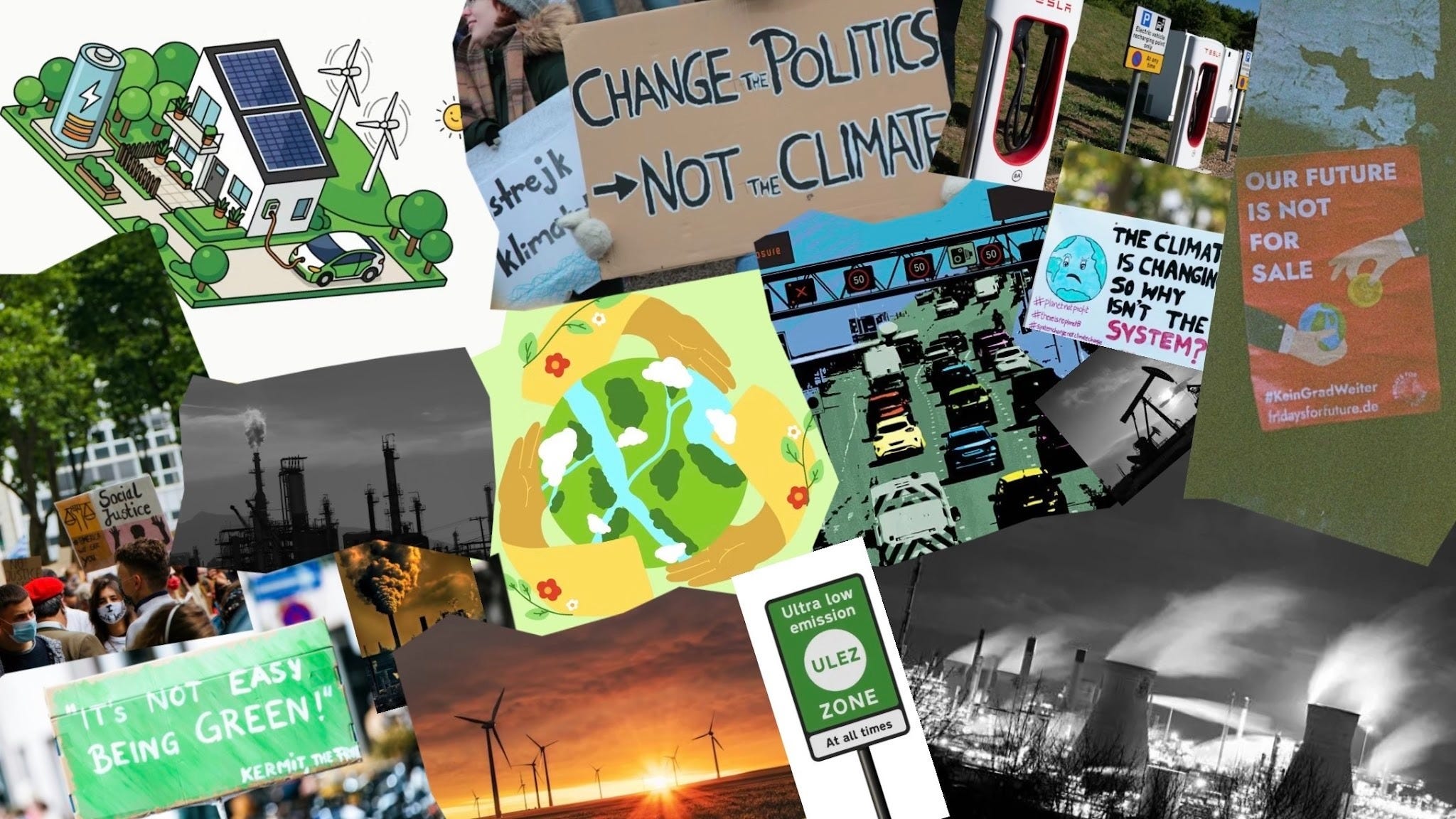
From rising costs to unequal access the reality of climate action and the green economies wider accessibility demonstrate the reality of climate action is far from fair for all. As working class families and members of society with not grand levels of disposable income find themselves likely wanting to take part but often facing the brunt side of the issue.
This article will look at the realities of what good sustainable practices look like and the benefits those who work in them find from their employment and environment. While also comparing that to the realities of the everyday person trying to navigate life in the most environmentally friendly way, but who often find themselves at the brunt of the expensive side of the green economy and its practices to tackle climate change and help reach the internationally recognised goal of net zero by 2050.

Climate change is a bleak reality that the world is heading towards with it no longer situated as a distant threat but rather shaping how we live and function in day to day life. From the way we live to the way we work the idea of sustainability to help contribute to net zero carbon emissions has become a regular function to modern life. However, as society moves more and more to net zero and wider sustainability the question of who actually has the ability to live sustainably without suffering financially and or mentally is the real conundrum.
All across the UK policy is being introduced to reduce carbon emissions. Cities like Oxford have introduced congestion charges while the wider working industry is trying to adopt the use of the green economy for ethical reasoning. On the surface these changes are good for the fight against climate change but fail to look at the impact to those who cannot afford to incur new expenses in a challenged economy and or have the same level of accessibility.
The concept of a growing imbalance between those who can and cannot manage the move to sustainability is a real issue at the heart of social justice. With some industries adopting and synergising with the rise of the green economy with Government backing while others face grand financial and practical barriers that make going green and becoming sustainable far more difficult and likely don’t work in an environment that promotes its practices. Through this article to help analyse what good sustainable practice looks like, the use of a leading sustainable workplace and the experiences of an everyday citizen who finds themselves foul to the change in lifestyle and its barriers.
At the Harwell Science and Innovation Campus an Oxfordshire science and technology hub home to both public and private sector organisations show that the use of sustainable practices is at the heart of everything they do and demonstrate what good practice looks like for a mass employer. They seek to use tangible action as they see it as the only way to make a genuine difference. With several headline commitments set to try and be achieved in this decade. As the urgent need to tackle the climate emergency is there and to help enable a net positive future. With policies like the design of new developments through the form of net zero carbon buildings. Which seeks to reduce operational carbon and upfront embodied carbon by at least 50%. Along with sustainable travel policy and zero landfill.
Thomas Greenaway, an employee working at the STFC department, put forward the lengths of the companies renewable sustainability drive stating “So we’re quite good at using more renewable sources of energy. So we have a lot of solar panels around the site. All of the car parks, and all the shelters for the car parks are big solar panels, which are connected to the main system. Which lets us use less energy from the main grid. Recovery system, which means that the helium that we don’t use doesn’t get vented into the atmosphere, it gets put through a system, filtered and then put back into our tanks to reuse.
This approach highlights what can be achieved when sustainability is backed and driven by investment. On the ability to help with sustainable travel they have a cycle to work scheme on this they said “We have a cycle to work scheme that allows us to get bicycles for cheaper and on a payment plan with work meaning it comes from your pay-check directly so it is not taxed.
On the environment that the organisation’s ethical accountability creates they stated “It’s good to know that we’re working towards sustainability. We also have training courses on sustainability to make sure that everyone’s on the same level and standard”.
However, the idea that everyone would have access to facilities like Harwell would be naive. In Oxford the new congestion charge has caused a debate on the impact they will have on those who are actually benefiting from this sustainability policy change. Speaking to Harry Walker an active working Oxfordshire resident stated on the issue “I believe the system of charging for access has been made unnecessarily complicated and disregards the financial circumstances of many households”.

The idea of fairness is vital to the green divide and the green economy. Looking at who actually benefits and who suffers the most.
As the transition to a greener future and economy is essential it also has to be fair to allow for those who want to take part can and aren’t just priced out and prevented by their wealth. This could come through a just transition along with community led groups such as Round Our Way that look to give marginalised communities in the UK a voice and help bridge the gap of inequality within the green economy.