


What comes to your mind when you hear a Japanese film?
Perhaps it is not easy to define exactly, since manga and anime culture have been deeply ingrained in people’s minds.
Regarding Japanese artifacts, there was a boom of Japanese art in Western culture in the late 19th century, when Ukiyoe was exported.
After that, Japanese cinema suddenly emerged into Western consciousness in the 1950s, according to Dr.Alexander Jacoby, Senior Lecturer in Japanese studies at Brookes University.
Such cinema was considered an elite and prestigious pastime at that time.
“There is definitely a new populism to the way in which Japanese arts are received in the West, especially among the young people” he said.
He told Hybrid Magazine how students react to Japanese artifacts.
“Perhaps engage with the image of Japan that’s created by manga and anime, and maybe they’re less certain about what the reality holds for, if they go there.”
The Japan Film Tour Programme 2026
Then what is the reality of Japanese culture through films?
Changing such a uniform image of Japanese films, the Japan Foundation started a project called “The Japan Film Tour Programme “.
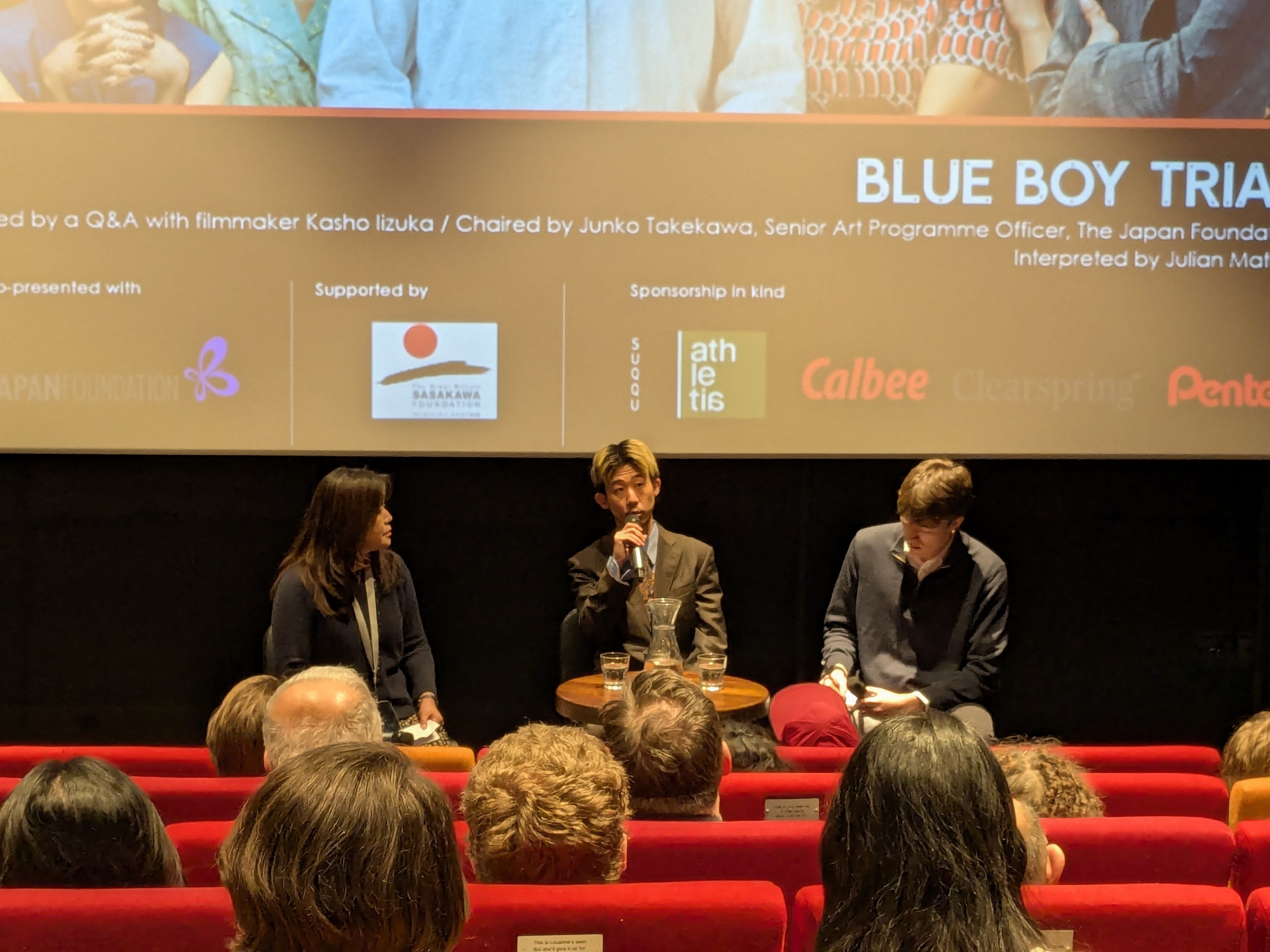
This project has been continued for 23 years, and this year’s theme is “Knowing Me, Knowing You”.
In a divided world, the self-image is easily distorted by others and social media, so having one’s true self is crucial. Junko Takekawa, Senior Arts Programme Officer of the Japan Foundation London, carefully selected films that fit the theme.
She raised one of the selected comedy films, “Strangers in Kyoto ぶぶ漬けいかがどす” to explain the core theme of this programme.
Kyoto city is one of the traditional and popular tourist destinations, located on the island of Honshu.
One of their culture is not speaking directly, and the famous phrases is “Would you like some bubuzuke?” actually means “Please go home early” when the guest is not favourable. This phrase is used for this Japanese film title as well.
“This illustrates the gap between the surface and the true intent”, she added.
“This film also shows the gap between the ‘image’ of Kyoto held by outsiders and the reality of the residents who might find it difficult to live in. Ultimately, there is a gap between ‘the constructed image’ of Kyoto and the reality of those who inhabit it.” she explained.
In this programme, one of the notable comedy films is “The Hotel of my Dream 私にふさわしいホテル”, whose original work was Yuzuki Asako, who is famously known as the author of “BUTTER”.
The Japan Foundation once teamed up with her at the Cheltenham Literature Festival, so that she contributed the text from program notes.
BUTTER is famously known as one of the translated Japanese novels successfully in the UK, for example, this crime and culinary fiction won the Waterstone prize in 2024.
Polly Silk, Senior Lecturer in Publishing at Brookes University, shared why BUTTER got popular with Hybrid Magazine because it was clever marketing, such as book covers and positioning of genre.
“The feminist satire angle is also likely to have played a role as this is a theme that UK readers seem to look to East Asian voices for — the recent growth in UK sales of Japanese and Korean fiction has seemed to favour female authors and feminist perspectives. In the past, this area was dominated by male voices.” She analysed the reasons.
The Japan Foundation is also putting effort into introducing Japanese literature as well.
The pendulum is swinging back.
“Today, many exceptional films are being made based on novels, much like in the past. Given the current boom in translated Japanese fiction, we are passionate about introducing diverse authors alongside their cinematic adaptations.”
She also shared the unchangeable goal to reach new audiences who have not seen Japanese films before.
“We value those regional venues even if the audience numbers fluctuate. As long as the venue is willing to take a risk and collaborate, we want to continue” she added.
The commitment by the local cinema

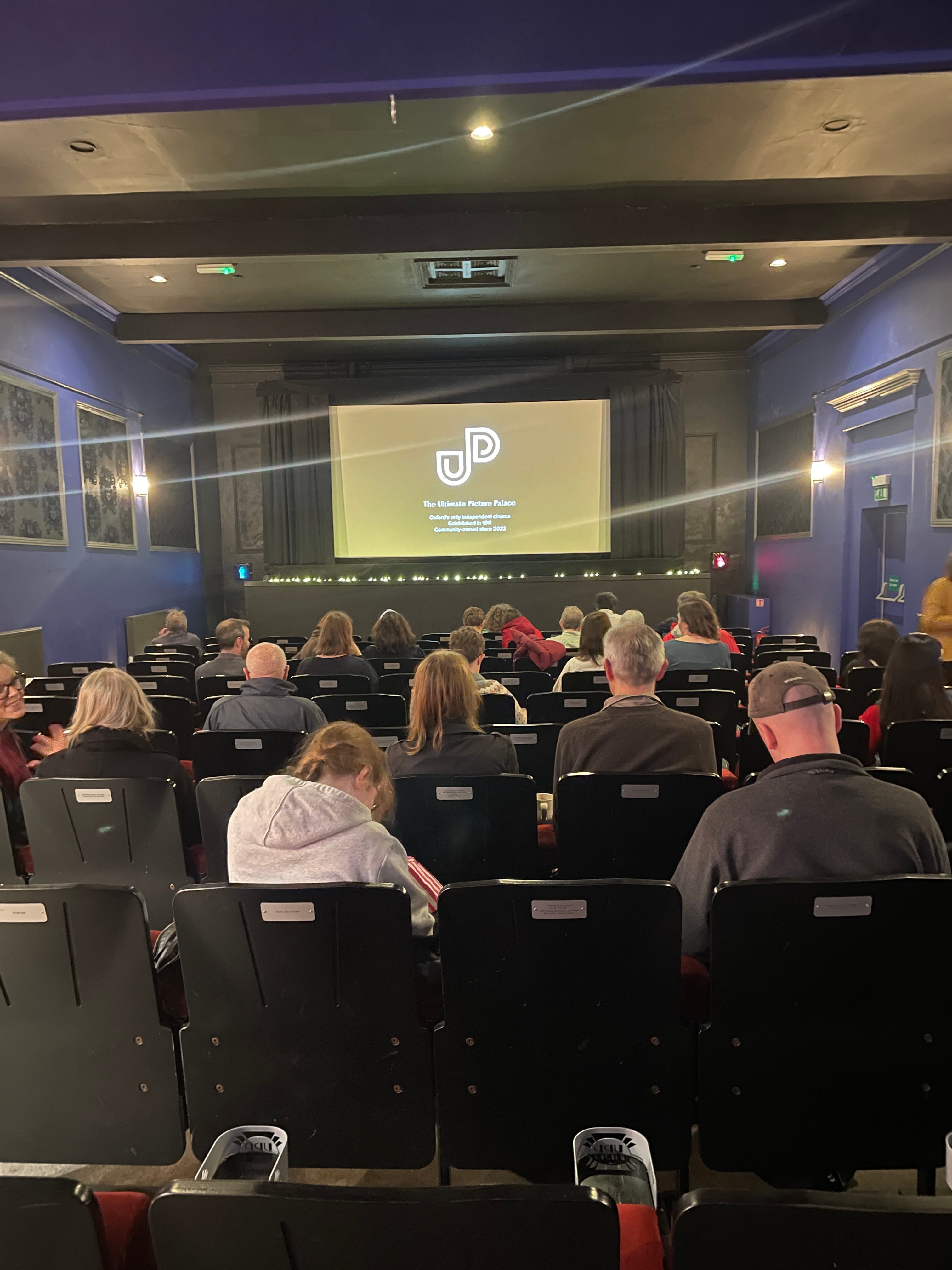
The Ultimate Picture Palace (The UPP), one of the independent and community-owned cinemas in Oxford, makes it possible to achieve it.
This theatre screens unconventional films, including international films, so that it nurtures the bond between audience and theatre.
“Our audiences in particular love being exposed to different cultures, filmmaking, and storytelling as well.” Tom Jowett, a Head of Programmes and Partnerships of the UPP, spoke with the Hybrid Magazine.
With only around a dozen Japanese films shown in the UK per year, the UPP tries to encourage audiences to take a chance on films which they might not otherwise see.
The partnership between the Japan Foundation was established three years ago out of a commitment to screening a broader range of Japanese films.
Over the last two years, they organised Q&A sessions with the director as well.
Furthermore, they have started teaming up with Japanese film club which screens mainly 1980’s and 90’s classical films over the last summer.
Will, having eight years of experience as a filmmaker in Japan, was selected for the screenings.
Both Tom and Will empathise with the same core values: the importance of building community and the power of cinema as a medium for artistic expression.
“It all boils down to basically trying to foster a love for cinema.”
The UPP is undoubtedly to say that it is one of the few cinemas dedicated to bringing a wide variety of Japanese films to the audience; however, it has faced closure.
This leads to losing one of the places for social connections and hubs for not only Japanese films but also international films.
Cinemas are key cultural institutions that keep art accessible while playing a crucial role in strengthening community bonds.
It is time for us to stop and reflect on what we are losing.