


2026 is the UK’s National Year of Reading, a campaign designed by the Department for Education and National Literacy to get the country back into good reading habits and to address declining literacy levels.
The campaign advocates going ‘all in’, and reading more about topics you’re already interested in, whether that’s football, gaming or TV. This initiative is important, but it does raise questions about the individuals across the country who have very low levels of literacy, those who can’t or really struggle to read.

Source: Image created by Millie Flanagan
In England, 18% of adults aged 16 to 65 are described as having “very poor literacy skills” by the National Literacy Trust, accounting for 6.6 million people. Nicky Bhatoey-Turnbull, an Employment and Skills Programme Manager, explains that individuals with this level of reading ability have “primary school levels of literacy”; they can understand familiar, everyday texts without help, but often struggle and need support when reading new or unfamiliar topics.
Julia Hanson-Abbott is the acting team leader of Read Easy Oxford, “a small voluntary group who coach adults who want to learn to read”. The organisation was founded in 2011 by Ginny Williams-Ellis after working at Dorchester prison. “She saw the power of offering one-on-one reading support to prisoners, and realised that actually there were adults who [were] not in prison, who also struggle with literacy”. Since then, Read Easy has grown into a national organisation with over 100 volunteer teams across the country.
The volunteers work with their readers biweekly, receive official coach training provided by Read Easy UK, and follow the Turning Pages program created by the Shannon Trust, a registered charity that operates in prisons across England, Wales and Northern Ireland.
“Read Easy doesn’t define literacy in terms of exams or government levels. We see it simply as the ability to read confidently enough to manage your everyday life.” - Julia Hanson-Abbott
Source: Image created by Millie Flanagan
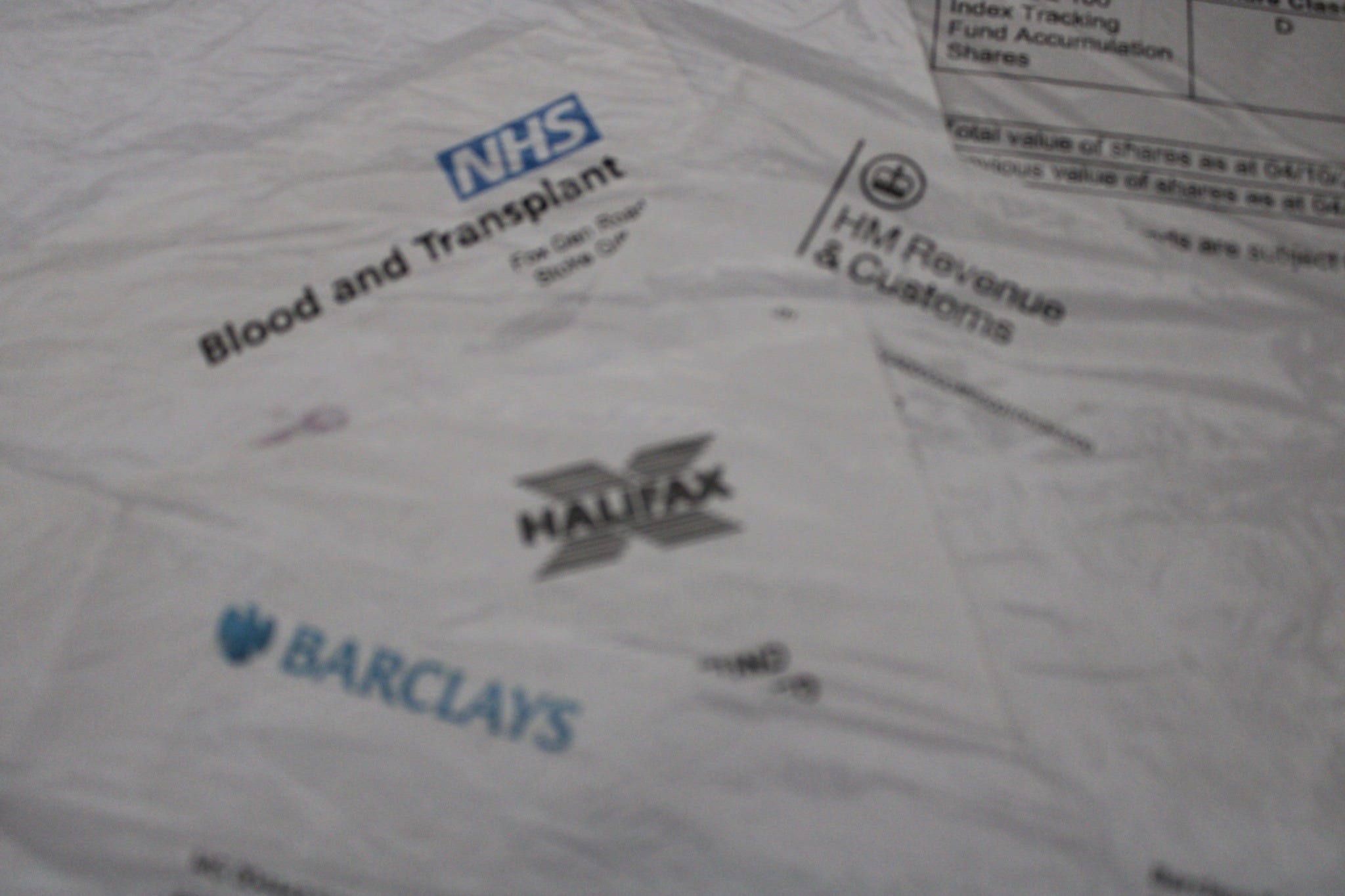
The impact that low literacy has on an individual’s life is vast and all-encompassing, as Julia points out, “millions of people are struggling to read in a way that people with literacy just take for granted, and that can be everything from sort of reading a text message, to understanding a GP letter, to filling in an application form for a job”.
While Nicky explains, “I had a cohort of around about 50 caseloads, [...] I would say a good 85% of that cohort needed support with application forms, Housing, Council Tax…”
Adult learning services, such as those provided by Read Easy and the Shannon Trust, have a life-changing impact. Dani Tucker, Communications and Marketing Lead at Shannon Trust, says that, “Improving literacy and numeracy skills has a huge impact – not just on the person learning, but on everyone around them”.
The opportunity to develop literacy skills shouldn’t be a privilege, but for some people it is, and for those who gain access to these services in adulthood, it can entirely alter their social situation and quality of life.
Reading provides the confidence and independence that adults need to take control of their lives, thereby improving access to essential services, such as benefits or housing, required for healthy, functional, and safe living. As well as improved economic opportunity, the ability to secure employment, seek education or pursue occupational training.
Alongside these effects, individuals struggling with their literacy skills also experience significant emotional impacts. “We know that the challenges are practical, but also deeply personal. So it’s really about, [...] taking part in everyday life without fear of exposure”, says Julia.
Illiteracy is isolating, and adults have reported feeling vulnerable because they are unable to read, and the stigma associated with low literacy creates additional barriers, making asking for help and support incredibly difficult. With the fear of being exposed and their secret revealed, contributing to anxiety, further isolation and low self-esteem.
“Most people who can’t read have spent years hiding it from employers, friends, and even from their own family” - Julia Hanson-Abbott
So, how does adult illiteracy continue to persist in educated societies? “Unfortunately, not being able to read as an adult is still a taboo”, says Julia, “we find that people have developed quite sophisticated ways of managing those situations”, from forgetting their glasses, to reordering the same thing at every cafe visit, taking forms or documents away, non-readers live in fear of being discovered. Nicky says, “In terms of getting friends and family to help, some do have a network that can support, but they don’t”.
When it comes to adult illiteracy, there are two layers of stigma, both an internalised and externalised level, shame associated with their personal situation and the externalised judgement on intelligence. The first step is taking away personal blame, “it’s not the individual’s fault that they have come through school and not been able to read, it’s a society issue”, says Julia. Not being able to read is not a personal failing, a lack in that individual, or a matter of demographics; it is circumstantial and environmental.
When people reach adulthood without developing reading skills, it is often because of something that happened to them, leaving society’s systems to let them down and allowing them to fall through the cracks. “Many people in prison who can’t or struggle to read have experienced trauma or barriers to accessing mainstream education. Some other reasons why they may struggle include a broken home environment, no access to resources of support, or learning difficulties” says Dani, “Education is a vital tool in breaking the cycle of reoffending”.
“At Shannon Trust, we work with thousands of learners each year. In 2025 alone, over 11,000 learners worked with one of our programmes” - Dani Tucker
Charities such as Read Easy UK and Shannon Trust, along with support and community outreach staff like Nicky, are working tirelessly to address these issues, devoting their time, energy, and resources to underserved communities and individuals, but more is still needed. Volunteers, corporate sponsorships, and even spreading the word about the work these organisations are doing are invaluable.
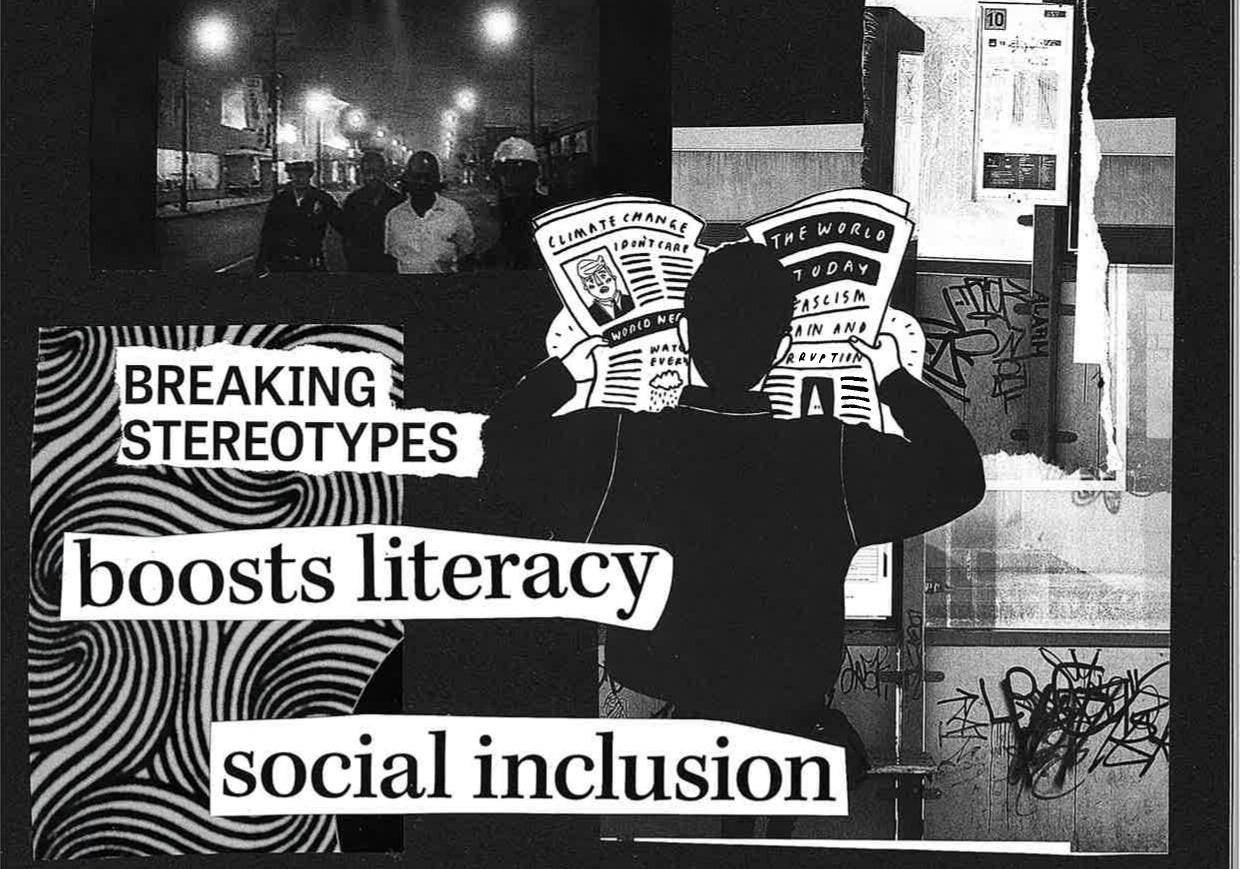
These adults are the result of children who have fallen through the cracks of education and society and have been ignored for far too long. It’s high time we pulled back the curtain and shed some light on this social issue. So that we can finally tackle illiteracy among children and adults and give back to our communities.
“If we can remove the shame, fix the gaps in education, invest in adult learning and make support visible and welcoming, then we’ll unlock the potential of millions of people who’ve been held back for far too long.” - Julia Hanson-Abbott
Source: Collage created by Millie Flanagan
Brilliant article - I had no idea how common adult illiteracy was, which just goes show how the continuing stigma drives people to hide it. It is heartbreaking to think of the massive emotional toll this stigma must produce, but joyful to know that these charities exist, giving those unlucky enough to have missed out on reading as a child another chance to enjoy a book, find a new job, or simply order a different drink at the cafe.
My life is so enriched by reading, I cannot even begin to imagine the struggle that some people have.
I am in full support of anything that can help adults access reading and all the opportunities it brings 💕