



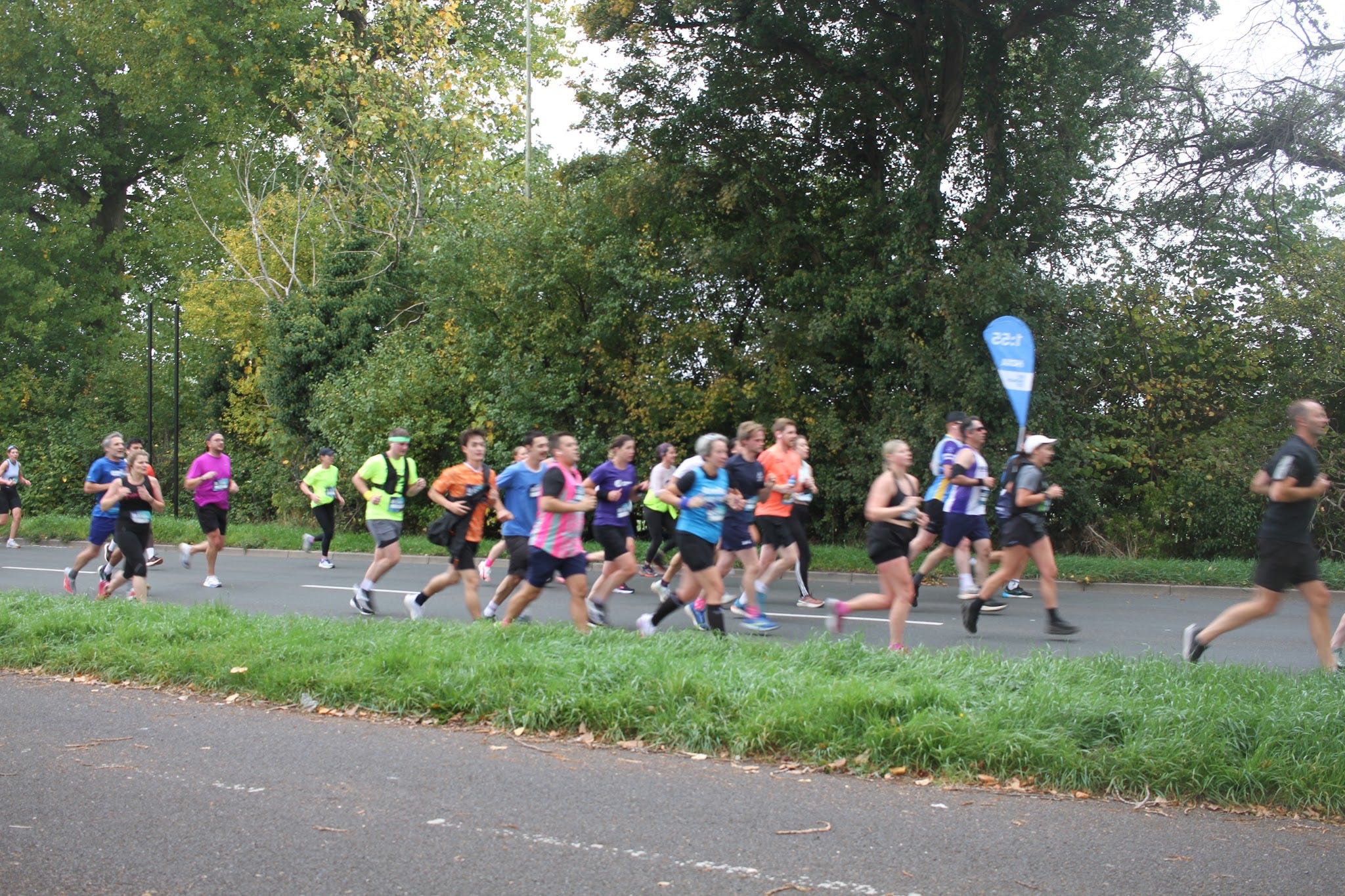
In 2025, online retailer, Sports Shoes published a survey stating that 48% of women felt unsafe whilst running and 70% of women had experienced an ‘intimidating incident’. This includes being stared at, beeped at by the horn of a car, and being stalked. This blatant harassment and abuse is an all too familiar experience for women who find themselves being forced to choose between their safety and being active when the clocks go back.
It’s quite typical for fitness routines to slow down in winter, as shorter days, frequent rain, and the return of the winter blues often lead to earlier bedtimes and less motivation. For some people, it’s the onset of safety concerns and some start to question whether it’s worth the risk of their safety at the expense of being active?
Despite police launching multiple campaigns to tackle street violence and harassment towards women, is it enough?
In December 2025, Surrey Police published a new strategy called ‘Jog On’ as part of its Violence Against Women and Girls (VAWG) campaign, prioritising prevention of such harassment towards female runners. But, why are we focusing on prevention methods instead of tackling the root cause of such misogyny and sexism.
Members of the public have urged an inquiry into the education system, questioning if increasing awareness and educating young men early about the unacceptability of harassment could influence their attitudes. However, some disagreed and have suggested that it is social media and the toxicity of masculinity that is causing the most damage and influencing the actions of young men the most.
Ben, 21, suggests that the online rise of ‘mansophere’ content ‘prmotes misogynistic views’ and continues to reinforce the harmful attutiudes that men have against women.
“These sort of people [on social media] shape the younger generations’ minds and can contribute to elements of toxic masculinity and incel culture, where certain behaviours are normalised or justified, and the impact on women is overlooked. As a result, some people may fail to recognise that their actions are inappropriate or harmful.
This issue has evolved beyond the problem of catcalling female runners; it now represents a broader struggle against sexual violence and reflects a failure on the education of the younger generation.
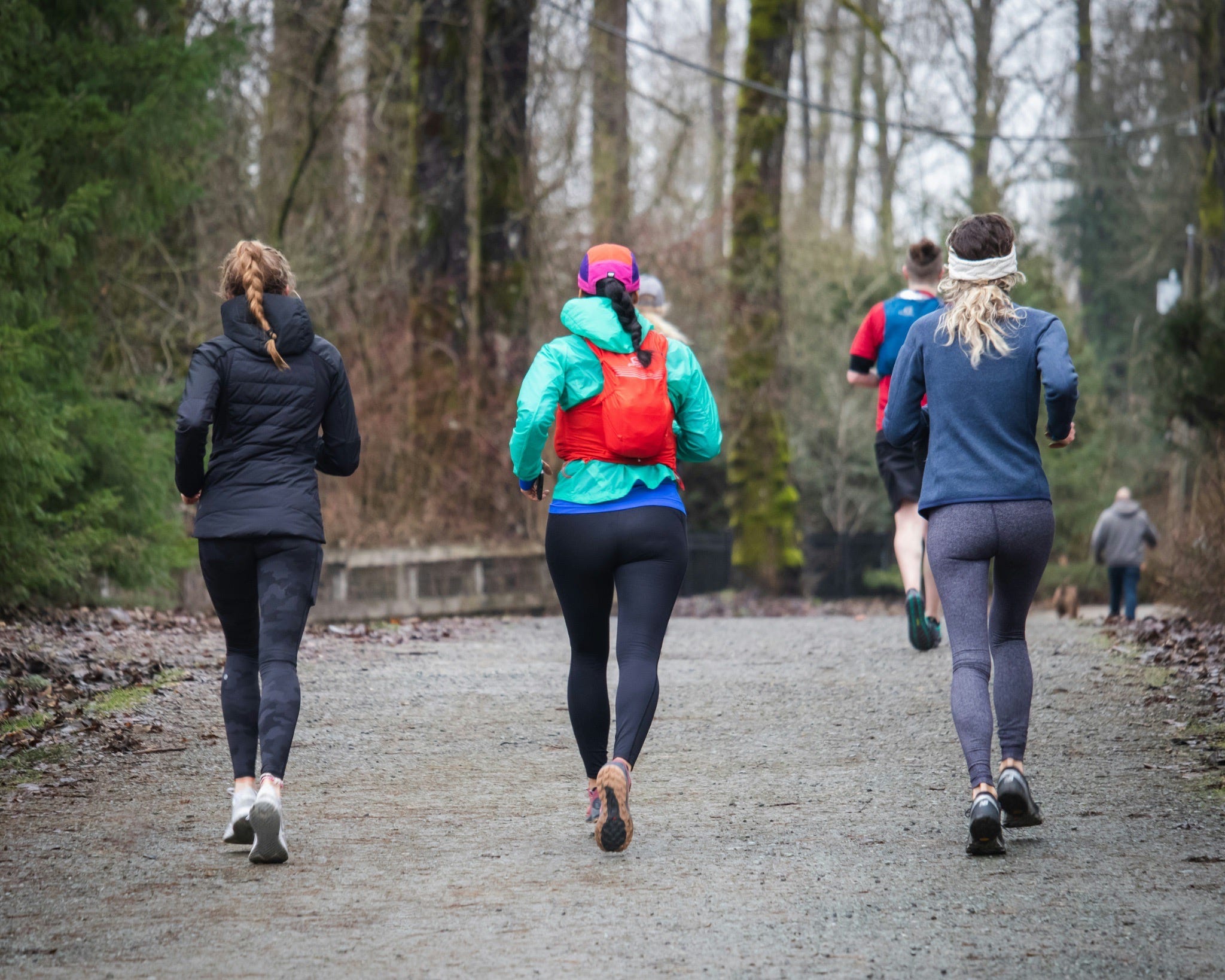
With this in mind, are we, as a society, placing responsibility on women to change what they wear, where they run or if they run alone or with a group of people instead of placing focus on the perpetrators, preventing this from happening again.
Maisy, co-founder of Peckish Running Club, discusses her experience with catcalling and how running in the dark affects her fitness levels.
“I think [running in the dark] definitely impacts me. Personally, I don’t love running in the dark so I end up having to run in the gym and the gym I go to sometimes has restricted hours so if I’m working I’ll work 12 hour shifts so I can’t run in the morning because I don’t like running in the dark so it just restricts it unless I want to run in the gym which isn’t particularly enjoyable so I don’t run as much during the winter,”
Similarly, many women have the same opinion as Maisy in regards to not running as much in the winter due to darker evenings. A recent report by the campaign, This Girl Can claims that “72% of women in the UK change how and when they are active outside once the clocks go back”.
This Girl Can campaign was launched in 2015 to help women of all backgrounds get active in a way that works best for them. The campaign also helps tackle sexual harassment and intimidation towards women in a fitness environment.
Maisy continues, “I haven’t had any [harassment] in the running club. The running club’s actually really friendly, but I have had it a lot when I was at uni. I did have a lot of cat callers and that sort of stopped me running those routes or made me run at a different time or when I knew that the traffic wasn’t as busy”.
Luke and Ella, both 21, have just completed the Brighton Half Marathon and compare the experience of both men and women when it comes to harassment.
Luke describes his experience, saying
“I found it funny because fundamentally I don’t feel unsafe by it. I don’t feel like anyone’s going to act on it because statistically they won’t. It’s unfortunate that for women stereotypically speaking, they are much more likely to act on it and that’s not okay. I think the issue is that such a like grassroot level that something really fundamental has to change in, I wouldn’t even say education, it’s more like the access to young influential boys, like very much acceptable to whatever they see online.”
“I think even like, kind of like community initiatives, like putting more streetlamps in place and things that allow for greater safety are kind of, I think with the mindset of like keeping people safe rather than dealing with the underlying issue, which is that men continue to harass women whilst they’re running.” Ella discusses what changes could be made as well as how the government is failing to protect women.
“We can’t, and we shouldn’t be responsible for tackling the underlying causes that we’re being subject to harassment”.
Link to YouTube
https://youtube.com/shorts/jljvEZrPMQ8?feature=share