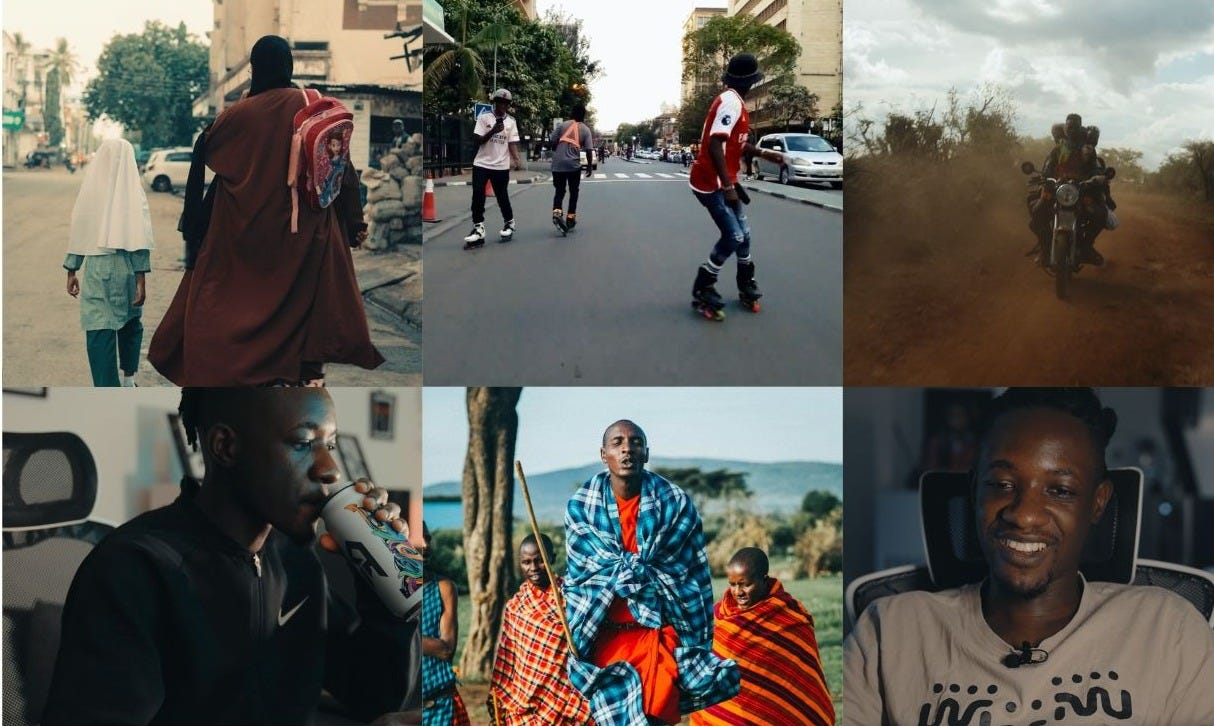

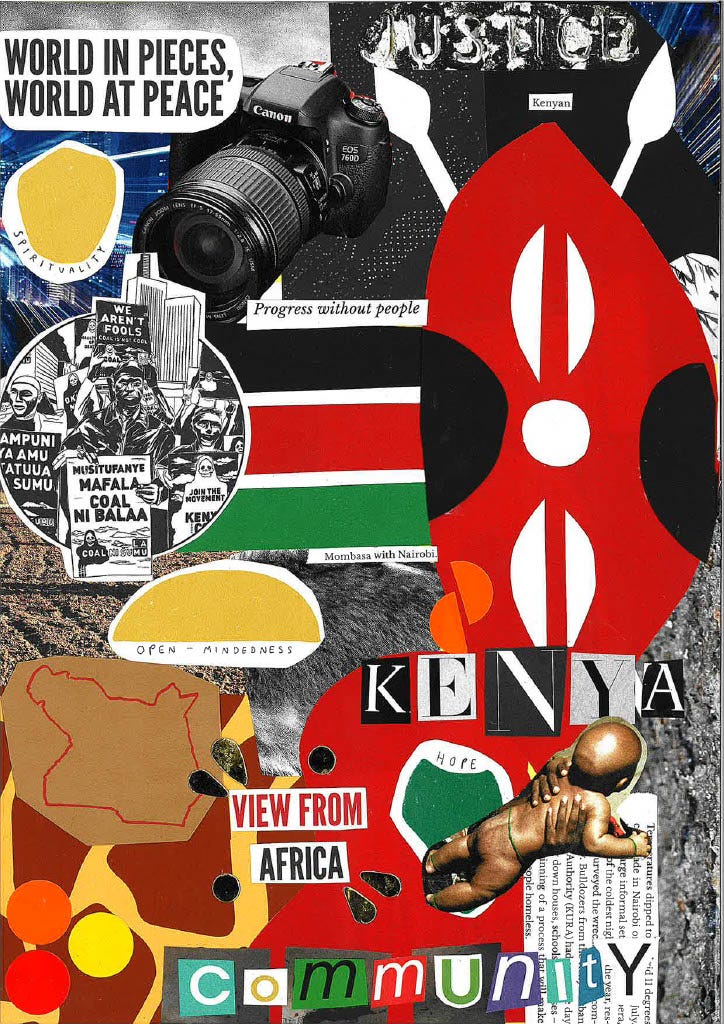
Kenya is a country with a deep, rich culture, brimming with heritage. Its vast scenic landscapes and complex ecosystems of wildlife with more than 40 national parks are truly a wonder of planet earth. Located in East Africa it’s savanna is famous from movies and books and is an iconic landmark of Africa’s natural beauty. However, Kenya is also one of Africa’s more cosmopolitan countries with large cities such as Mombasa and Nairobi, and as technology develops we are seeing a change in Kenya’s communities.
Kenyan communities in both rural and urban areas have been adapting to a period of change and progression. Tribal communities such as the Massai, Rendille and Turkana, have adapted and flourished with new income opportunities and wildlife conservation. A documentary team for ‘Tipping Point’ ,directed by Matthew Jeffrey and produced by Alex Crowton, wants to show the current social climate and point in development of Kenyan communities in different areas. They also hope to aid the progression in crowdfunding for them to supply filming equipment and workshops to schools in Kenya. ‘Culture is passed down by singing and dancing, little is written down’, the creative industries are a perfect way to bring tradition to the future by sharing culture through creative mediums.
Tipping Point:
When speaking with the director of the project Matthew Jeffrey, it was immediately clear of his passion for the project. With a projected production date in July the project is currently still in its development stage.
’We’re observing these three different generations of Kenya, which is the past, present and future. So we’re currently trying to cast a young person that’s a student, a working professional and then we’re going to be focusing on someone from a tribal background…Together, these characters form a triptych- illustrating past, present, and future in a society at its tipping point.’
The project is a collaboration between both British and Kenyan creators and is described as a ‘poetic documentary’ as they document how the communities across Kenya are adapting to the rapid change that is currently underway. Matthew previously stayed with the Massai tribe located in southern Kenya who live and protect the Massai Mara, a national park. ‘I got to see how they live. And I was just surprised that people are living like that, and then not far away, you’ve got people living like a city life. I just found it quite strange that you’ve in a very small sort of radius, you’ve got people living completely differently’. Viewing it first hand, Matthew was struck by the stark contrast between the old and the new and the documentary is an integral tool in allowing different nations to witness the culture just across the ocean.
A Period of Change
Technological advancements is just one of the many environments rapidly modernising in Kenya. The Tipping Point creators are currently crowdfunding and partnering with NGOs (non-governmental organisations) to provide schools with filming equipment and workshops to aid in the development of the blossoming creative industries in Kenya. Creatives throughout Kenya are embracing the new technology and Kenya now hosts the annual Africa Media Festival in Nairobi to celebrate the new talent.
‘Through film we can show we’re all human. And I guess that’s my approach to filmmaking in general, is that kind of message? It’s really important to me to kind of break down those barriers’- Matthew Jeffrey
According to Hawa Ali, a contributor for Tipping Point, Kenya was the first country in the world to have online money transfers with the development of M-PESA, which was created with the strong knit community values in mind as those in the cities needed to safely transfer money to their families in rural areas.


One concern of such great development is that the rural communities and those outside the main cities get pushed out and left behind. Whilst valid, the rural and tribal communities are embracing modernisation in their own way. With the creation of carbon neutral camps, great leaps in tourism with the development of guiding schools, animal conservation and the progression of female roles within these communities, it truly shows these communities admirably working together to protect their traditions whilst adapting to new ideas and income opportunities.
‘Of course, culture is part of us — this is more about diversifying so they can have a different source of income, and value conserving the environment in the process.’- Spokesperson for tribal communities (National Geographic)
Community is a key part of Kenyan culture and how social justice perseveres to allow opportunities for all. Kenyan people have a strong sense of pride for their communities spanning across the country, which is something that we in the west seem to be falling short on.
‘Community is a massive thing there which is, you know, something that in the West, we’ve kind of lost. They were just so interested and intrigued in everything, and they’re all so dedicated to improving themselves and their country.’- Matthew Jeffrey
When speaking to a contributor of the project, Hawa Ali, she spoke of the strength in communities throughout Kenya and how it is ‘embedded in African culture’, using the African proverb of ‘it takes a village’. Whilst speaking to Hawa and what she found in her own experiences and the participants that the documentary follows is that throughout technological advancements Kenyan people are still protecting their traditional values and bringing those with them through everyday life.