


Volunteer tourism surged in the 1990s, hitting the mass media travel markets in the early 2000’s. This new travel trend promoted travelling with a purpose and giving back whilst abroad. There is a wide range of volunteer programs allowing travellers to pick what suits their skill set, whilst exploring a new destination. From education to environmental work, there are a plethora of opportunities. If you are passionate about wildlife or community development, there is an abundance to choose from. All varying in structure and destination, no two programs are the same.
Here is a full breakdown of the different styles of volunteer tourism, with an insight from young volunteer tourists who have first-hand experience. Exploring what companies to choose, what to know before you go and how to find the right program for you.
Education:
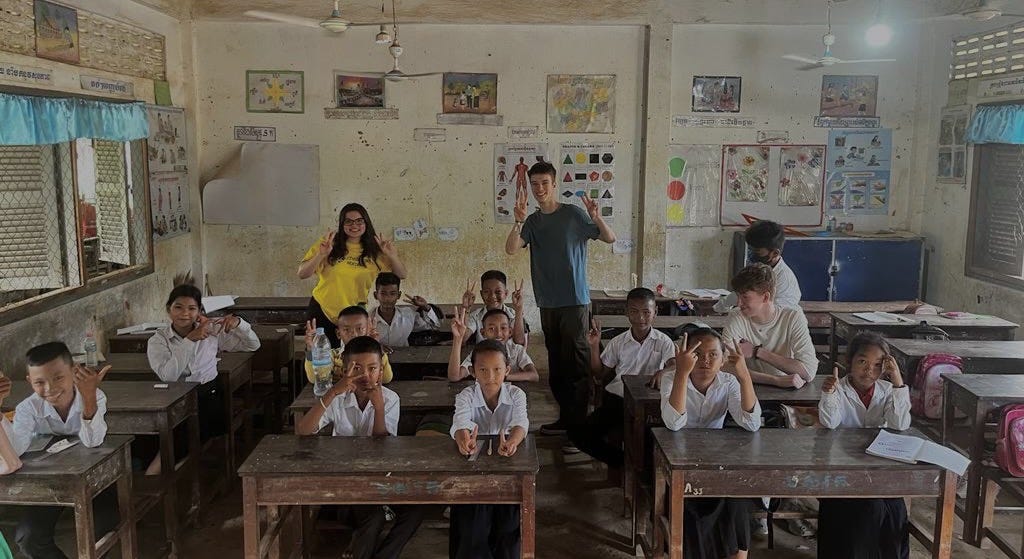
Education is a crucial part of life and society; this fundamental human right is something often taken for granted. Worldwide education volunteer schemes have been established to improve the quality and quantity of education in underdeveloped communities. Typically throughout Africa, Asia and Latin America, where there is a high demand for English teaching but a lack of resources and structure.
These programs typically run from 1 to 12 weeks; the longer that you stay, the bigger your impact will be. Some programs have a minimum stay of 2 weeks to maximise your impact and to ensure an ethical, sustainable outcome. These volunteer schemes are funded by the volunteers, with a registration fee and an overall program fee which typically covers your food and accommodation, in-country transport and 24/7 support whilst volunteering. Some schools and organisations rely on these costs and volunteer participation to keep the programs running and ultimately to continue to improve the quality of education.
Prices vary depending on the country and program; costs can range from £120 to £700 per week. Although this is a wide range, this allows you to find a project that suits your budget. The Mighty Roar offers teaching programmes from £120 to £390, whilst International Volunteer HQ offer programmes from £225 to £684. Challenged Abroad is on the higher end with programmes ranging from £450 per week to £700; the longer you stay, the cheaper it is per week. Challenges Abroad partner with universities, often linked with the turning scheme, making it cheaper for students to volunteer. It is also common that students get a grant to pay for a portion of this volunteering. If you are a student planning to do a volunteer programme, it is wise to look into your university funding to see if there is anything that can cut the costs. Almost all programs don’t include flights; although this act of goodness can be done cheaply, there are definitely lots of added costs.
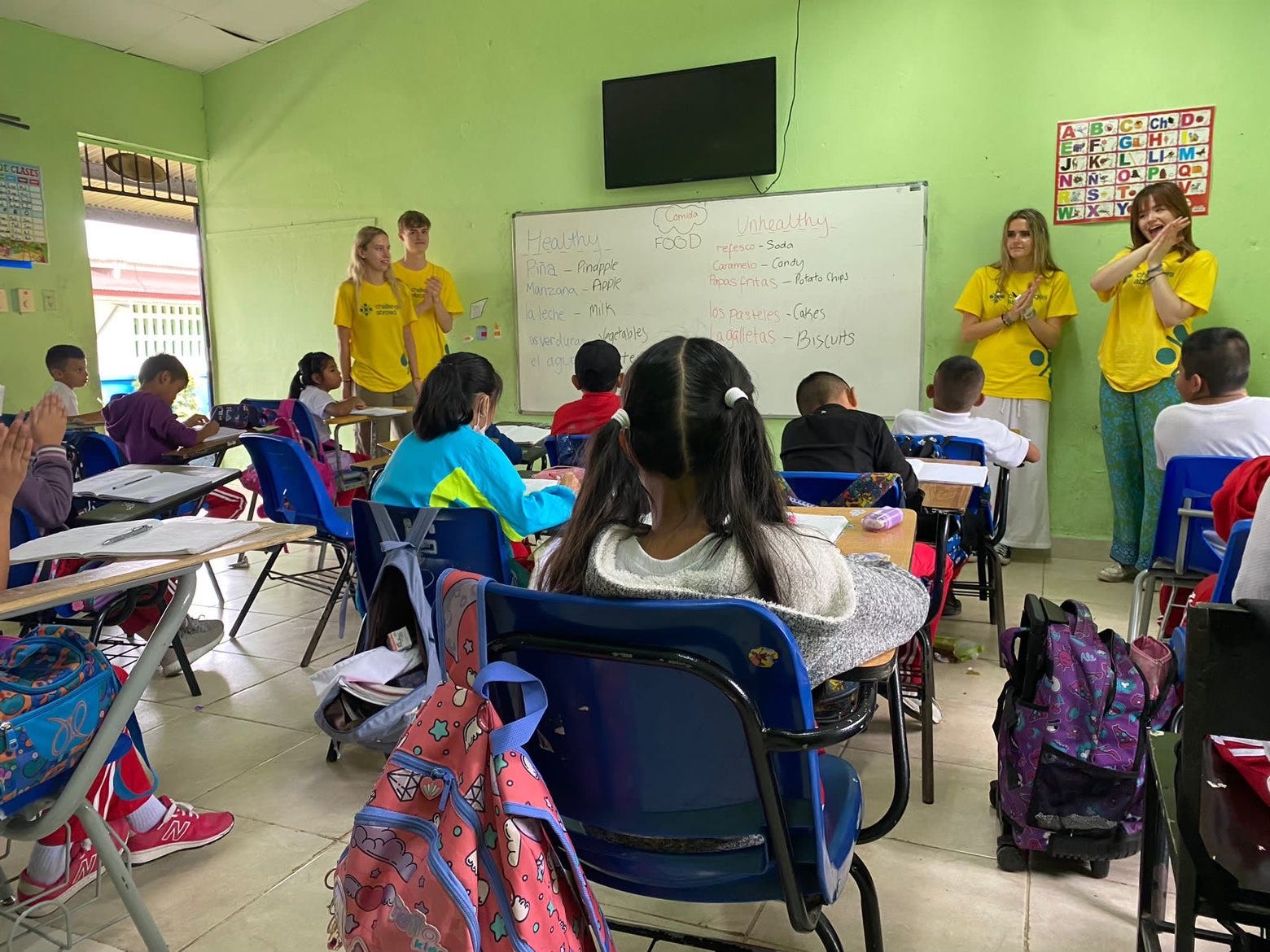
Sebastian Lane travelled to Panama with Challenges Abroad in 2023 on the education challenge programme. Volunteering in the small town of El Valle de Antón for two weeks, Sebastian taught children English across two primary schools. Both lacking English teachers, the schools rely on these programs to provide volunteers to better the children’s English communication skills. From planning lessons to leading the class and setting activities, Sebastian shared:
“Travelling with Challenges Abroad to Panama and India completely changed my perspective on travel! Volunteering in local schools and helping children with their English was incredibly rewarding, while experiencing different cultures taught me valuable lessons in adaptability and empathy. These trips showed me that travel is about much more than sightseeing, but it’s about building connections, supporting local communities, and growing as a person through meaningful experiences.”
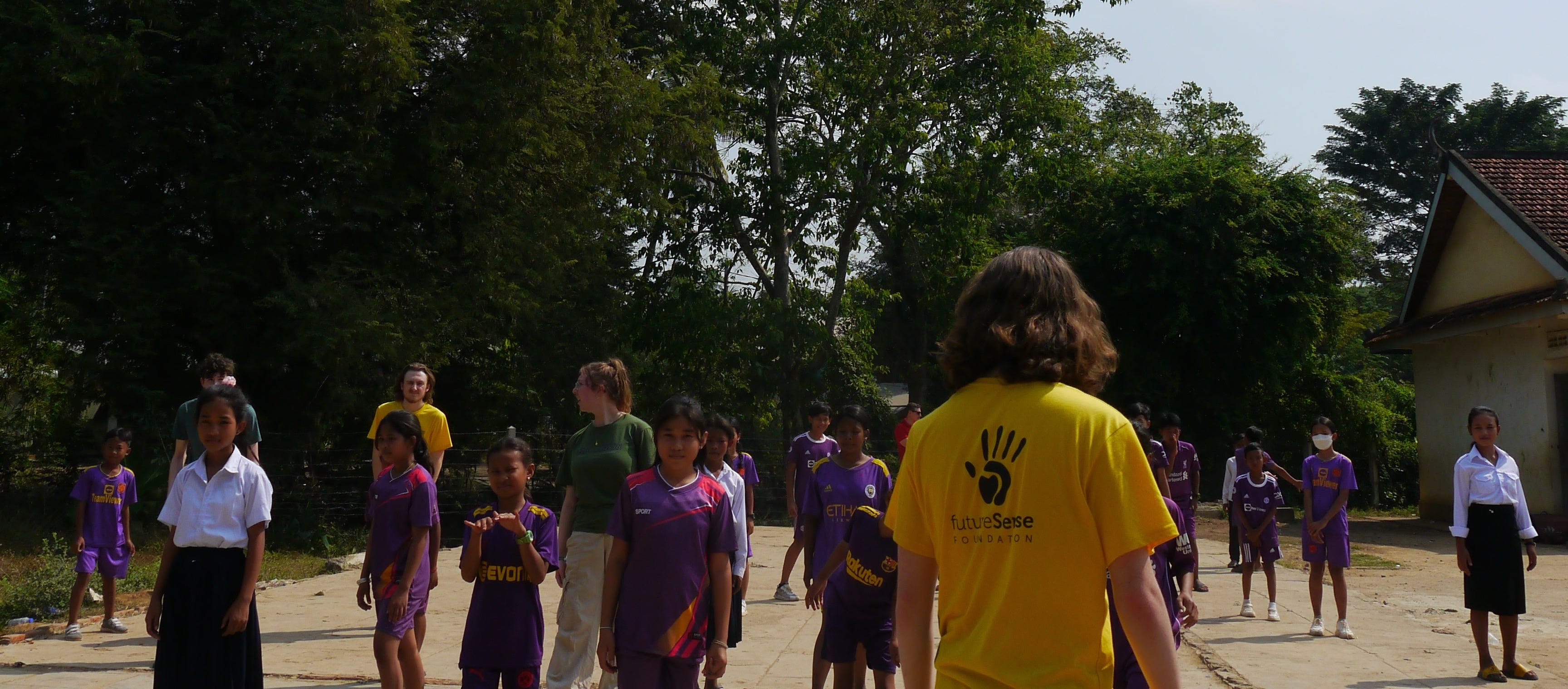
Challenges Abroad is a well-established volunteer organisation for students. Operating programs across ten countries, with a range of programmes. Although specialising in educational volunteering, Challenges Abroad offers medical, wildlife, environmental and social community programs. With the ‘Mission is to develop the next generation of Global Citizens’, they promote impactful travel. Challenges Abroad is partnered with The FutureSense Foundation. The FutureSense Foundation works year-round in the communities to run the programs whilst ensuring a long-term sustainable impact. The charity operates in six hubs and develops a range of programs to address the communities’ needs. Challenges Abroad acts as the backbone; they structure, advertise and arrange these programs for individuals to participate in. When asked about his experience with Challenges Abroad Sebstain shared that:
“The process was smooth and well-organised. They provided clear guidance before departure, support while abroad, and made sure volunteers felt prepared and safe.”
With pre-departure meetings, a support team and extensive information packets to read, Challenges Abroad equip you with everything you need to know pre-departure. Your programme fee includes airport pickup and drop-off once in the country, making your experiences effortless and stress-free. These supportive programmes not only ensure the safety of the community but also the volunteers; when in country, you typically have a challenge leader. This person of authority is there to support your experience, help with any queries and make this experience as smooth as possible.
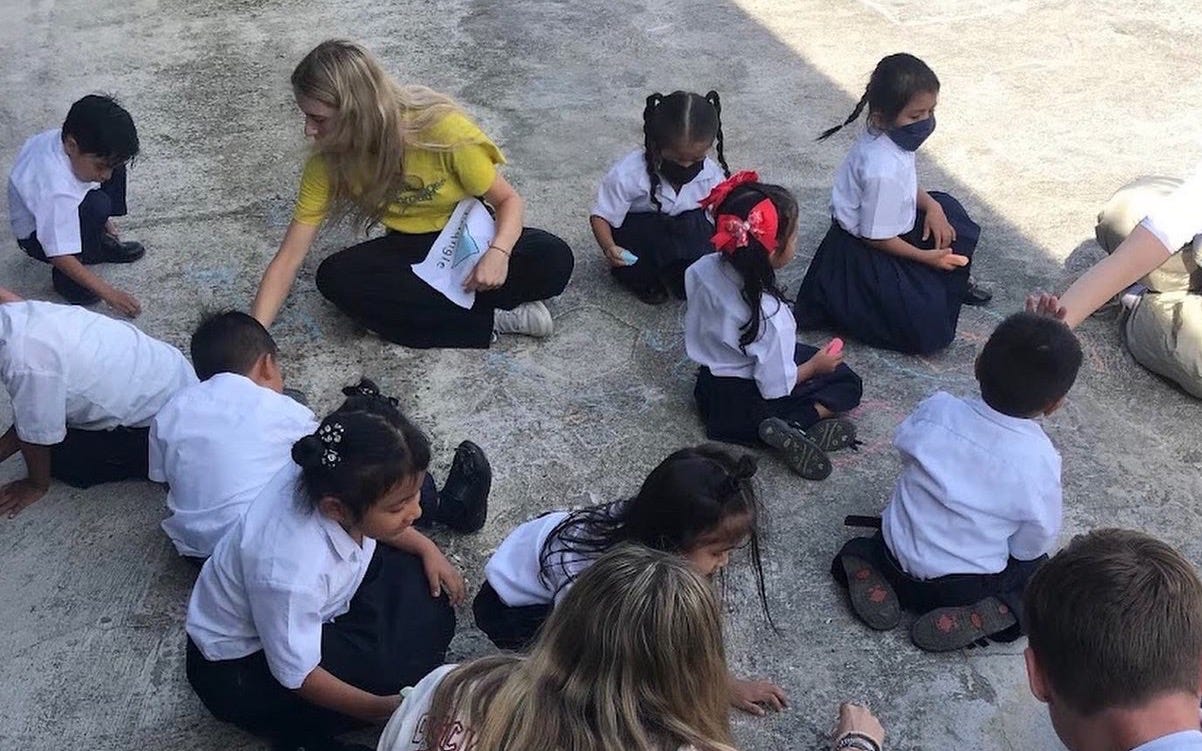
Educational programmes can differ; although commonly teaching English to children, some programmes offer a range of education from health and wellbeing to women’s health and general education. So choose the program that fits your skill set; these community projects allow you to immerse yourself in a new culture whilst helping these underprivileged communities. When asked what advice he would give to someone considering educational volunteering abroad, Sebastian emphasises:
“Go in with an open mind and a willingness to learn… not just to teach!”
Wildlife:
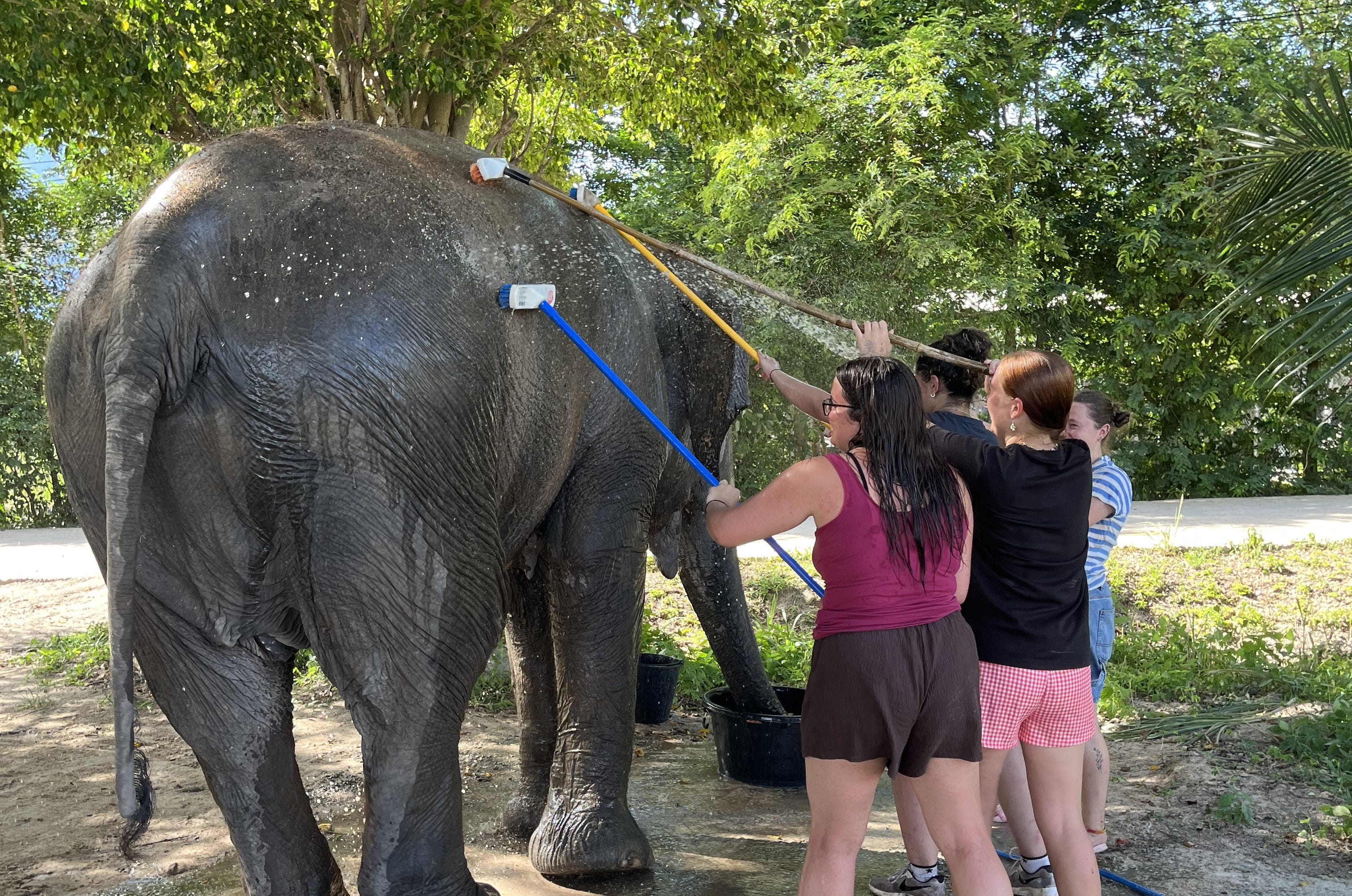
Over one million species are currently at risk of extinction. In recent years, wildlife has faced a devastating decline, as habitats are destroyed and climate change rises; our planet is at risk of extinction. Primarily driven by human activity, it is our responsibility to undo what has been done.
There is a wide range of wildlife volunteering programmes, but picking the right one is crucial. Unethical programmes cause more harm than good, and are borderline animal tourism rather than conservation work. Companies like The Mighty Roar, GVI, Challenges Abroad, International Volunteer HQ, and Plan my Gap year provide ethical and sustainable programs that positively impact the planet. From restoration to rehabilitation, there is a project for everyone.
Wildlife volunteer programmes range in price from £120 to £1000; although this is a wide range, it again lets participants choose a programme that suits them and their budget. Prices vary depending on the location, the type of conservation and the animals that are involved. Most programmes have a registration fee to cover pre-departure and in-country support. Similar to education volunteering, it is possible as a student to receive a grant or funding to aid you with the costs of this trip; it is always worth checking with your university.
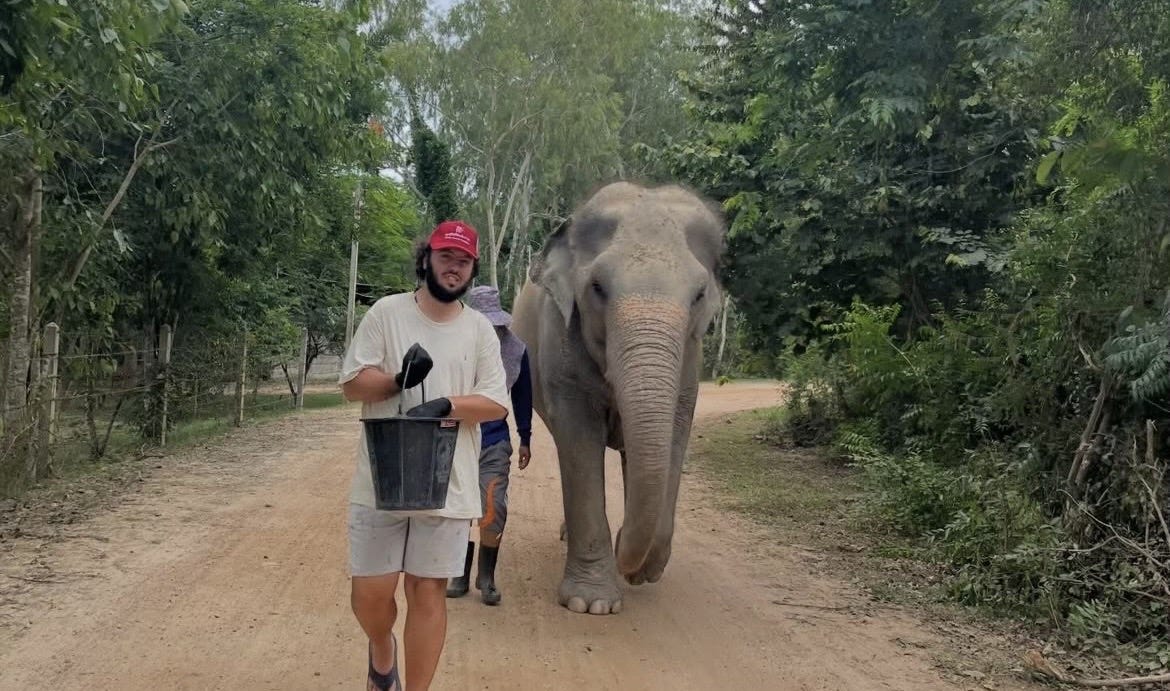
Max Reed travelled to Thailand in 2025 with The Mighty Roar on the Thailand Elephant Volunteer Programme. This programme partners with Wildlife Friends Foundation Thailand, working to ‘rescue and rehabilitate captive wild animals and provide high-quality care and a safe environment for them to live for the rest of their lives.’ This foundation relies on volunteers to help run the sanctuaries; as an extra pair of hands, you become a zoo keeper for your time there. When asked about his experience at the sanctuary, Max shared:
“I spent two weeks volunteering at the Elephant sanctuary in Thailand; it was absolutely incredible, backbreaking but incredible. To meet and work and interact with a lot of people from different countries, as well as from my own home country in the UK, and spend so many wonderful moments with them during the day and night was amazing. When you weren’t on duty, you were allowed to mingle and mix and enjoy yourselves with the other volunteers. I am extremely grateful for the friendships created through this trip.”
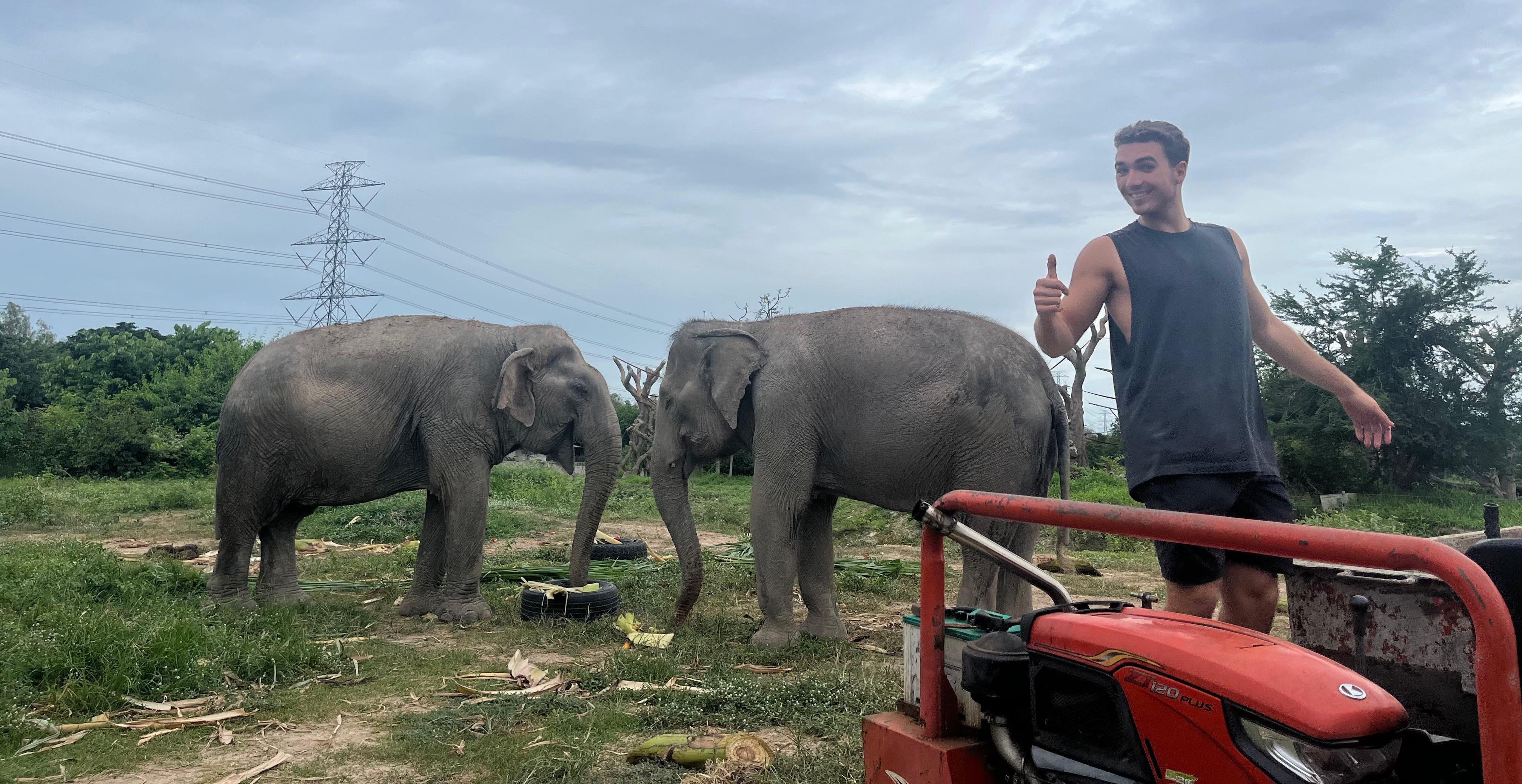
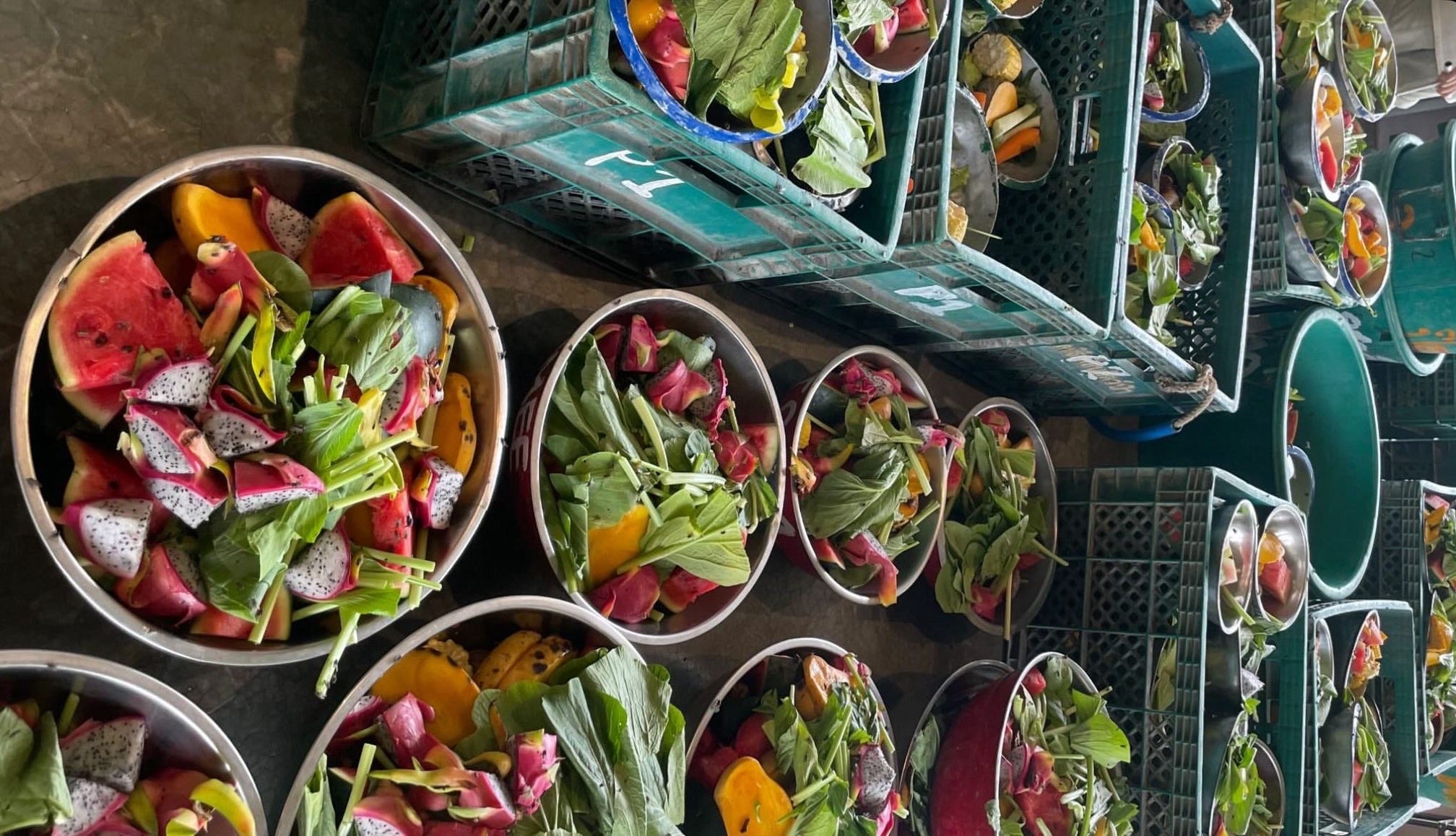
The wildlife rescue centre has over 600 animals; the elephant sanctuary is home to 20+ asian elephants. Your role as a volunteer involves cleaning enclosures, feeding the animals and creating enrichments for them. Their hands-off approach is what makes this ethical sanctuary more sustainable; by prioritising the animals’ health and wellbeing, volunteers are not causing harm. This is not a tourism scheme, but an organisation that rehabilitates animals. With a vet centre on site, animals receive round-the-clock care; the organisation also offers veterinary volunteers to gain hands-on experience whilst also making an impact. Max shared what it was like volunteering day to day;
“The work was obviously hard, especially with the different weather conditions, preparing the elephants’ morning and afternoon food; you would go out in the trucks to harvest and bring back banana trees, and also cleaning out their enclosures. But it was all worth it every time.”
Within wildlife volunteering is environmental volunteering; some projects singularly focus on climate action and sustainability, focusing on conservation work. This can involve tree planting, river cleaning, environmental restoration and combating plastic pollution. With a similar structure to wildlife volunteering, this project is perfect for those who are passionate about saving the planet, this form of responsible travel is the perfect example of giving back, travelling greener and leaving no trace. Throughout Lauren’s time at the Wildlife Friends Foundation Thailand, the organisation is always working on bettering the environment. Through composting and waste reduction alongside their rehabilitation, they are preserving the environment.
These volunteer roles can be physically demanding, and volunteers are required to wake up early to stick to animal feeding schedules. This style of volunteering isn’t for the faint-hearted and requires dedication. With each day being different, you will face obstacles and hardship, but seeing the animals thriving is reward enough. Wildlife volunteering can be damaging if not done correctly, and at the core of this work is the animals’ wellbeing, so choosing the correct program is vital. When asked what advice she would give to someone considering wildlife volunteering abroad, Max shared:
“Look forward to an absolutely amazing time, treasure the memories you make as time will fly by fast. The people you meet will be friends for life.”
Medical:
Medical volunteering has strong roots, dating back to at least the 19th century, in response to the Second World War. Before the war, missionary doctors would travel to establish clinics and hospitals; this faith-based approach focused on the creation, not treatments. However, with the creation of the World Health Organisation, medical volunteering picked up. Moving away from missionary work, after the war doctors, surgeons and nurses travelled focusing on reconstruction, vaccination campaigns, public health campaigns and humanitarian responses. Now in the 21st century, medical volunteering is common among students, for placement and work experience to not only widen their skills but to create a positive impact.
There is a wide range of opportunities for medical volunteering, from paramedic placements to clinical volunteering to midwifery, allowing you to pick what suits your skill set. Choosing a reputable company is key; companies like International Volunteer HQ, Work the World and The Mighty Roar all offer a range of programs and have received high praise for their success and sustainable structure.
Like all volunteer programs, medical opportunities vary in cost ranging from £160 to £1890 per week, depending on the programme, destination and the medical involvement. Most programmes also require a registration fee which goes towards providing you pre departure support; this cost will vary depending on the organisation. Typically, your programme fee includes your accommodation, meals and in-country transport as well as 24/7 support whilst on the programme. The Mighty Roar offers affordable programs ranging from £160 to £490, across 7 different countries, with a focus on hands-on clinical experience. These programs are great for creating a positive impact whilst learning and gaining experience. International Volunteer HQ offer Programs from £210 to £735 per week, with a wider range of pieces and a larger range of opportunities; you can pick the programme that suits you.

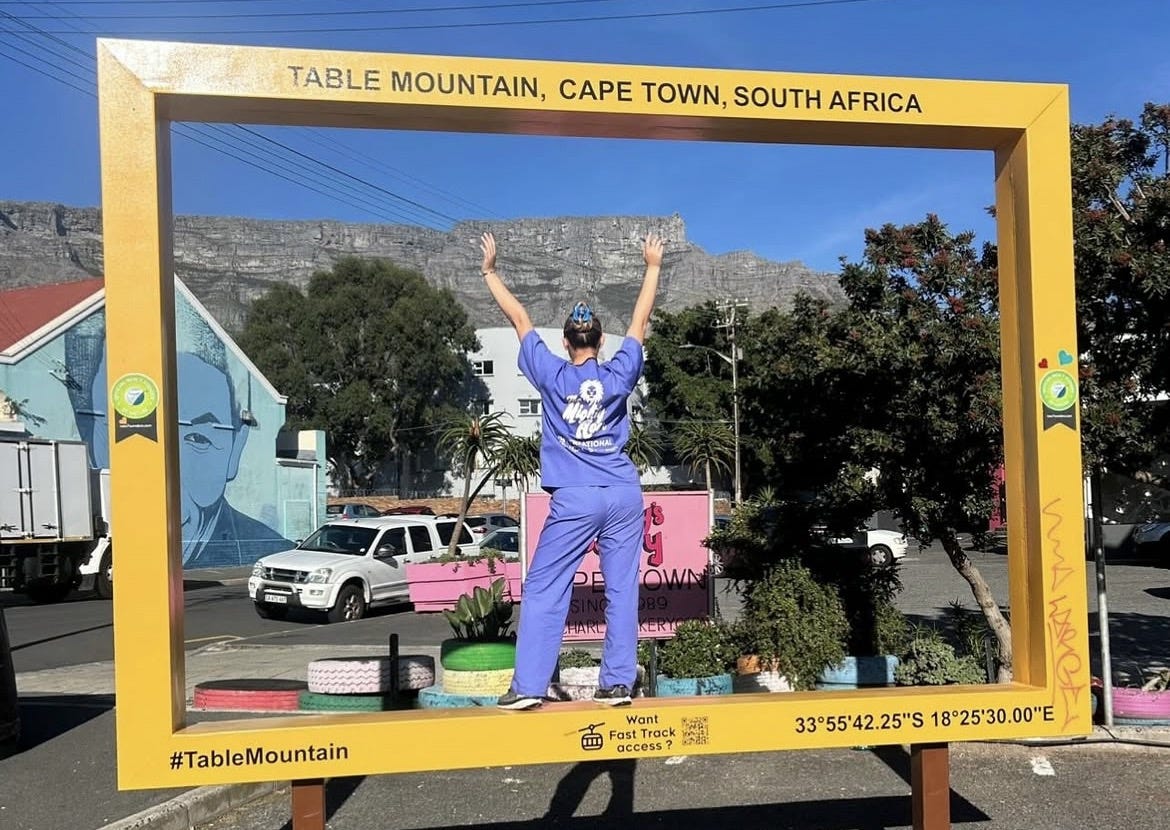
Libby McFarlane travelled to South Africa with The Mighty Roar on their medical experience programme. For 4 weeks, Libby helped at a local clinic in the heart of Cape Town. This busy, overcrowded clinic offered a range of free treatments to those in need. This programme is designed for students to further their experience in the medical field whilst making a difference. This programme is only for students who are studying a relevant subject and are looking for overseas elective placements. This hands-on learning not only benefited the volunteers but the doctors and nurses at the clinic, through the exchange of medical knowledge and experience. When asked about how she felt she created an impact, Libby reflected on her experience and shared:
“I created an impact by assisting and teaching the local staff how certain procedures are carried out in the UK, a basic one being cleanliness before tasks. I often encouraged staff to ensure they have washed hands, worn gloves etc as they were unaware of the dangers of infection, whereas nursing in the UK, infection is a huge part of our roles. I created great bonds with the staff, and we were all able to teach one another many things!”
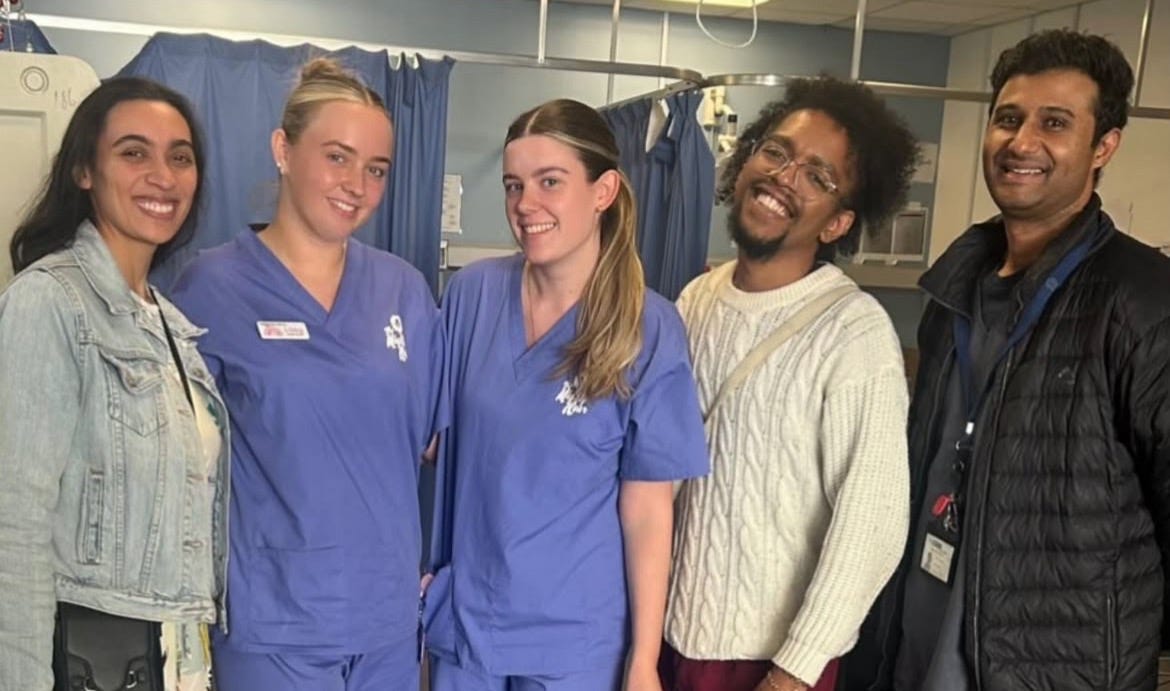
Throughout the program, volunteers aid the clinic in a variety of ways, from monitoring patients, helping doctors with “ECG, drips, getting vital signs, weighing babies”. Volunteers are immersed in the local healthcare environment. Working in a range of departments from chronic health to emergency and wound clinics, volunteers lend an extra pair of hands to those in need. Although the role is largely observational, being there for the patients and aiding in any way made an impact. All medical activities carried out were under the supervision of a medical professional on site. With 24/7 support from The Mighty Roar, this structured program is great for those wanting to travel with purpose whilst creating an impact. When asked what advice she would give to someone considering Medical volunteering abroad, Libby shared:
“Do it!!! I was in so much doubt and fear leading up to my trip, questioning if it was the right thing to do! And it was the best experience of my life! I made friends for life and lived so many bucket list moments! So definitely do it!! Don’t be scared”
Deciding what style of volunteering you want to do is your first step, then researching and finding an ethical and trusted company. During your pre-departure prep, there will be lots of added costs, suitable clothing, visas, vaccinations and your flights. Although these add up and it can become expensive to travel to make an impact, you are giving back.
Although you are only one set of hands, your impact can be as small or as big as you want it to be. The extra set of hands you lend makes daily operations run smoother, improves the quality of health and education, and if enough people are inspired to do it then the impact will be even greater. During my time volunteering abroad, I set up fundraising pages to raise money for the organisation, raising over £1,000 for challenges abroad. I was able to contribute to the creation of one of their new school buildings. Dream big and start small, but make sure to go into this with the right intentions. This isn’t a holiday but a chance to help make a difference.