


The pandemic brought the cinema industry to a standstill for months in 2020 and 2021. However data shows that from 2023 until 2025, the appetite to go to the pictures is still there.
The admissions into cinemas are generally improving annually, however are yet to reach the pre pandemic heights. Cinema-goers are using the cinema in different ways post Covid, with social and cultural trends influencing them on what to see and when to see it.
Before the global pandemic, going to the cinema was a common occurrence. Millions of people would attend cinemas, annually and ensure that they were able to see the newest and most exciting releases as quickly as possible.
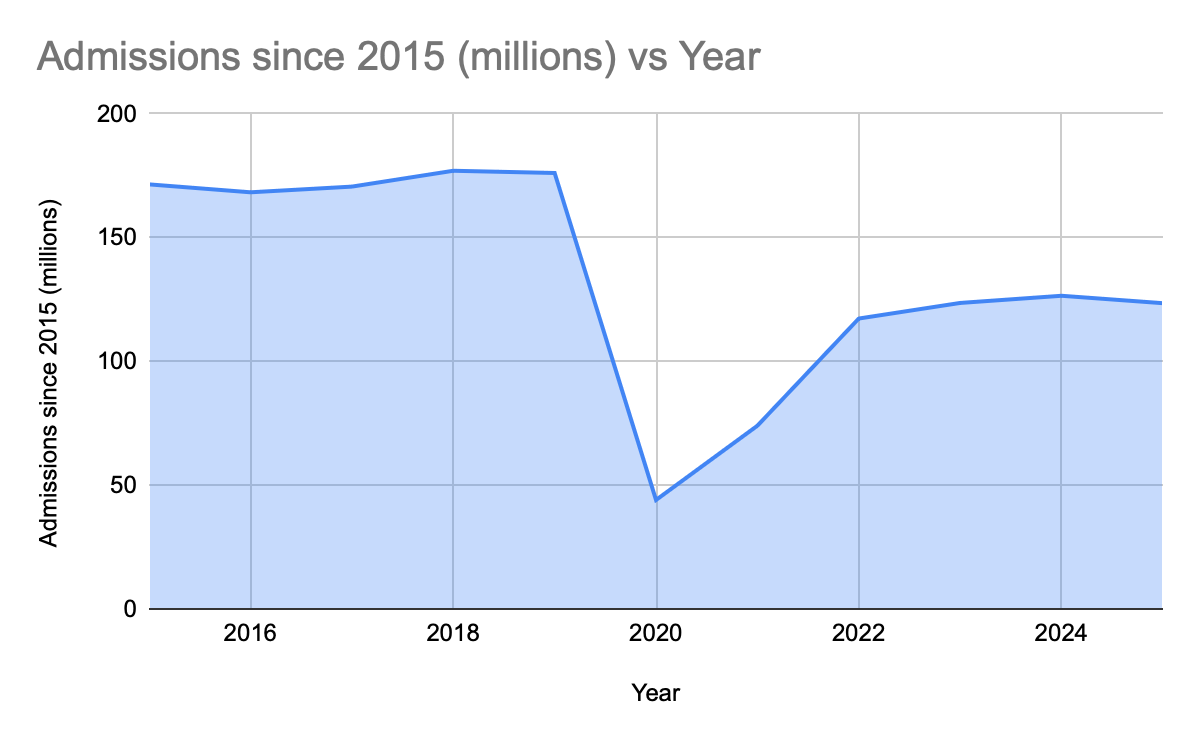
In data collected by the UK Cinema Association, cinemas saw 176.1m people through their doors in 2019. The highest admissions since 1970.
This coincided with the massive release of Avengers: Endgame, which was released 25th April 2019. The admissions for the month of April that year were 15,981,248 and that number increased in May to 16,570,282. There was almost a one year wait for viewers to find out the outcome of the cliffhanger at the end of Avengers: Infinity War, hence why viewers wanted to see the film immediately.
Avengers: Endgame was not the only blockbuster release of 2019, however. In July, the live remake of The Lion King was released. The admissions to UK Cinemas in July was its highest in 2019, at 18,646,247. These numbers also coincide with the school summer holidays which may also explain why they are so high.
Between 2015 and 2019 the average annual admissions were 172.7m, highlighting that in the time period the cinema industry was thriving and people were going to the cinemas.
Coronavirus and the subsequent lockdowns meant that annual admissions in 2020 were only 44 million, and in 2021 74 million.
This is largely due to a seven month period in which cinemas were fully shut down meaning the admissions was zero. April to June 2020 and January to April 2021.
The impact of Covid wasn’t solely the closure of cinemas. Filming and production studios also had to completely close, which delayed the release of films. In turn this meant that when cinemas did eventually reopen there were fewer new films available to viewers, impacting cinema admissions.
For example, Jurassic World Dominion was one of the first blockbusters which had to make adaptations due to the Pandemic. The film was originally due to be released in June 2021, but had to be delayed a year, and was released June 2022.
The first big step in the recovery from Covid was the release of No Time to Die, the final James Bond film starring Daniel Craig was released in 2021. It was released 30th September to UK Cinemas. A week before its release in America.
The following month saw cinemas admit 16,442,875 people which was the most since January 2020 where there were 16,505,362 admissions.
In October 2021, Venom: Let There Be Carnage was released, sequel to the 2018 hit, which also would have attracted large audiences.
However, it wasn’t until 2023 where the cinema attendance started to properly pick up.
2023 was a big year for the film and cinema industries with two blockbusters being released on the same day. Barbie and Oppenheimer.
These two films also massively took off on social media with the ‘Barbenheimer’ craze. The social media activity surrounding these films also had an impact on people going to the cinemas. In order to be involved in ‘Barbenheimer’ you had to have seen the films, and to begin with the only way to do that was the traditional route of cinemas.
Isobel Wright, MA in film studies, explains why ‘Barbenheimer’ was so influential:
‘Audiences do like to turn out for big cultural experiences, like ‘Barbenheimer’.
Being at the cinema provides people with community and shared experience, being part of the conversation means people show up and engage with the cinema.’
People being engaged with the cinema is reflected in the data of July 2023, when the films were released, the month saw the highest admissions since 2019, with 17,600,142.
This engagement then continued into the following month where 14,576,128 people went to the cinema.
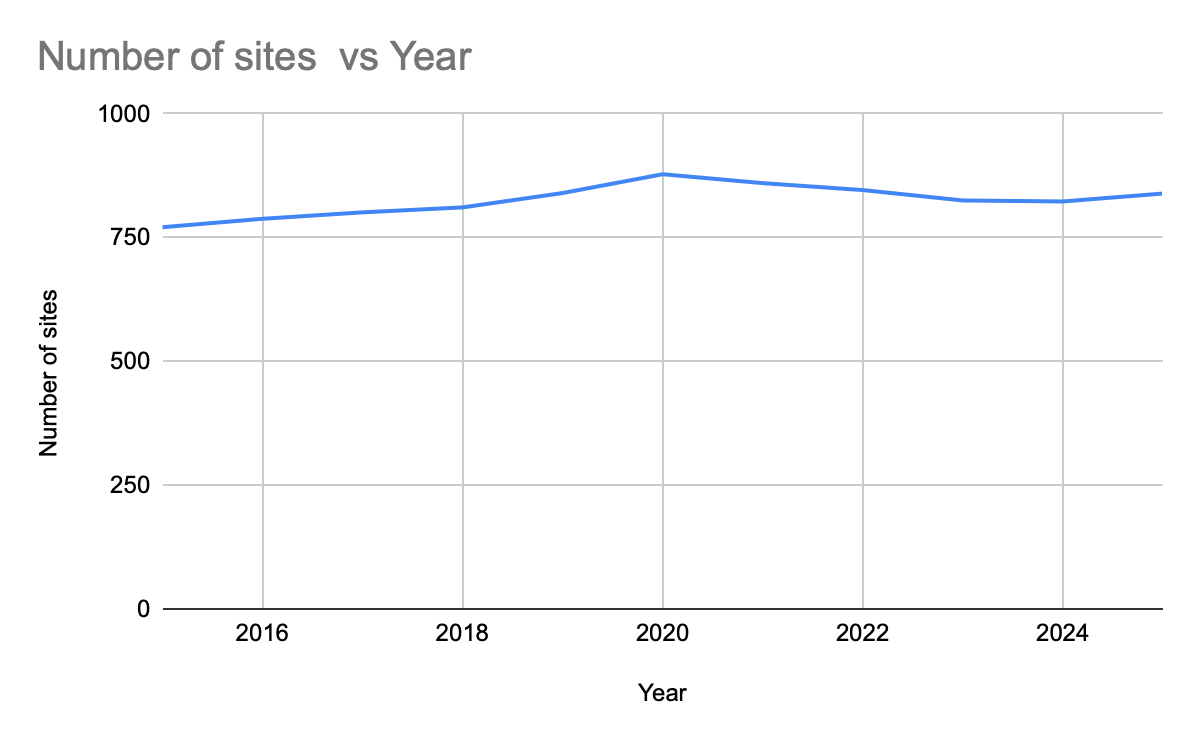
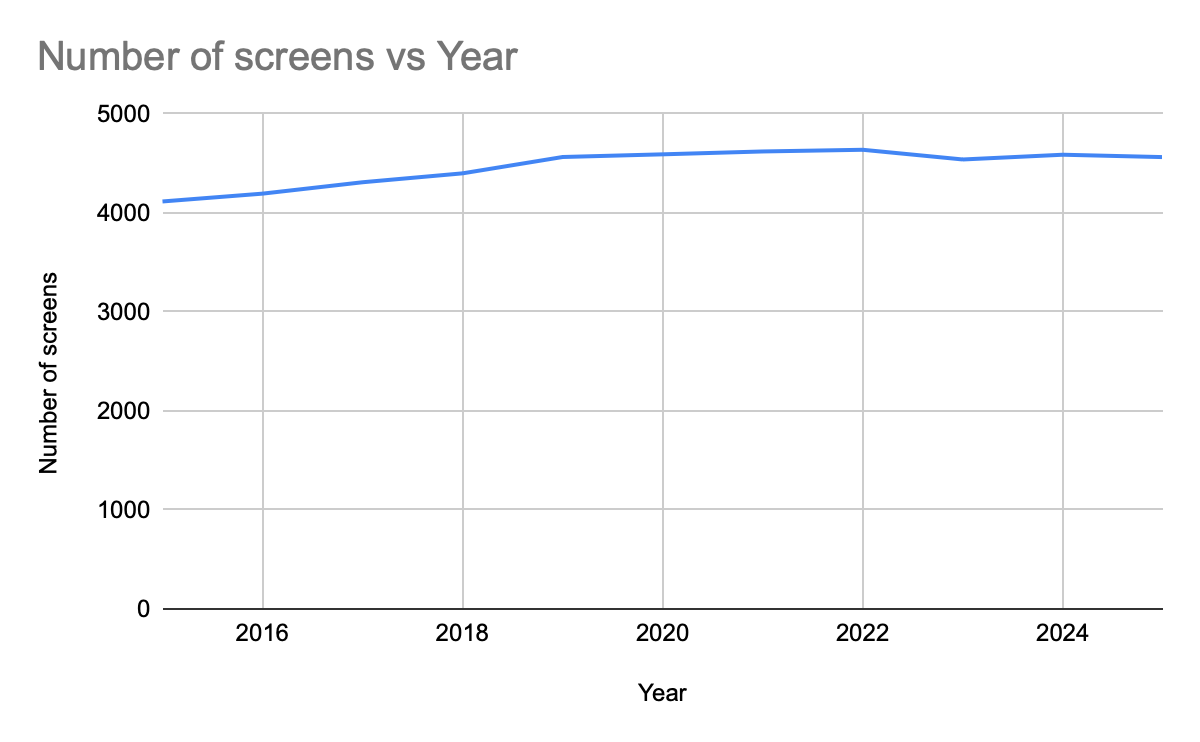
Even with the challenges that the cinema industry has faced since Covid the number of screens and sites has been maintained.
In 2025 there were only one fewer cinema sites compared to 2019, with 19 new sites opening between 2024 and 2025.
The number of screens is almost identical to the pre covid numbers too, with 4,564 screens in 2019 and 4563 screens in 2025.
Even with the drop in attendance the cinema industry in the UK has managed to remain resilient and support itself.
The full data for 2026 are not yet available, however figures for a historic August have been published.
The month saw over 17 million cinema admissions, according to the UK Cinema Association, the second highest monthly figure since Covid. This was a 56 percent increase to the same month last year.
This increase coincided with the release of The Odyssey, which was filmed using IMAX cameras, giving the viewers more reason to go to the cinema to watch it, specifically in IMAX where they could experience the film exactly as designed.
The highly anticipated release of Spider Man: Brand New Day also contributed to cinema attendance highlighting that major franchise releases continue to attract large audiences to the big screen.
The data indicates that even though cinema attendance has yet to hit pre covid heights, audiences still enjoy the cinema experience.
Cinemas are also important for films looking to win major awards.
Isobel Wright references that in order to be nominated for prizes films have to have been shown in public cinemas, even if they are by streaming platforms, highlighting the importance of cinemas, even for films made by streaming services.
‘Streamers still have to give their films a theatrical run, to be eligible for awards like the Oscar’s.
So there is still an element of prestige and legitimising power in the physical cinema industry.’
While feature films need a theatrical run to be nominated for the biggest awards, films will continue to be released in cinemas, and while films are released in cinemas, data suggests that people will continue to go to the cinema.
It is important to reference though, annual admissions into cinemas in 2025 are down by almost 30 percent compared to 2019.
So while the industry is adapting to the new viewer preferences following on from Covid, and this is reflected in their admissions, in order to get those numbers back up to pre Covid times further adaptation will be necessary.
All data and statistics sourced from UK Cinema Association.