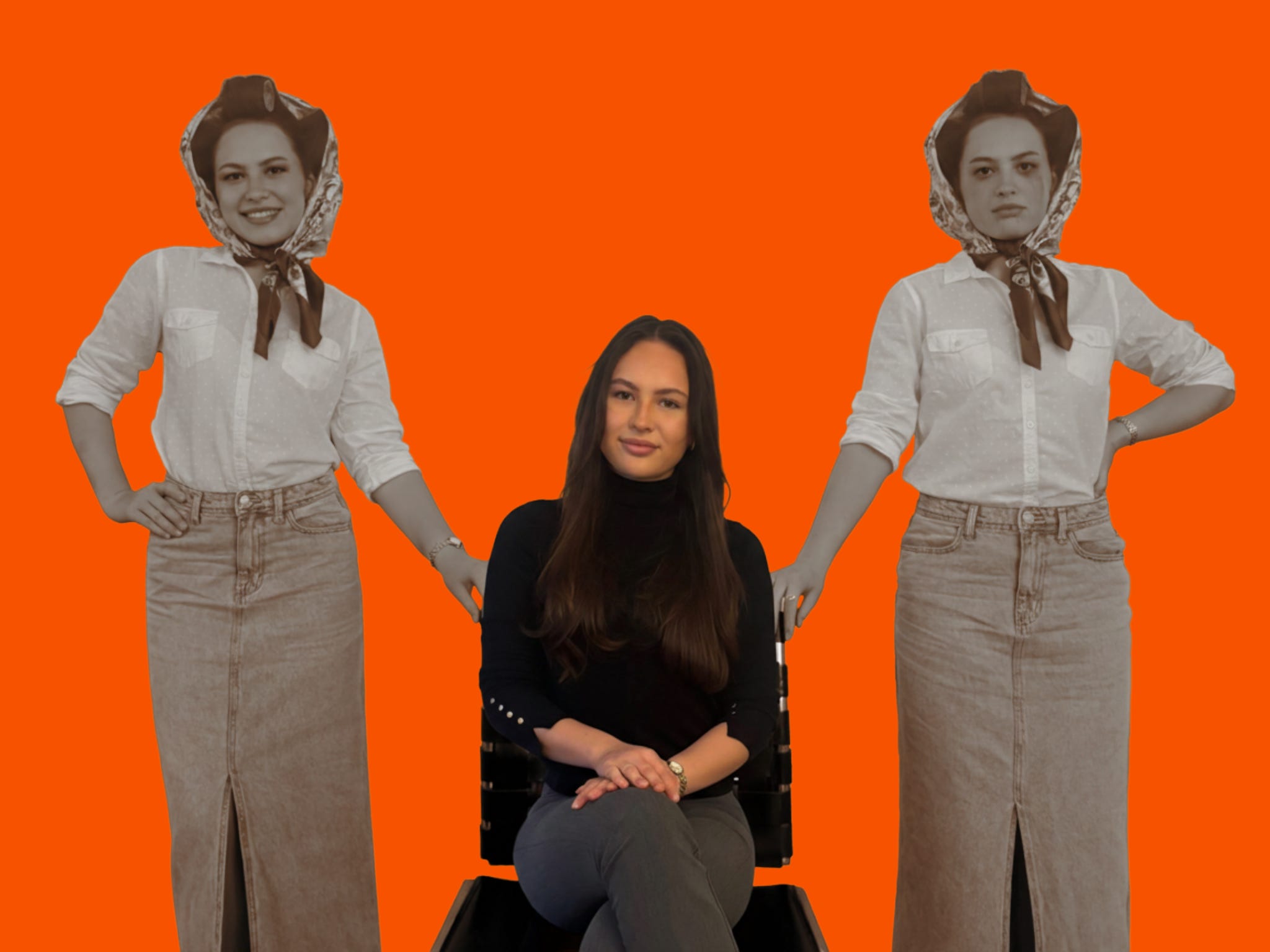

We are living in a strange world. There are rising global tensions, environmental dangers, and increasing economic crisis, yet somehow it all unfolds alongside where politics and culture can be consumed as content. It’s scrollable, sharable and almost entertaining. And in between the chaos another type of content thrives. On TikTok, life is presented softer. Bread from scratch. Kitchens are spotless. Daily routines are seemingly effortless. It can be calm, controlled, and comforting. But why?
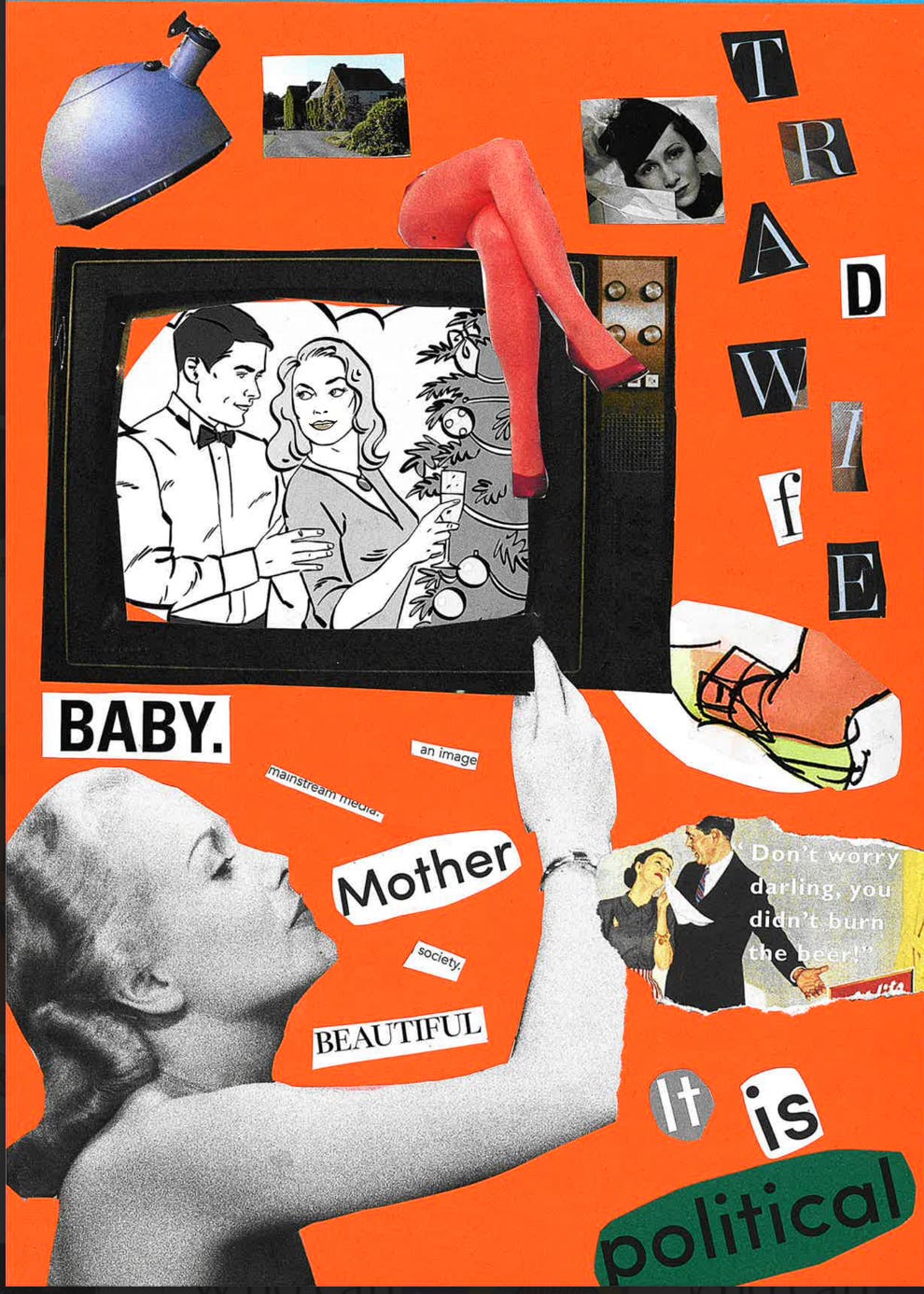
The tradwife trend where domesticity is rebranded as empowering, has quietly embedded itself into Gen Z feeds. Creators like Nara Smith use #tradwife and #feminieenergy to turn everyday labour into something aspirational and increasingly luxurious. And the more you watch, the more the lines blur between lifestyle and expectation. So why is it always womanhood that receives such restricting parameters placed around it? On TikTok, these restrictions are presented as effortless, so subtly that users may not even realise they are consuming it. But the question remains of why tradwife content remains appealing to Gen Z audiences?
Oxford Brookes University lecturer Alon Lischinsky said,
“lots of people live with a sense of almost doom, so much of the vocabulary we have to talk about what we do these days has to do with that people speak about doom scrolling”.
In a post-pandemic world, where we have economic, environmental and political instability, what lies in between is an impending fear of doom for the future. Certainty has become its own currency in this world, one in which seems impossible to attain. “Looking at the past is a way of taking distance from that doom and looking at a time that still had a future and that still believed that the future was going to be easy..” Lischinsky said.
It is clear that nostalgia seems to overpower aesthetics. This allows TikTok to become a place for emotional infrastructure, and the tradwife trend can thrive as it appeals and adheres to this sense of restorative nostalgia. But, the thing with nostalgia is, it never arrives untouched. We don’t realise the political and cultural impact consuming content passively has. Pathum B Rathnayake, an Educational Technologist wrote in an article for Information Matters, “Passive social media use, which involves mindless scrolling… has been consistently linked to negative mental health outcomes”. And, on TikTok where everything is filtered, literally and ideologically, what we consume has a real effect.
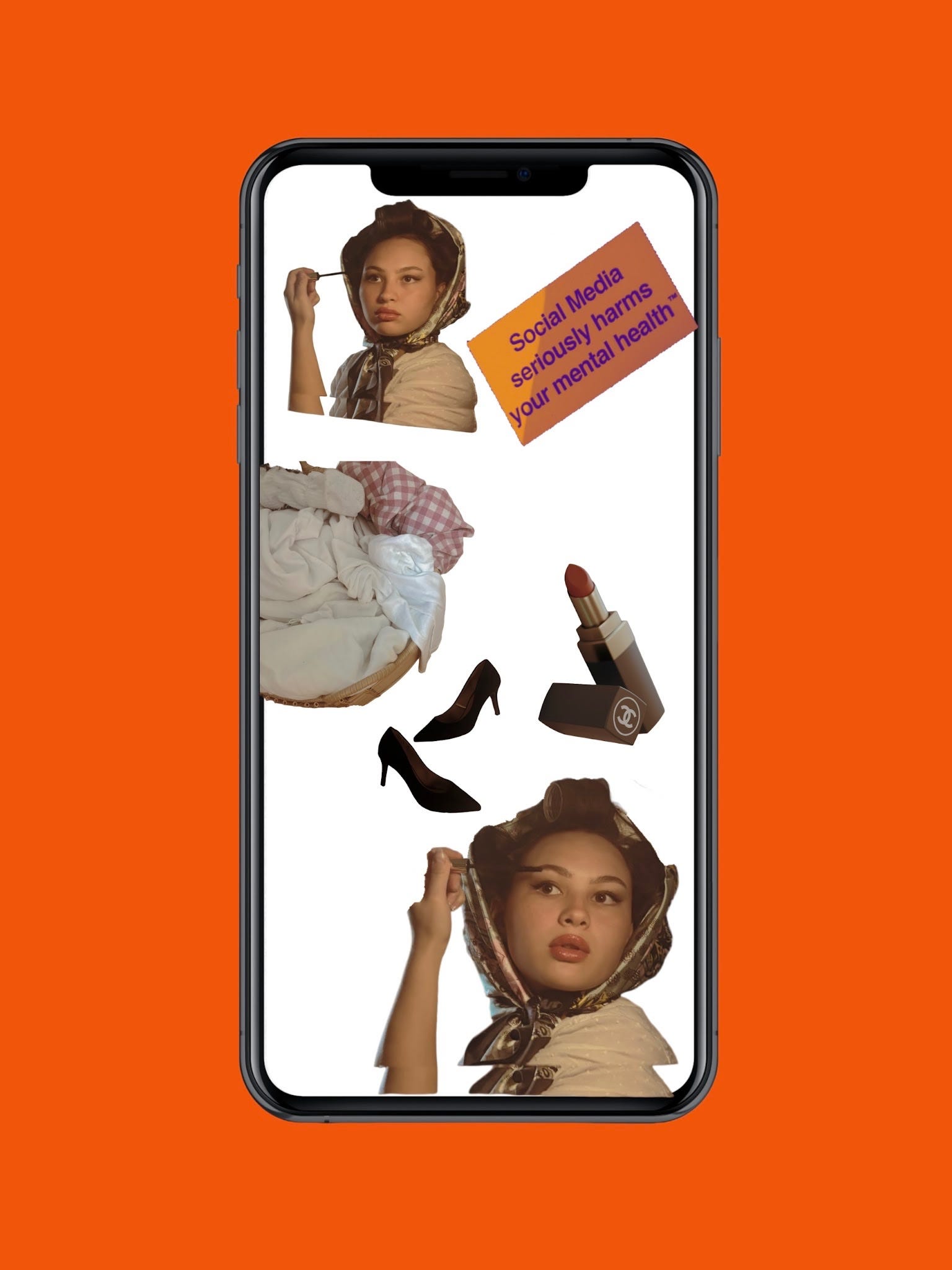
The tradwife trend is not a direct return to the 1950s. However, it remains appealing through language and visuals. A return to the past that feels safe even when we all know it never was. When you sit at home ‘doomscrolling’ you think content is neutral but everything has a message. And with the tradwife trend, the message is motherhood is a defining expectation of womanhood. That domesticity is the expectation. And, more importantly, this does not apply to what is expected of fatherhood. Lischinsky explains,
“I am speculating and I just want to be very clear that that’s what’s going on. I think that this is very much part of a deliberate culture war”.
Lischinsky, addresses the larger issue surrounding this trend, which just marks this chapter in late capitalism. When speaking to Oxford Brookes University students, they were shown a video of Harrison Butker’s graduation speech from Benedictine College, where he claimed, “to the women who have had the most diabolical lies told to you…but I would venture to guess that the majority of you are most excited about your marriage and the children you will bring into this world”. 20 year-old Oxford Brookes student, Rose Jovanovich responded to this video saying, “I think it’s quite outdated, I think the standards are different now”. She is right. But online, these unrealistic ideals are being repackaged and reinforced. And, as long as we keep making this content popular, the more it feeds narratives like Harrison Butker’s.
This asks the question of how language plays a role in a larger cultural narrative, one presenting traditional gender roles as desirable and more importantly, attainable. Attainable through its masking of effortlessness. Even when this is far from the reality in which most people live. Where the cost of living is at an all time high and “the cost of raising a child to 18 is £250,000” says, the Child in Poverty Action Group. This is why it’s unrealistic and can cause extreme expectations that can be harmful to younger audiences. The tradwife trend is far from effortless, it’s inaccessible. TikTok enforces these impossible capitalist fantasies by presenting them as soothing.
The TikTok ‘For You Page’ reinforces this type of content that aligns with users preferences through its algorithmic reward systems. Overtime, this repetition may normalise content that may have once seemed extreme. In a world where uncertainty is widespread, these clearly defined gender roles can become especially appealing when
“looking forward right now is very scary” - Alon Lischinsky
Everyone can understand this, when the world feels so disconnected at the moment. This content allows “People who feel a serious lack of hope… to escape into almost a fantasy alternative reality”, Lischinsky explained. But we need to see through this capitalist agenda, and not neglect the clear implications this may have on a Gen Z audience. Because it’s always political.