


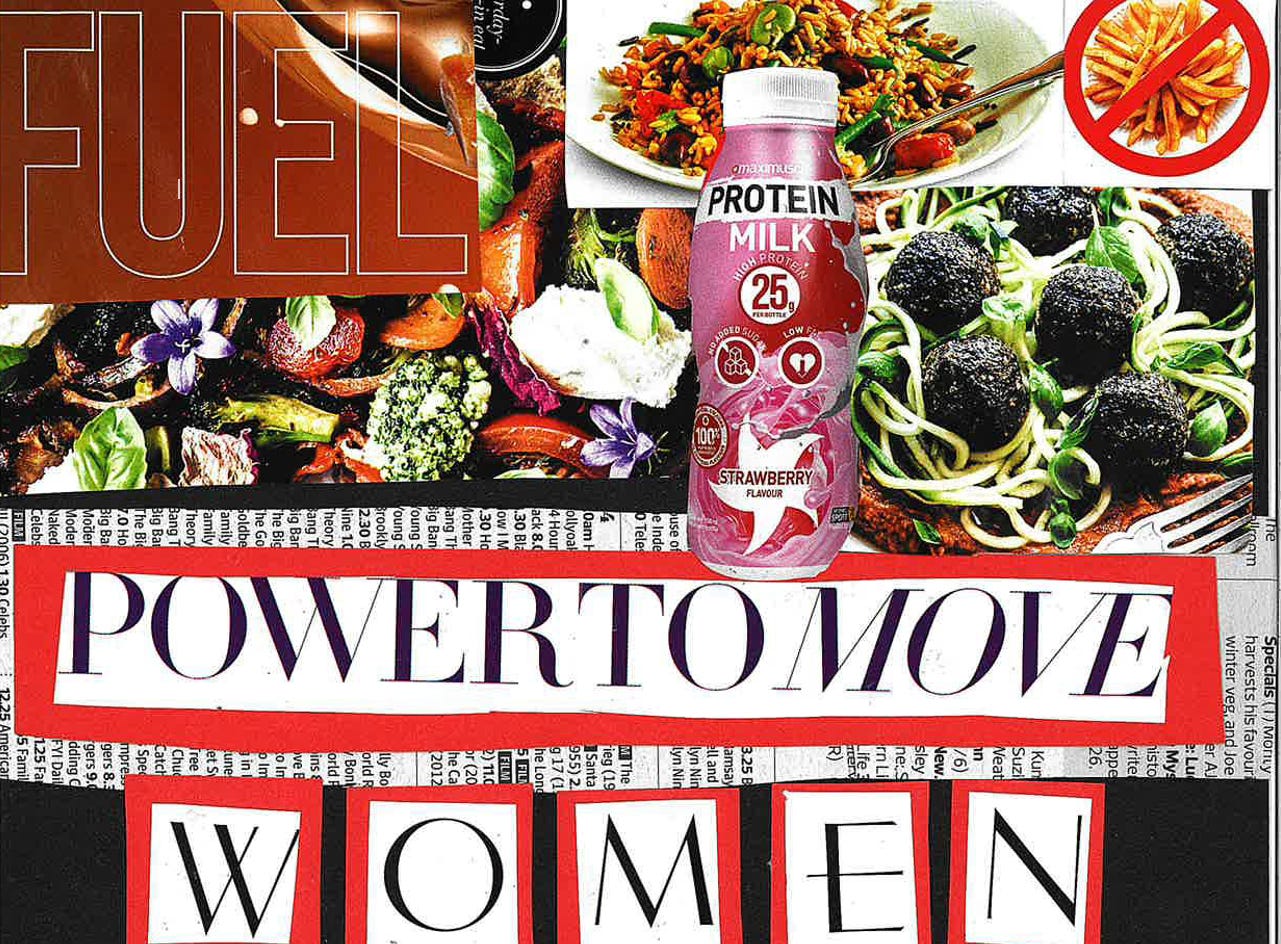
You walk into shops nowadays and can’t miss the shiny protein bars and powders that fill shelves. I think many younger generations feel more pressure to eat protein than they do to drink alcohol.
Since the pandemic, there has been a huge increase in healthy eating and exercise, not to mention the introduction of weight loss injections. More pubs and clubs are closing down, and the younger generation are getting more slack than ever for not going out. But how much of all these diets that we see influencers promoting all over social media, can we really trust?
The science is correct, yes, protein increases muscle mass and is vital for recovery when lifting weights. But how surprised would you be to find out that a lot of this research is tested on men? The 1.5g-2g of protein per kg of bodyweight is only studied on men who exercise and lift weights. Nicola Cunningham, a food nutritionist looks more closely into how food and nutrition affect the female bodies and the essential food groups required when women train, and some may surprise you!
All of us women know the cravings you get for sugar the week before your period, when you’re searching through your cupboard and regretting your ‘healthy food shop’ because there is now no chocolate in the house and you need a sweet treat.
Nicola explains, “this is when your progesterone is rising, so it is important to eat fruit, vegetables and nuts.” In your diet it is key to have “complex carbs, simply because your body makes progesterone from carbohydrates.” This is why your body craves sweet things as it is trying to create more progesterone.
A good option Nicola suggests is dark chocolate as it doesn’t contain as much sugar but will take away that chocolate craving.
Women can struggle a lot more when exercising than men, due to their monthly hormonal cycle, which isn’t discussed about enough. Now I’m not saying men don’t have hormonal cycles, obviously they do, but these cycles are daily, whereas women have monthly cycles. Very different. Women may beat themselves up about not getting a PB or not being able to lift as heavy weight in the gym as they could the week before. Nicola explains the best times in your cycle to attempt these PB’s, that you can show off on your strava.
Women’s sports nutritionists say “altering your gym routine throughout the month is important.” Nicola says “The first part of your cycle, when oestrogen is rising, you have loads of energy. This is the best time to get those personal bests. If you are weightlifting, you can lift heavier during this time as well. The boost of energy is rising oestrogen ready to release an egg to possibly have a baby. The second half of your cycle, your body is in ‘go steady’ mode, it’s telling you to take it easy.”
Nicola, being an expert in this field, has really noticed the lack of research into this and women specific diets when it comes to exercise. Women don’t need to eat as much protein as men as they physically don’t have the same amount of muscle mass that men do. Unfortunately, that is just our genetics.
As Nicola kept informing me, life is about balance, an 80/20 diet if you will. 80% of foods your body will thank you for, and your gut will love you for, and 20% of foods your eyes can’t resist. Life is too short to not enjoy your favourite foods, but you want to be fit and well enough to be able to enjoy these foods, and for a long time.
Fats are a food group that people often fear but they are really essential for muscle health, the health of your tendons, ligaments and your brain. I’m talking about healthy fats unfortunately, not chocolate and crisps. Fats such as nuts, seeds, avocado, olive oil, that sort of thing. Obviously, too much of anything is never healthy, but fats and protein will help you stay fuller for longer.
“Your body also needs fibre as it feeds your microbiome”. I’m sure you have all seen as many times as I have on social media, the importance of gut health. There are easy daily swaps that Nicola recommended. This includes swapping your carbs for whole grains. Things like bread and pasta, rather than getting white, get wholemeal instead! This follows closely behind the protein craze in supermarkets, with labelling ‘good for your gut’ on products.
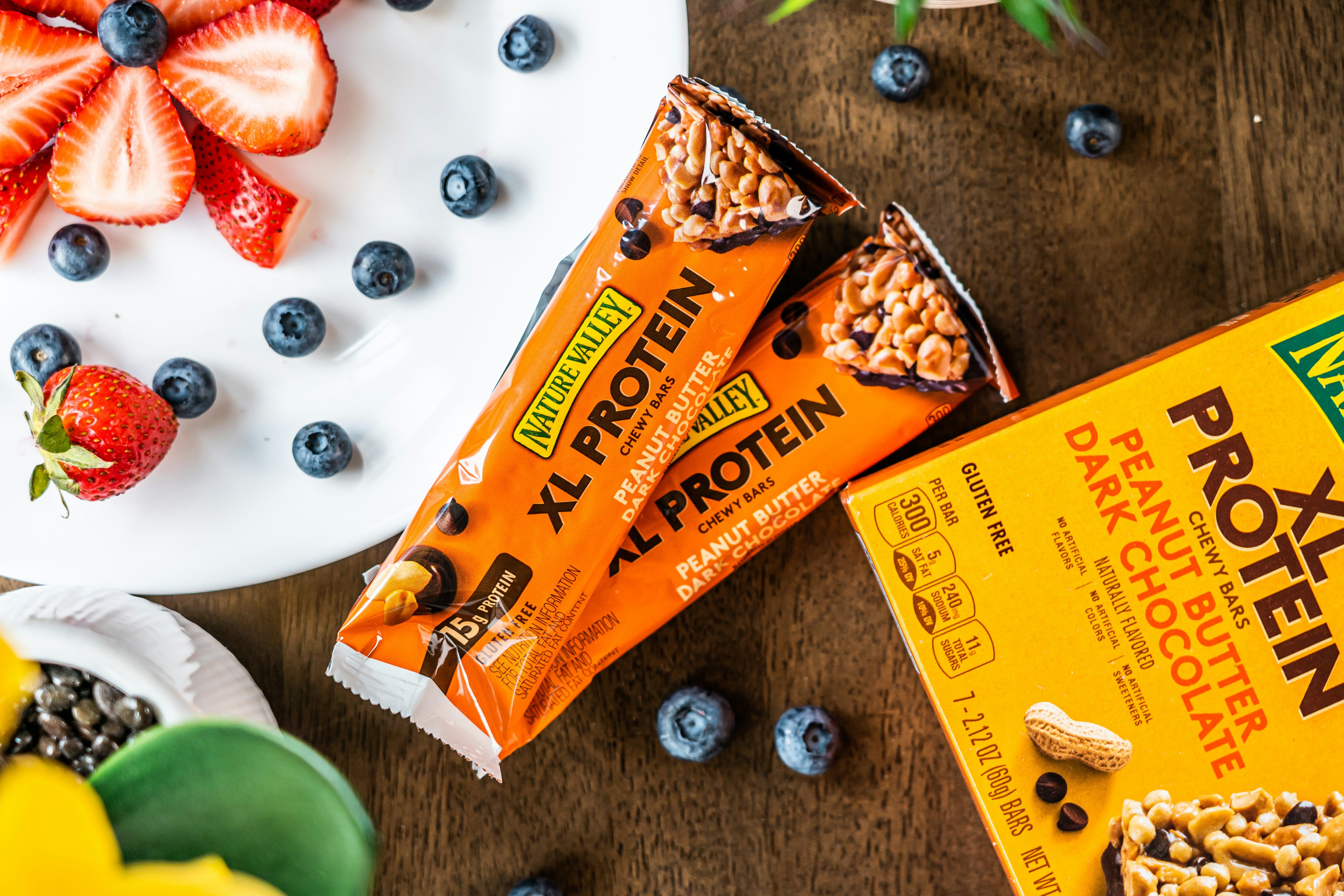
Better protein products to eat instead of protein bars and powders include - eggs, meat, greek yoghurt, fish, beans - such as chickpeas and lentils are a much better idea. Nicola interestingly informed me, “You can actually have too much protein which can have a knock on effect on your kidneys. A gram per kilo of protein for women is enough for most people unless you are really lifting heavy weights.”
@milliethenutritionist a student studying nutrition at Oxford Brookes university looked into why protein has become a big topic in the media. Millie says this is because of “heightened awareness of health benefits as well as people being unsure if they eat enough in their diet.”
Interestingly, Nicola taught me about a key phrase to look for in ultra processed foods is “words ending in OSE” . These contain lots of types of sugars. Also, long ingredient lists with words you don’t recognise are best to avoid.
The media is beginning to take more awareness of women’s health and adaptations in diets in recent years. Don’t forget your 80/20 diet. You are still allowed to enjoy your favourite foods… in moderation.