


The GOAT (Greatest of All Time) debate is often thrown around within the Formula One community, and it’s usually one that allows emotion to prevail over statistics. Unlike most sports, motorsport will always have a plethora of variables that makes comparisons increasingly difficult, especially over vast time periods.
In light of this, I have decided to zoom in on a crucial quality that all greats should possess; the ability to dominate. I have hand-picked and analysed the most dominant seasons by drivers across the 75-year history of the sport.
Jim Clark, 1963
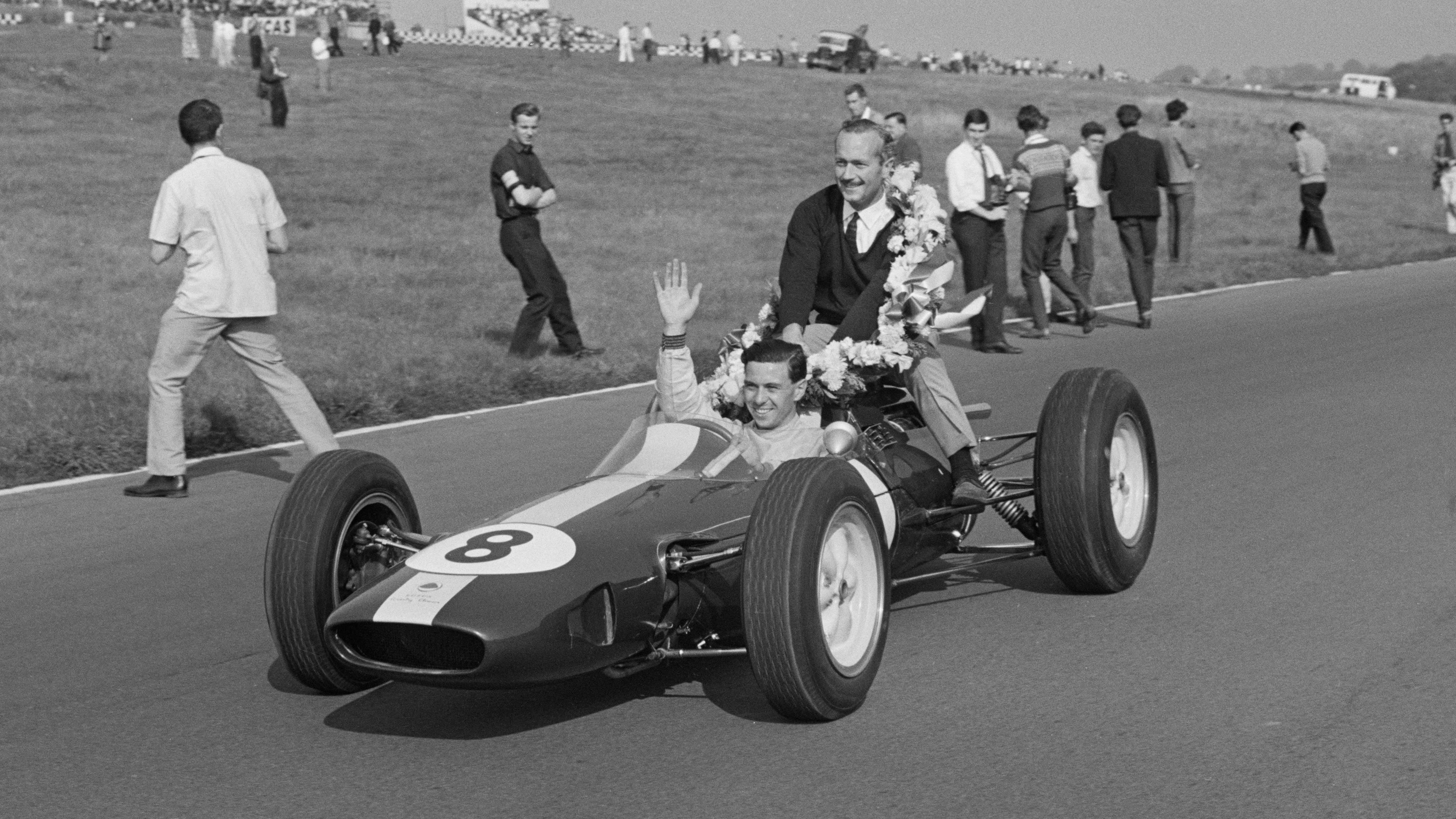
Widely regarded as one of the most naturally talented drivers of all time, Clark started his career aged 18, competing in regional rallies near his home in Fife. He began racing for Colin Champman’s Lotus team during 1960, quickly becoming the face of the outfit.
Clark’s 1963 season is impossible to ignore when looking at the most dominant seasons in the sport. He found himself on the podium nine times during the ten-race calendar, seven of which being Grand Prix victories.
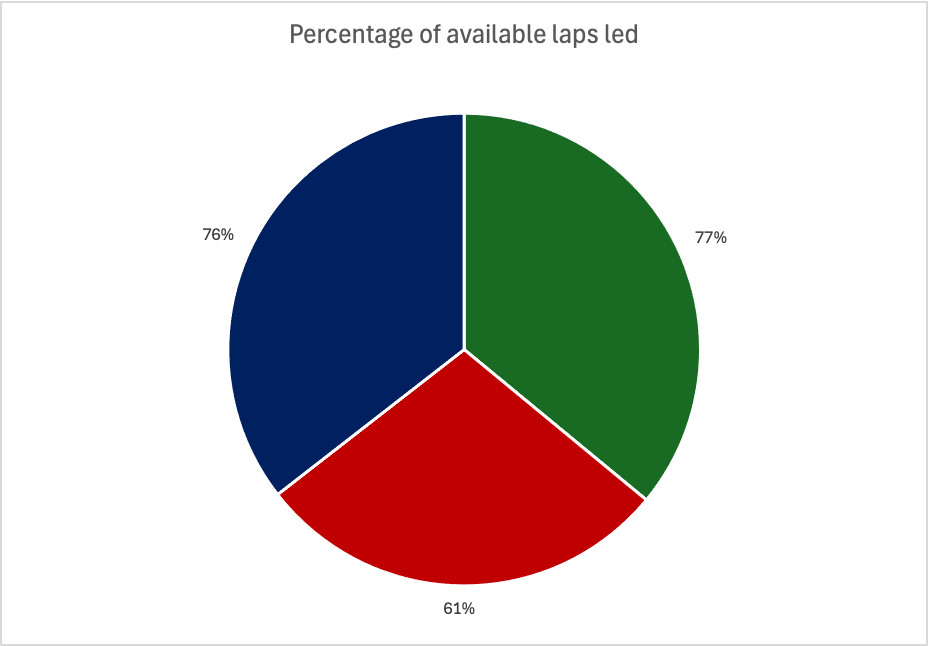
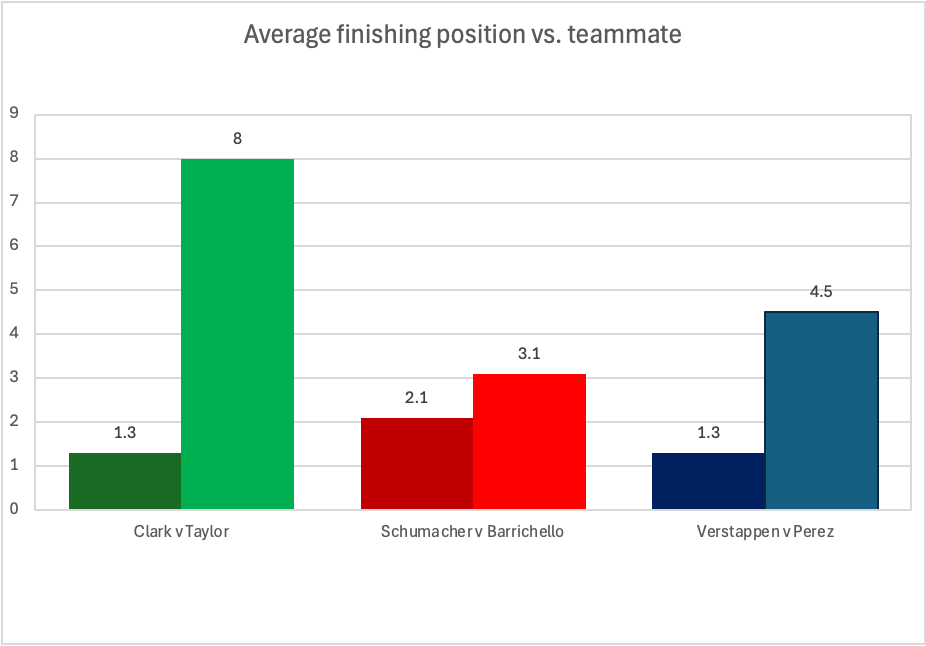
He averaged a finishing position of 1.3, an enormous difference to that of his teammate Trevor Taylor who only managed four finishes that season, averaging eighth position. Clark ensured that the 1963 was his, leading 77% of all laps and averaging a winning gap of 107.9 seconds to the nearest driver.
With the old points scoring scheme – as well as the ‘drop score’ system, which saw drivers lose their two worst rounds from their total points tally at the end of the year – Clark also scored a maximum points tally of 54.
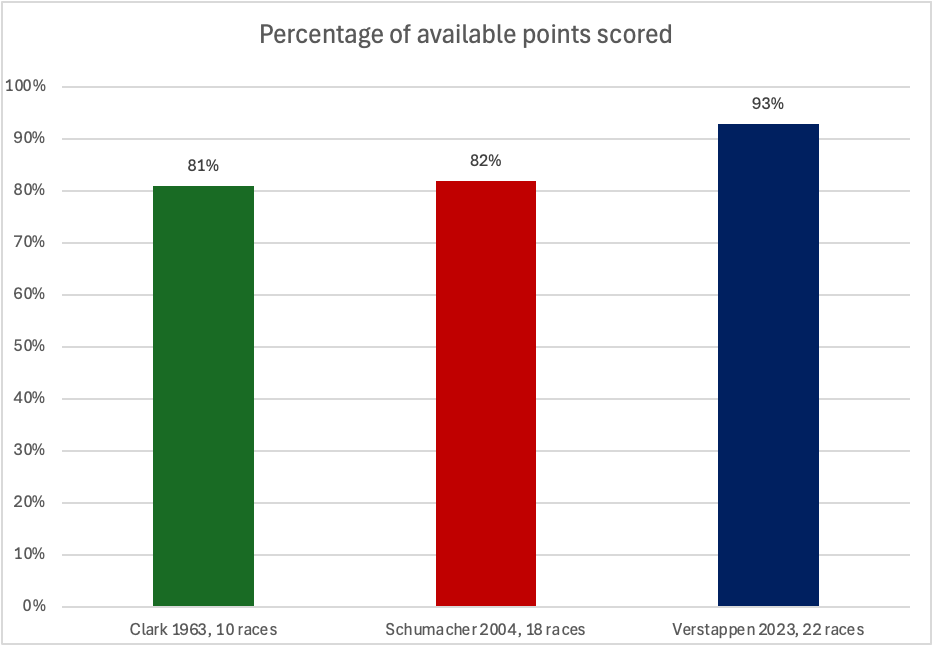
Of course, Formula One is a vastly different sport nowadays compared to 1963. There are more races per season, more points awarded, the cars are more reliable, the budgets are higher; the list is endless. That’s why the main figure I’m going to focus on – the overarching point – will be the percentage of possible points score per season.
To ensure the validity of the comparison, the percentage of possible points scored will be taken disregarding the ‘drop score’ system of 1963. Therefore, Clark scored 73 out of 90, meaning that he took 81% of possible points that season.
Clark was the first of his kind, and he showcased that natural talent globally during that ’63 season. Alongside the Formula One World Championship, he also won the British Touring Car Championship, the Tasman Series, took the lap record and a podium at the Indy 500, as well as winning multiple stand-alone events featuring F1 cars and drivers.
Schumacher, 2004
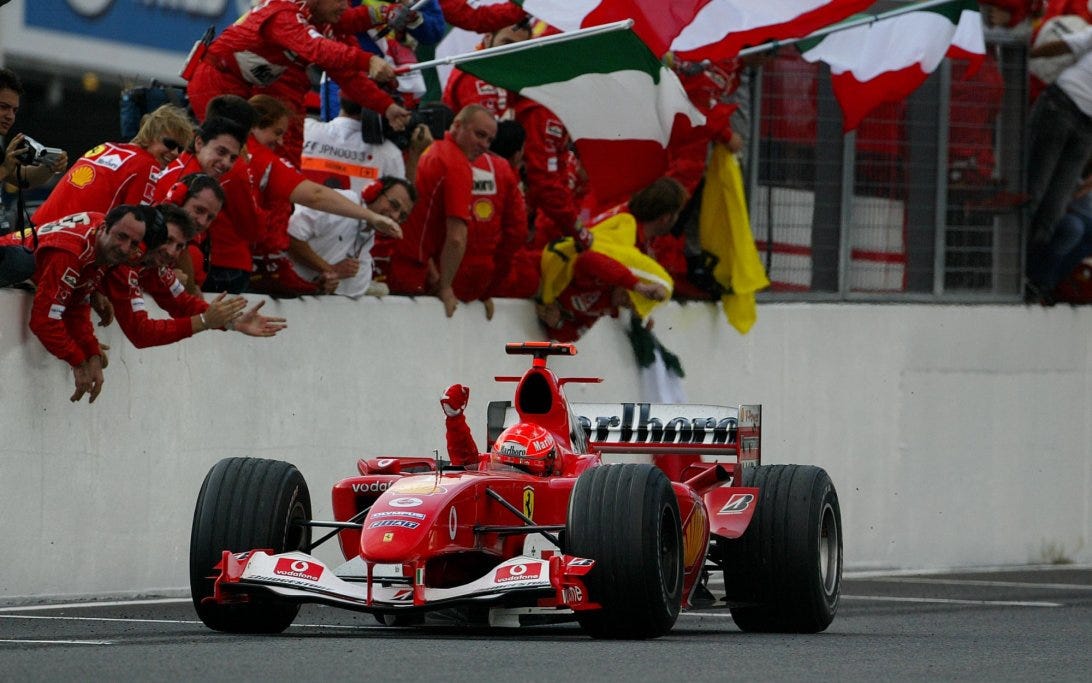
I couldn’t write an article about Formula One dominance without mentioning Michael Schumacher, could I? He has been long regarded as one of the best to ever do it, winning seven World Championships and 91 races. He was the pioneer of the sport as it moved into the beginnings of the modern era, with his staple season being 2004.
2004 was Schumacher’s final championship year, and his fifth consecutively with Ferrari. A driver’s car is a significant influence towards their overall dominance, and there is no doubt that the Ferrari was the best car in 2004. However, teammate Rubens Barrichello only managed an average finishing position of 3.1 in comparison to Micheal’s 2.1.
This was one of most dominant seasons of the modern era of Formula One. Reliability was improving year on year, proving crucial to a successful championship campaign. However the metronomic consistency of Schumacher outshone what the car was capable of. He took 12 pole positions (67%) and 13 wins (72%) across the 18 rounds.
Interestingly, Schumacher only lead 61% of laps in 2004. This can be attributed to refuelling regulations, allowing teams to differ from each other’s pit stop strategies, meaning that cars would swap position during the middle portions of races more frequently.
Michael Schumacer swept the 2004 World Championship and claimed 82% of points available to him that season. This was his seventh and final title, and by far and away his most dominant.
Verstappen, 2023
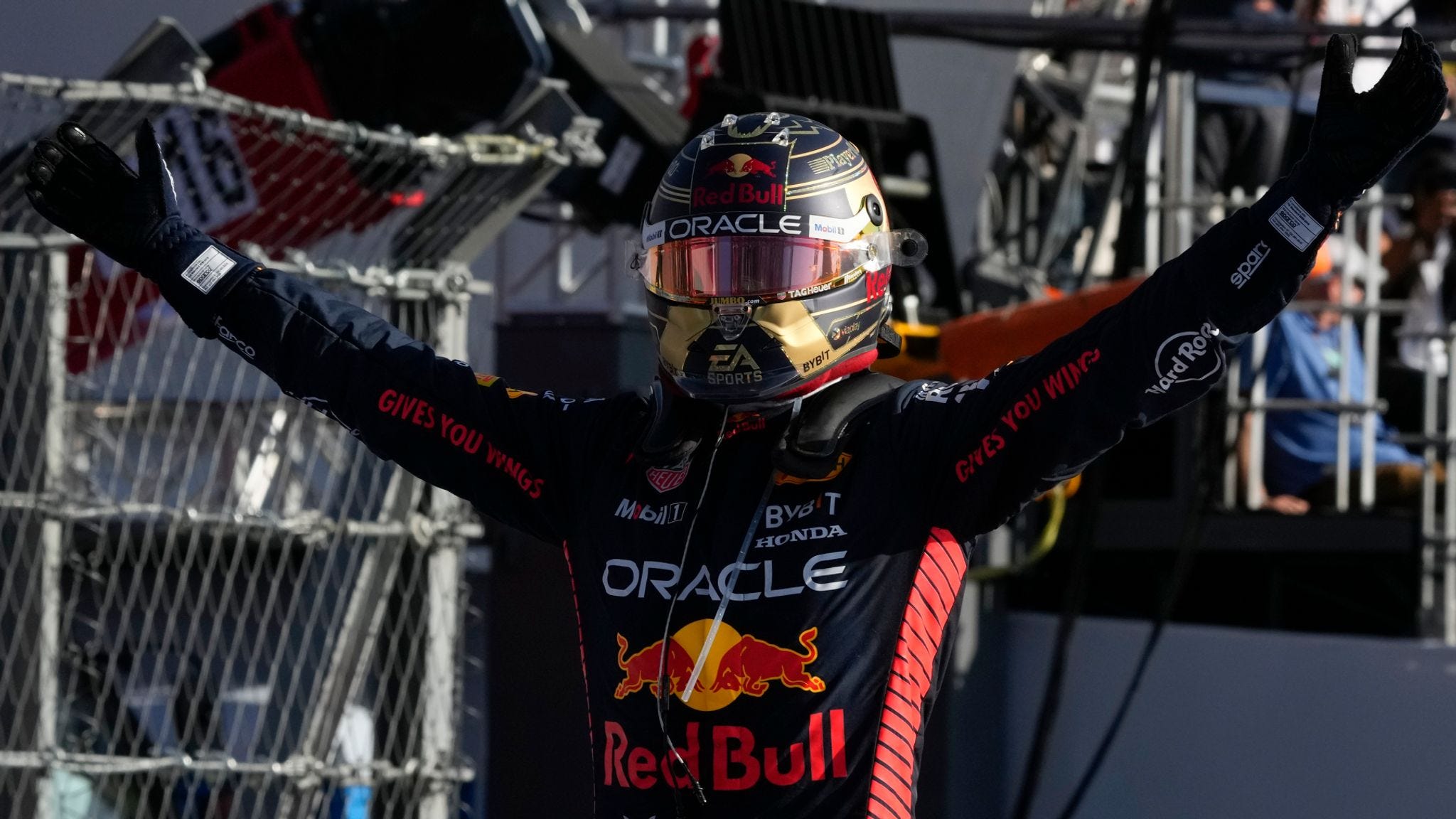
Max Verstappen burst onto the F1 grid aged 17, instantly becoming the youngest driver to start a Grand Prix. He was instantly recognised as a generational talent as he began to set records tumbling; youngest point scorer, youngest podium sitter, youngest race winner and most overtakes in a single season, all within his first two campaigns.
Verstappen was a two-time World Champion with Red Bull Racing going into the 2023 season. He had come off the back of an incredible 2022, winning 15 rounds and clearing the rest of the grid by 146 points, a record-breaking points deficit.
However, 2023 would see him raise the bar even higher. Across the 22 rounds (23 scheduled, Imola being cancelled due to intense floods in Italy) he amassed 575 points, obliterating his freshly set record 12 months prior. His teammate Sergio Perez, who averaged 4.5 position in the races, finished second in the standings with less than half of Verstappen’s points total.
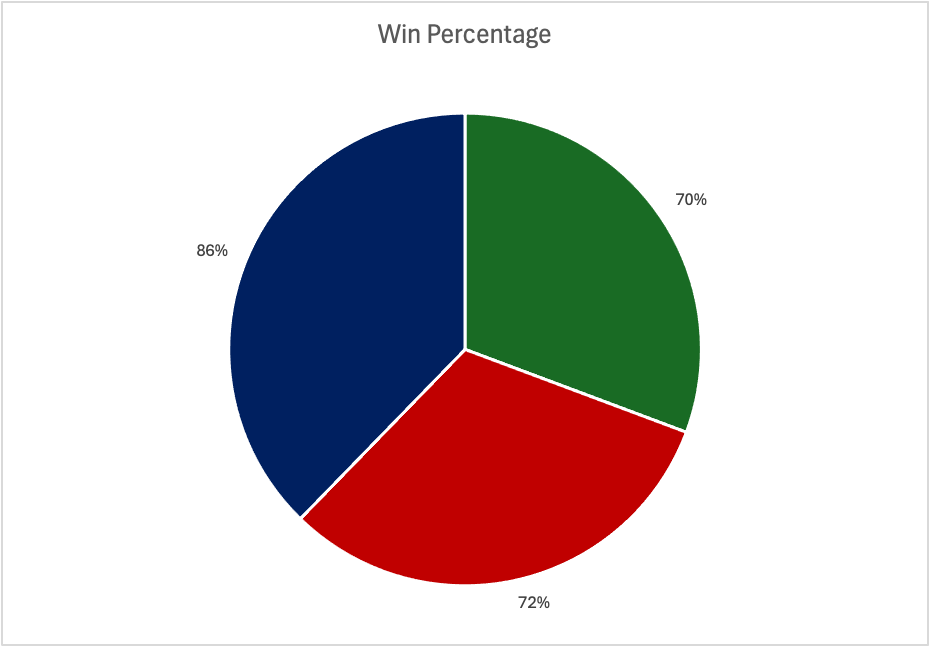
The headlines didn’t stop there. Verstappen scored 19 wins (record) and finished on the podium 21 times (record). He averaged an 11.7 second gap to the closest driver when he won and lead 1,003 laps across the span of the season, which equates to 76%.
He took 95% of points available to him in 2023, partly contributed to the fact that he missed out on the podium only once across the 22-race season. Verstappen showcased ultimate pace and consistency throughout this campaign by displaying the best success rate for any driver across the sports’ entire history.
Decision Time
These three drivers were at the pinnacle of their cohort during their respective eras. Clark was the king of analogue motor racing, in a time where Formula One was unforgiving. Schumacher was the first of the modern age drivers to wipe the floor with his rivals, displaying the perfect driver and team chemistry.
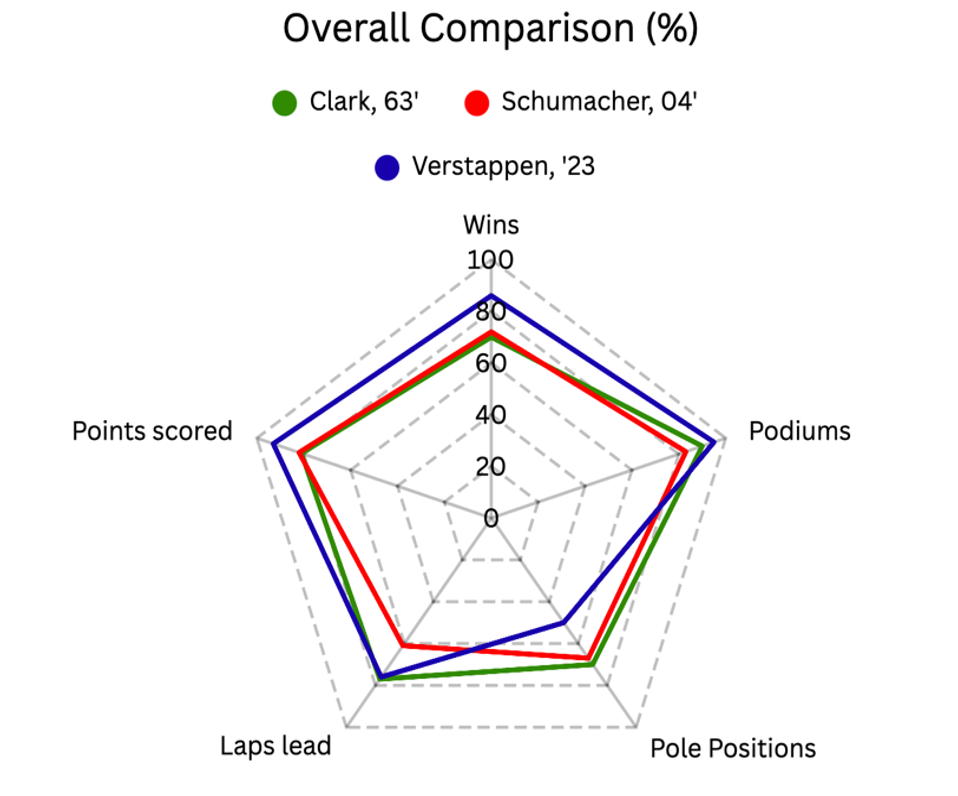
However, the achievements of Max Verstappen in 2023 cannot be overlooked. Finishing on the podium all races bar one during seasons of 22+ races is obscene, and it wouldn’t surprise me if we don’t see dominance alike for a very long time.